
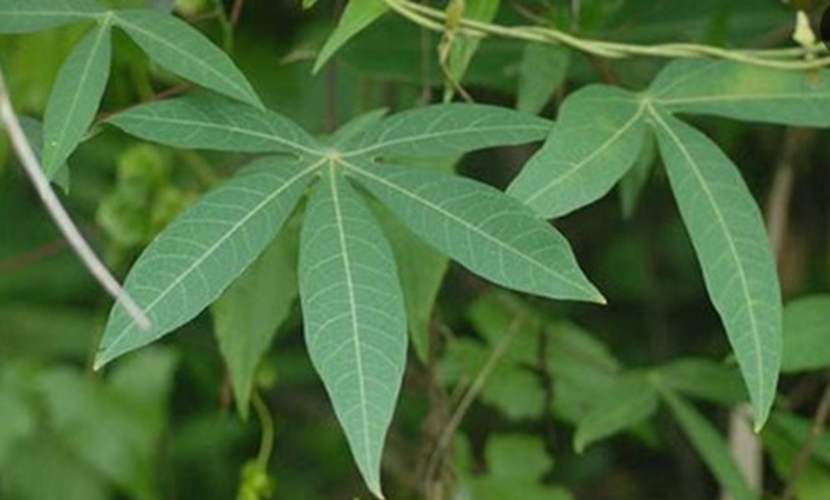
Vietnam has about 530,000 hectares of cassava cultivation each year. Accordingly, the annual output reaches over 10 million tons of fresh cassava roots. However, in addition to the roots, Vietnamese cassava leaves make a significant contribution to the overall export value of cassava.
According to the General Department of Customs, cassava leaf exports in October 2023 brought in $61,000. In total, during the first 10 months of 2023, cassava leaf exports reached $776,000. This showed a decrease of 56.3% compared to the same period in 2022. In 2022, Vietnamese cassava leaves generated more than $1.8 million.
Exports of all types of leaves in the first 10 months of 2023 totaled over $5.7 million. They went down 24.4% from the same period in 2022. Vietnam’s exports of cassava and cassava-based products in the first 11 months of 2023 earned more than $1.16 billion. The export volume reached over 2.6 million tons. The average export price was $436 per ton, roughly equivalent to the price in 2022.
Vietnamese cassava leaves
Cassava has many uses in industrial processing, animal feed, and food production. The roots are the vital materials for producing animal feed and cassava starch. Cassava stems are raw material for propagation, mushroom cultivation, firewood, and cellulose industry.
Traditionally, cassava leaves have been used as feed in livestock and aquaculture, such as for raising fish and silkworms. Nowadays, Vietnamese cassava leaves are available to markets such as South Korea, Japan, and regions with large Asian populations. In addition to cassava leaves, other types of leaves such as bamboo leaves and banana leaves are also in demand in many countries.
Cassava leaves contain vitamins, proteins, minerals, and essential amino acids. The protein found in cassava leaves helps form body cells and build the enzyme system. Amino acids contribute to skin wound healing, enhance memory, and improve bone health and the body’s metabolism.
In addition to cultivating for its roots, cassava young shoots is also valuable. These shoots are materials to prepare a variety of flavorful and distinctive dishes that have become regional specialties.
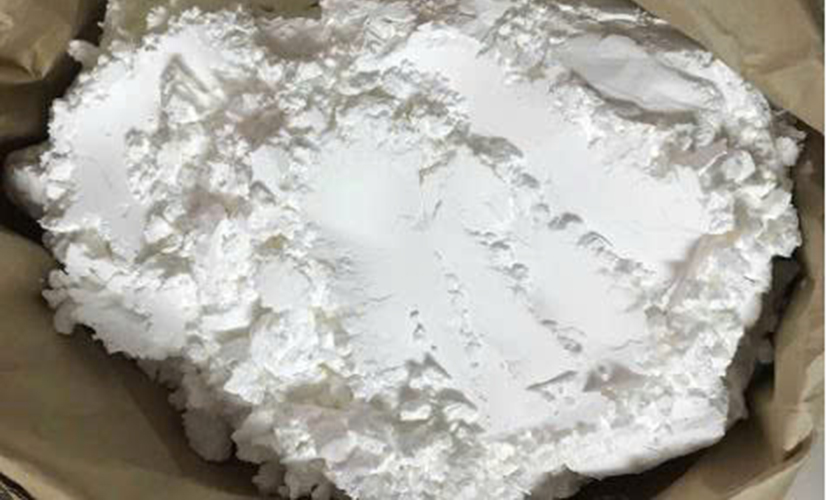
Vietnamese cassava starch
Vietnamese cassava leaves can be cooked in several ways, stir-fried with pork cracklings, pickled, or cooked with wild meats such as squirrel or deer. However, the simplest and most common dish is stir-fry cassava leaves. The leaves can also be boiled until tender, squeezed dry, and eaten with sesame salt as a daily meal, or fermented cassava leaves can be braised with carp or grass carp.
Nutrition experts advise that cassava leaves should never be eaten raw. After being picked and washed, the leaves should be thoroughly kneaded with a little salt and then fermented in a jar. Even when pickled, they must be cooked carefully at high temperatures before eating.
Vietnamese source: https://cafef.vn/mot-loai-la-moc-day-tai-viet-nam-ra-nuoc-ngoai-thanh-hang-hiem-nhat-ban-han-quoc-lien-tuc-do-tien-mua-thu-ve-hang-trieu-usd-moi-nam-188240107073441886.chn
If you are interested in Vietnamese cassava leaves, please contact us:
Company: Agrideco Vietnam Co., Ltd.
Address: No 02, Alley 325 Kim Nguu, Vinh Tuy Ward, Hanoi, Vietnam
Tel/Kakao Talk/Whatsapp: +84 989 649 804
Website: https://agridecovietnam.com
Email: agridecovietnam@gmail.com