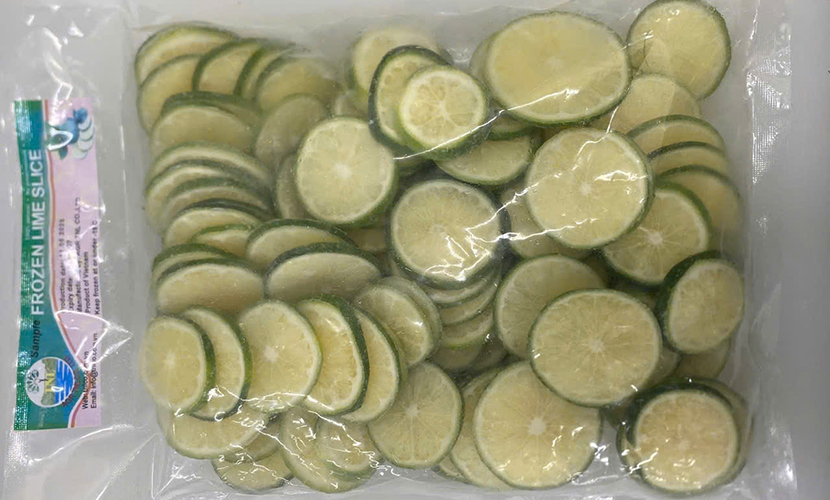
Digital trade promotion is becoming a new driving force that helps Vietnamese agricultural product and food reach international markets. By utilizing B2B e-commerce platforms and blockchain for traceability, Vietnam is gradually shifting from traditional sales methods to tech-driven sales. As a result, businesses are embracing new technologies to improve efficiency and transparency in their operations
Digital trade promotion is not only helping Vietnamese agricultural businesses save on marketing costs. Moreover, it is expanding international collaboration opportunities in a transparent, rapid, and efficient manner.
This shift enables Vietnam’s agricultural products and food to establish a strong foothold in the domestic market. At the same time, it allows them to expand globally with a professional, transparent, and sustainable image.
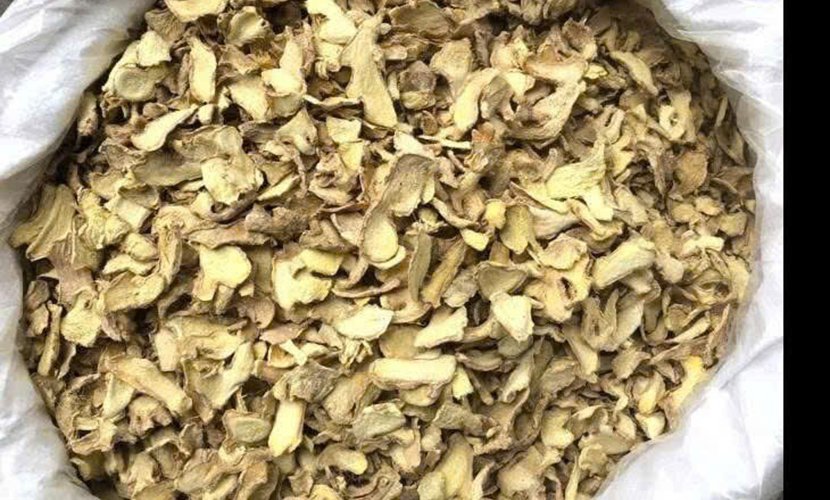
Vietnamese agricultural product: dried ginger slices
Mr. Phan Thi Thang is the Deputy Minister of Industry and Trade. According to him, Vietnamese agricultural product plays a vital role as a bridge between agriculture and the processing industry. Also, it contributes to added value, boosts agricultural consumption, and improves farmers’ incomes.
In the context of deep integration, improving competitiveness and fostering sustainable development is an urgent task. Additionally, building strong brands for Vietnamese agri-products is equally important. Particularly, digital trade promotion is opening up a global connection space, enabling Vietnamese businesses to directly access international partners. It also helps shorten transaction times, optimize costs, and measure results transparently.
“Enhancing digital trade promotion, especially on B2B e-commerce platforms, has opened unprecedented opportunities for Vietnamese agriculture enterprises. It allows them to promote and assert the quality, credibility, and added value of Vietnamese food products. This direction aligns with global trends while concretizing the spirit of Resolution No. 57-NQ/TW on breakthroughs in science and technology, innovation, and national digital transformation,” Mr. Thang emphasized.
Mr. Nguyen Thanh Duong is the Deputy Director of the Capacity Development Division, from Ministry of Industry and Trade. He stated that Vietnam is currently in the top 10 food exporting suppliers globally. The food industry is expected to reach $79.2 billion in 2024, marking a 7.4% increase compared to 2023.
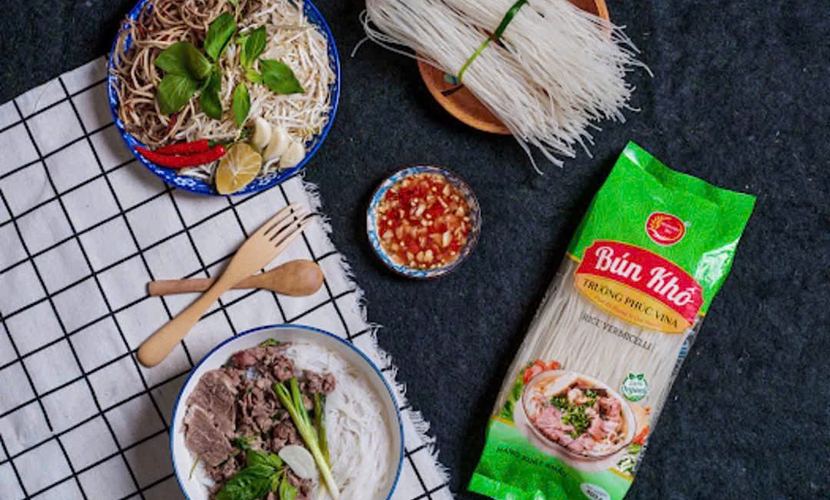
Vietnamese dried vermicelli
Vietnam has abundant raw materials and a favorable climate. Additionally, it benefits from competitive production costs and the advantages of free trade agreements, which facilitate easy access to international markets with preferential tariffs. However, Mr. Duong noted that to enter the market faster and more transparently, a complete digital trade promotion ecosystem is needed.
Currently, the Trade Promotion Agency is developing this ecosystem with key components. Specifically, they include digital fairs and exhibitions, an online business connection system, a database of Vietnam’s food industry, the Vietrade Edu online training platform, and the iTrace247 blockchain-based traceability system.
Alongside these, training programs on digital sales and marketing are helping Vietnamese export businesses master e-commerce tools and online marketing. Moreover, these programs also focus on data management, further enhancing business capabilities.