
In 2025, Vietnam fruit and vegetable exports to the European countries surpassed USD 477 million. Notably, this value tripled the level recorded in 2021 and set a new record. This result reflects the sector’s growing capacity to meet increasingly stringent standards.
During the 2021–2025 period, export turnover to this market increased by USD 322.7 million, equivalent to a 208% rise. The compound annual growth rate reached approximately 43% per year. In 2025 alone, export value rose by 52.75% compared to 2024. This indicates that the European continues to be a fast-growing and stable destination for Vietnamese fruit and vegetable exports.
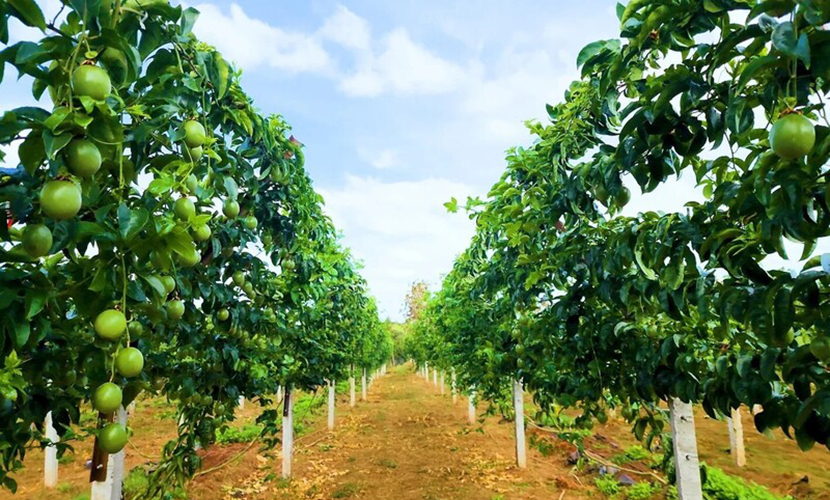
Notably, growth is no longer concentrated in just a few traditional products. Instead, it has become increasingly diversified. Among key product groups, passion fruit continues to lead, with export value rising from USD 41.6 million in 2021 to USD 112.8 million in 2025—an increase of 171%. However, its share of total export turnover declined slightly from 27% to 24%. This reflects the growing contribution of other product categories.
Vietnam fruit and vegetable exports
Pistachios emerged as a bright spot, with export value soaring from USD 5.3 million to USD 82.7 million over four years. Notably, this represents an increase of more than fifteenfold. Their share rose from 3.4% to 17.3%, making pistachios one of the Vietnam fruit and vegetable exports in the European market.
Vietnamese mangoes also recorded impressive growth, climbing from USD 23 million to USD 72.8 million—an increase of 216%. They maintained a stable share of around 15%. Coconuts and coconut-based products increased by 164% to 249%, depending on the product line. This reflects strong European demand for tropical goods.
Conversely, some products such as dragon fruit remained nearly flat in value compared to 2021. As a result, their share declined from 12.1% to 3.7%. Lemons and sweet corn increased in absolute export value. However, their overall market share narrowed.
Overall, Vietnam fruit and vegetable exports to the EU have not only grown in volume but have also shifted toward greater diversification. This gradual reduction in reliance on a few single products is an essential factor for sustainable growth.
Mr. Đặng Phúc Nguyên is the Secretary General of the Vietnam Fruit and Vegetable Association. He attributed the strong growth momentum to enterprises improving quality standards. He emphasized that businesses have become more capable of meeting the EU’s strict requirements on food safety, traceability, and sustainability.
At the same time, rising demand for tropical fruits in the EU has further boosted import turnover from Vietnam. This demand is driven by consumers who increasingly prioritize health-beneficial products.
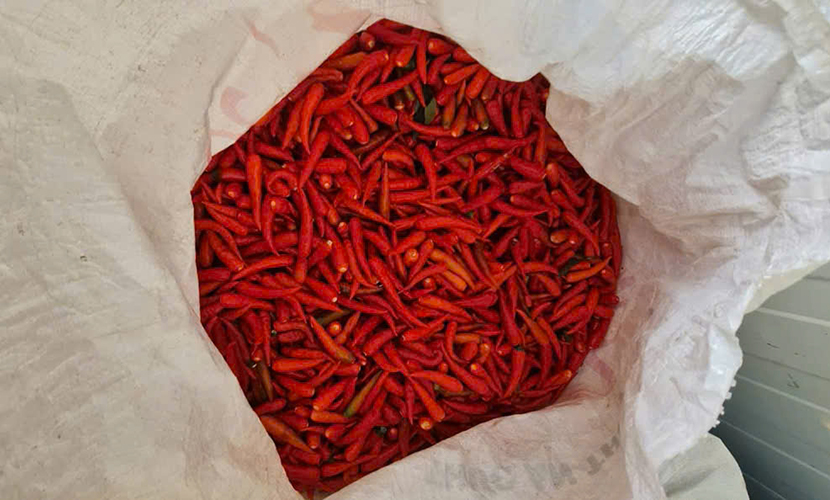
Vietnamese frozen chili
A notable structural shift is the increasing share of Vietnamese processed products. Currently, about two-thirds of Vietnam fruit and vegetable exports to the EU and Japan consist of frozen, dried, juiced, or otherwise processed goods. In the past, exports were mainly fresh products. This direction helps extend shelf life, reduce technical barrier risks, and optimize logistics costs.
Data show that in 2025, Vietnam’s processed fruit and vegetable exports reached over USD 2.06 billion—up 42.1% compared to 2024. This raised the segment’s share to 24% of the total sector, compared to 20% the previous year. Of this amount, pistachios generated USD 446 million, up more than 72%, while processed almonds reached USD 215 million, up over 62%.
Vietnamese fruit exporters note that 2025 stood out for both consolidating traditional markets and penetrating high-end markets. The EU is a clear example of this trend. Importantly, EU consumer behavior is shifting strongly toward convenient products suitable for online shopping. As consumers increasingly favor ready-to-eat and time-saving foods, Vietnam’s processed fruit and vegetable products enjoy a distinct advantage over fresh produce.
Alongside product restructuring, compliance capacity with SPS (Sanitary and Phytosanitary) standards has improved markedly. In 2025, EU alerts concerning Vietnamese agricultural and food products fell from 114 to 60. This represents a 48% reduction and sends a positive signal in a market known for strict maximum residue limits (MRLs), traceability requirements, and additive controls.
Dr. Ngô Xuân Nam is the Deputy Director of the Vietnam SPS Office. He stated that this result reflects a shift in approach. Enterprises and localities are now proactively ensuring compliance from the production stage rather than reacting only after receiving warnings.
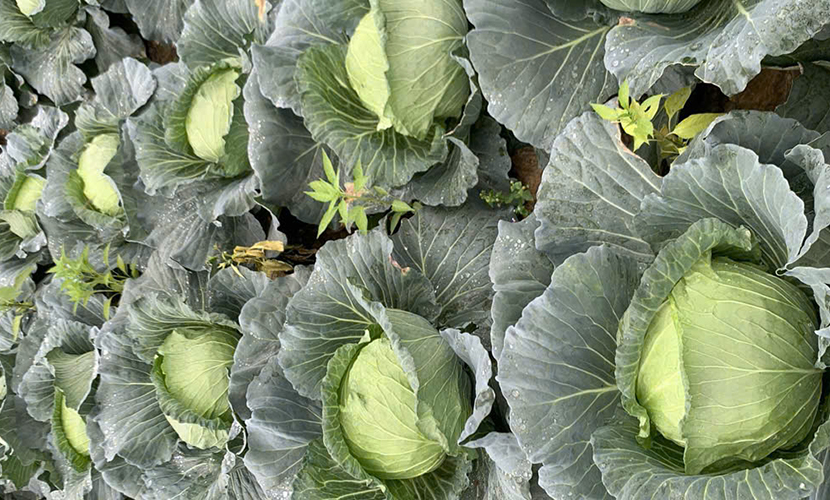
Vietnamese cabbage exports
In practice, the EU continuously updates its technical regulations. Even slight delays in adjusting production processes can create immediate risks of non-compliance. Therefore, establishing early warning systems is essential. Compiling market-specific guidance handbooks and organizing regulatory update conferences are also crucial steps to mitigate risks.
With export turnover nearing USD 480 million in 2025, the European Union remains one of the fastest-growing markets for Vietnamese fruits and vegetables. However, it is also a highly competitive arena. Major exporting countries such as Thailand, Peru, Ecuador, and the Philippines are steadily increasing their presence.
To sustain growth momentum, experts emphasize the need to reorganize raw material zones toward sustainability. They also highlight the importance of strengthening value chain linkages, attracting deeper investment in processing, and building strong brands in destination markets.
In 2025, the fruit and vegetable sector achieved a “double record,” with total export turnover of USD 8.56 billion. Processed exports surpassed USD two billion for the first time. The USD 10 billion target for this year is considered attainable. This will depend on whether growth trends in the EU and other high-end markets continue.
Built on improved quality, product diversification, and stronger compliance capabilities, Vietnam fruit and vegetable exports to the EU are demonstrating a structural shift. The sector is moving from volume-driven growth toward value- and sustainability-oriented development. This transformation is creating new space for Vietnam to climb further up the global supply chain.