
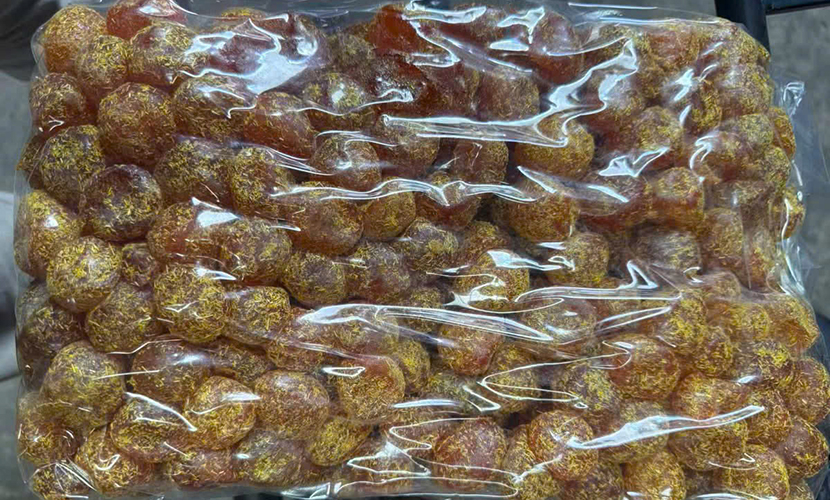
The growing trend toward healthy consumption is opening up a golden opportunity for Vietnamese processed fruits and vegetables. From dried mango slices and crispy dragon fruit to fragrant dried longan, Vietnamese agricultural products are establishing a new position on store shelves worldwide. As a result, they are helping to elevate the value of the nation’s agriculture.
In the past most of Vietnam’s fruit and vegetable exports were fresh products. Therefore, they were heavily dependent on seasonality and the Chinese market. However, the picture has now changed.
Vietnamese processed fruits and vegetables
In the first nine months of 2025, the export value of Vietnamese processed fruits and vegetables exceeded $6.1 billion. It was up 8.3% in comparison to the same period in 2024. Notably, while fresh produce exports slowed, processed fruits and vegetables recorded an impressive growth of 37%. As a result, the export value in this segment reached more than $1.2 billion.
The latest survey by Amazon’s e-commerce platform in the United States shows that 74% of Americans snack every day. In addition, 56% regularly replace main meals with snacks. Notably, 47% of consumers choose fruit and 38% choose vegetables. This indicates a strong rise in demand for “green” foods that are low in sugar and free from preservatives.
Seizing this trend, many Vietnamese fruit enterprises have proactively shifted their production strategies. They are bringing naturally dried fruit products onto global e-commerce platforms.
Between 2021 and 2024 alone, sales of Vietnamese fruit snack products on Amazon increased by more than 550%. Meanwhile, dried fruit products grew by over 250%.
Mr. Hoàng Mạnh Cường is the Director of a Vietnamese fruit company in Dong Thap province. He shared: “International customers, especially Americans, are willing to pay a premium for products that meet natural dried fruit standards, with no added sugar and no preservatives. This forces businesses to carefully select raw materials and invest in modern technology, so as to preserve the fruit’s natural flavor.”
According to a report, the global dried fruit and vegetable market is likely to grow from $88.2 billion in 2025 to $192.2 billion by 2035. This corresponds to an average annual growth rate of 8.1%. This is a positive signal for Vietnamese processed fruits and vegetables to penetrate deeper into the global market.
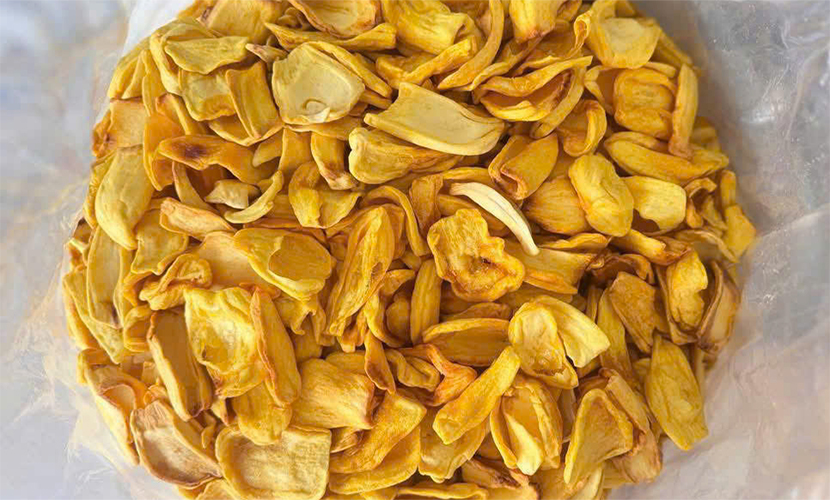
Vietnamese dried jackfruit
Mr. Nguyễn Văn Mười is the Deputy Secretary General of Vinafruit. He commented: “The strong growth of Vietnamese processed fruits and vegetables is an important step forward. It helps Vietnam’s agricultural products increase their value and reduce dependence on weather conditions and traditional markets.”
However, he also noted that some businesses are facing difficulties due to a 20% retaliatory tariff imposed in the U.S. market. This tariff has narrowed profit margins. Therefore, the business community hopes that the Government will continue negotiations to ease tariff barriers, while also supporting trade promotion to expand export markets.
A representative of Amazon recommended that Vietnamese export enterprises pay close attention to product strategies tailored to local consumer habits. In the U.S., consumers favor small, convenient packaging with clearly labeled nutritional information and quality certifications. “A good product alone is not enough. Also, packaging and brand storytelling are equally important,” the representative emphasized.
Many domestic companies are also exploring “on-the-spot exports” through the tourism market. Mr. Võ Thanh Lộc is the Commercial Director of the Farmers Market retail chain. He said that the company is developing freeze-dried fruit products, as well as dried mango sticky rice and dried durian sticky rice.
According to Mr. Lộc, “A pack of dried fruit is not just a snack. It is also a way for tourists to take home a piece of Vietnam’s flavor.”
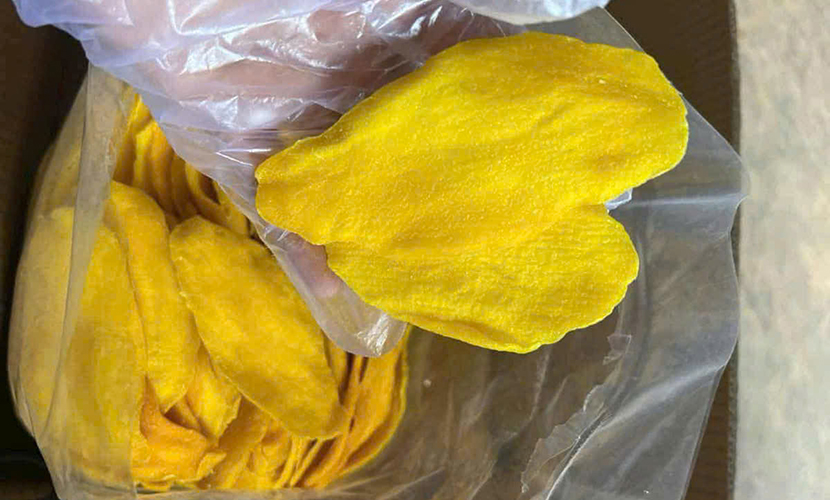
Dried mango from Vietnam
However, Mr. Lộc also noted that the segment of natural products with no artificial coloring and no preservatives comes at a higher cost. This has limited its consumer base. Even so, this remains a sustainable path that creates long-term value for Vietnamese agricultural products.
When processing companies require standardized raw materials, farmers should change their cultivation practices. They must adopt clean production processes and implement traceability systems, thereby forming a closed agricultural value chain and improving profitability.
Amid this positive outlook, China remains a key pillar market. According to the General Department of Customs, in September 2025 alone, fruit and vegetable export turnover reached $1.313 billion. This was the highest level ever recorded.
Overall, in the first nine months of 2025, total exports of the sector amounted to $6.131 billion. Of this total, China accounted for 63%, or $3.857 billion, up 1.8% compared to the same period in 2024, mainly driven by durian exports.
The fact that durian has received the approval from China for official import channels highlights significant potential. In addition, its expansion into deeply processed products such as dried durian, durian juice, and durian jam further reinforces this outlook. This is especially the case if Vietnam continues to promote technological innovation and brand building.
Vietnamese source: https://thuehaiquan.tapchikinhtetaichinh.vn/rau-qua-che-bien-viet-but-pha-tren-thi-truong-toan-cau-93883.html