
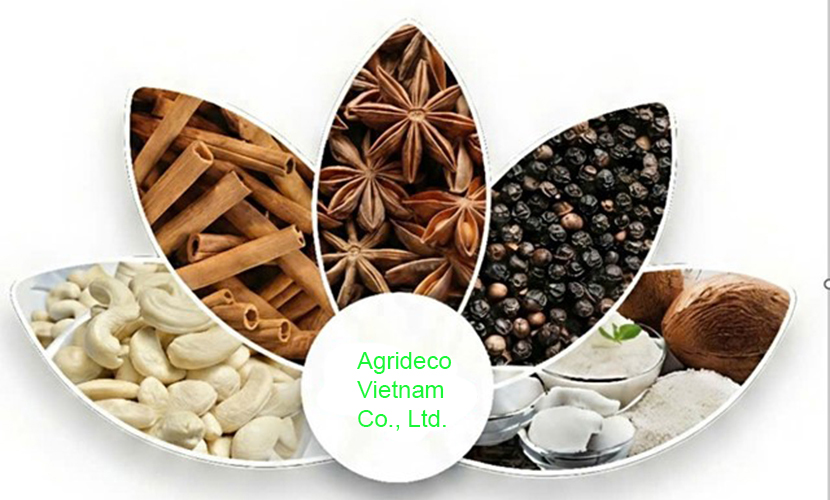
Building on a foundation of traditional raw material regions, many Vietnamese spice enterprises are accelerating investment in technology and standardizing production processes. At the same time, they are actively expanding export markets to enhance their global reach. As a result, they are gradually enhancing the position of Vietnam’s spice industry on the global trade map.
According to the Vietnam Pepper and Spice Association (VPSA), Vietnamese spice companies are no longer relying primarily on output advantages. Instead, they are shifting toward competition based on quality standards, technological application, and supply chain control. This strategic transition is decisive for maintaining and expanding market share. It comes as technical barriers in global markets continue to tighten.
Vietnamese spice enterprises
Alongside technological standardization is a strategy of value addition and sustainable development. As global consumers increasingly prioritize origin transparency and environmental responsibility, Vietnamese spice enterprises are undergoing a strategic transformation. They are shifting from “selling raw materials” to “selling value” in order to enhance competitiveness and sustainability.
Product portfolios are becoming more diversified. They now range from black and white pepper, cassia cinnamon, and star anise to cashew nuts, desiccated coconut, turmeric, and various processed products. Many Vietnam’s spice companies are expanding private label, OEM, and ODM production. This allows customization of specifications, packaging, and technical standards to meet international clients’ requirements.
Amid ongoing volatility in global agricultural trade, many Vietnamese spice enterprises have maintained stable growth in both volume and revenue. This reflects the sector’s adaptability and internal resilience. From the basalt soils of Dak Lak to northern industrial zones, a modern, transparent, and sustainable production–processing–export ecosystem is taking shape.
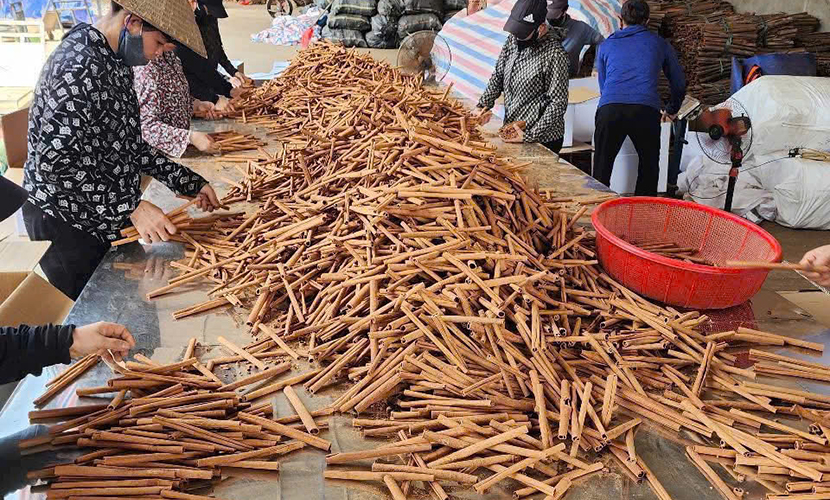
Vietnamese cinnamon factory
The Vietnam International Pepper and Spice Outlook 2026 (VIPO 2026), organized by the Vietnam Pepper and Spice Association, will take place from March 3–5, 2026 in Da Nang. The Ministry of Agriculture and Environment and the Ministry of Industry and Trade sponsored the event.
It is one of the most important annual forums of Vietnam’s pepper and spice industry. It is expected to attract around 300 delegates from more than 30 countries and territories. These participants include industry associations, experts, import-export enterprises, and international buyers.
Under the theme “Pepper in the Era of Global Trade Reshaping,” VIPO 2026 will analyze market contexts, consumption trends, and technical requirements in key markets. At the same time, it will promote sustainable production, strengthen traceability, and accelerate digital transformation across the value chain.
In addition to in-depth discussion sessions, the program will feature exhibitions and business matching activities. It will also include a gala celebrating the 25th anniversary of VPSA, visits to Hoi An, and field trips to raw material regions.
Vietnamese source: https://vinanet.vn/Xuc-tien-kinh-doanh/doanh-nghiep-gia-vi-viet-nam-tang-toc-chinh-phuc-thi-truong-toan-cau-805728.html