
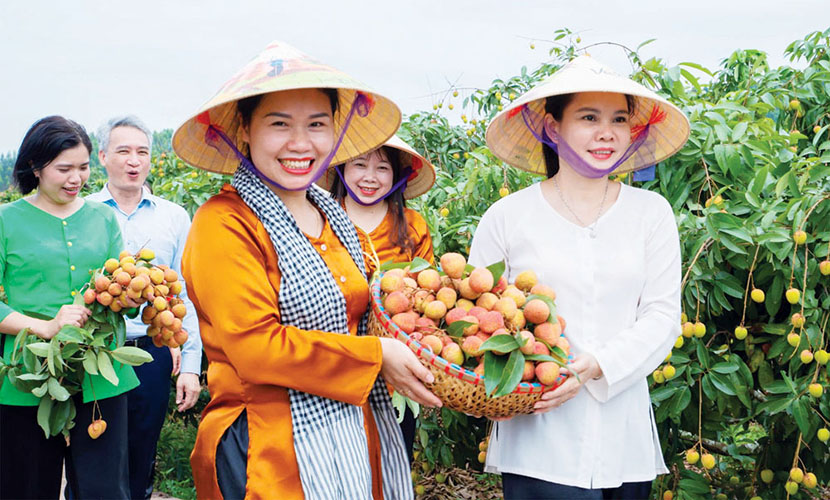
Facing increasingly stringent requirements, Bac Ninh province is stepping up the management of growing area codes and packaging facilities. Stricter control over traceability and pesticide residue monitoring will help stabilize Bac Ninh lychee and ensure their long-term sustainability.
Importing countries are tightening inspections of growing area codes and packaging facility codes for Vietnamese lychees. They use these inspections to monitor the entire production process, including pesticide use, pest surveillance, and processing and storage conditions. Many markets are also continuously updating regulations on pesticide residue limits, production records, and traceability requirements.
Bac Ninh lychee
China is the main export market for Bac Ninh lychee. China has intensified online inspections and surprise checks on growing areas and packaging facilities. If violations related to plant quarantine or food safety arise, import authorities may temporarily suspend or revoke export codes.
On January 24, 2026, the Government issued Decree No. 38/2026/ND-CP on growing area codes and packaging facility codes. Under the new regulations, growing areas seeking certification must meet requirements on minimum area, production processes, record-keeping, and storage of cultivation data. Packaging facilities must also comply with standards on equipment, pest control, and product traceability. All existing codes must be available in the new formats.
The province currently has 315 export growing area codes covering a total of 17,769.22 hectares for Vietnamese agricultural products. Specifically, they include lychee, longan, pomelo, watermelon, star apple, bananas, and herbs. Bac Ninh lychee alone accounts for 243 growing area codes for exports to markets, along with 42 export packaging facilities.
Mr. Nguyen Duc Hung is the Director of an Vietnamese lychee export company. He said China has remained the province’s key market for many years, accounting for more than 70% of exported lychee output. However, in 2026, the market significantly changed its import management policies.
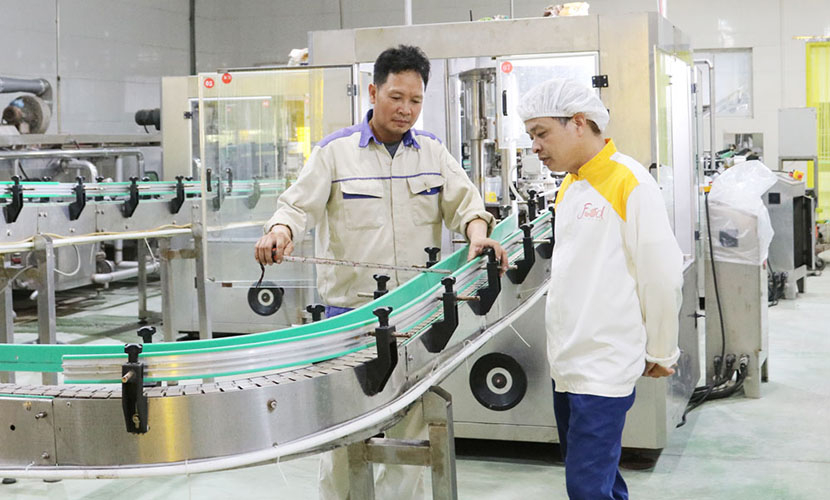
Bac Ninh lychee facility
The assessment and inspection of packaging facilities eligible to export to China are now subject to stricter controls. Chinese authorities may conduct inspections before the harvest season or monitor operations throughout the harvesting and export process. “If Vietnamese export businesses fail to promptly upgrade facilities and standardize production and packaging procedures, the risk of export suspension or code revocation is entirely possible,” Hung said.
Not only China, but markets such as the EU, Japan, and the United States are also becoming increasingly stringent regarding pesticide residues and food safety standards. As a result, many Vietnam’s fruit businesses have proactively tightened control over raw material areas. They also tighten control over cultivation processes and processing and packaging systems.
Alongside businesses, many farmers have also adjusted their production methods to meet export standards. Ly Van Tri, from Chay village in Luc Ngan commune, said his family strictly follows Vietgap and Globalgap procedures. The entire Bac Ninh lychee cultivation process is available on electronic software. This ensures transparency and facilitates inspections and monitoring.
Tri’s family currently has more than 2 hectares of main-season lychee orchards located in an area granted export codes for the United States, Japan, and the EU. Although many lychee-growing areas have suffered poor harvests this year, his orchard is still likely to achieve around 80% of last year’s output. It is likely to yield more than 10 tonnes.
Mr. Nguyen Hong Quang is the Deputy Director of the Department of Agriculture and Environment. According to him, amid increasingly strict requirements from import markets, the provincial agricultural sector considers strict management of growing area codes and packaging facility codes a key task. This helps maintain the reputation and brand of Vietnam’s lychees.
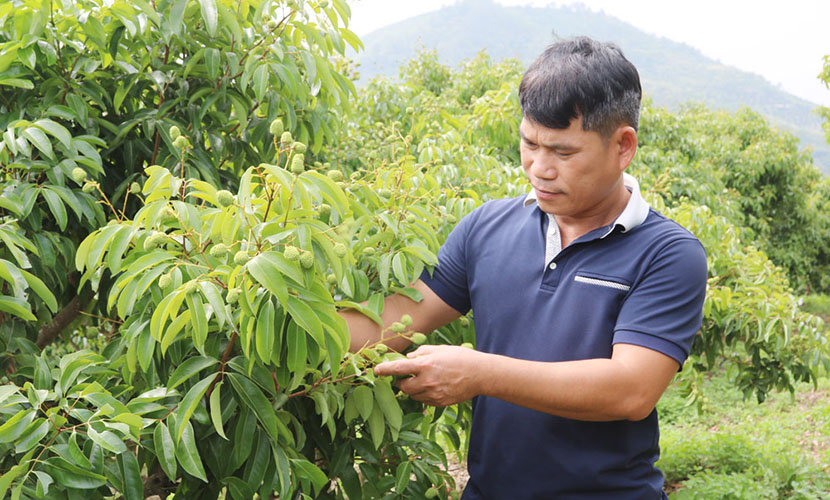
Bac Ninh lychee farm
From the beginning of the harvest season, the Department of Agriculture and Environment issued multiple plans and directives related to lychee production for export. It assigned the Sub-Department of Crop Production and Plant Protection as the focal agency. This agency advises on the issuance and management of growing area and packaging facility codes across the province.
Following inspections, authorities revoked eight growing area codes covering 1,128.15 hectares and two packaging facility codes. These were revoked due to crop conversion or at the request of owners. One growing area code covering 18.17 hectares and one packaging facility code were also temporarily suspended.
In February and March 2026, the Department of Agriculture and Environment reviewed all export lychee growing area codes and packaging facilities. The Department has already granted codes for these facilities.
The conversion of growing area and packaging facility codes to the new format is currently underway. It is expected to be completed before June 15, 2026. Once finalized, the data will be available on the National Database System. It will also be sent to importing countries to support traceability and monitoring.
In addition, the provincial agricultural sector has organized numerous training courses on procedures for establishing, issuing, and managing growing area and packaging facility codes. It has also worked closely with the Department of Crop Production and Plant Protection. This cooperation helps promptly update new import market regulations and support businesses in product distribution.
Amid intensifying competition, the standardization of growing area and packaging facility codes is not only a mandatory requirement for maintaining export markets. It is also a solution to enhance the quality, reputation, and brand value of Bac Ninh lychees in the international market.
Vietnamese source: https://baobacninhtv.vn/xuat-khau-vai-thieu-chuan-hoa-ma-so-vung-trong-co-so-dong-goi-postid445510.bbg
If you are interested in Vietnamese lychee exports, please contact us:
Company: Agrideco Vietnam Co., Ltd.
Address: No 02, Alley 325 Kim Nguu, Vinh Tuy Ward, Hanoi, Vietnam
Tel/Kakao Talk/Whatsapp: +84 989 649 804
Website: https://agridecovietnam.com
Email: agridecovietnam@gmail.com