
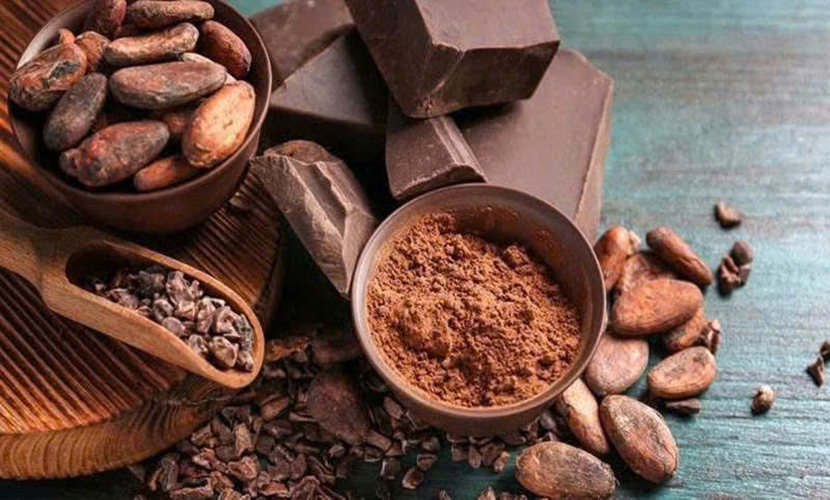
From organically cultivated farms, the largest cocoa-growing region in Ho Chi Minh City is producing a wide range of high-quality products. Vietnam’s cocoa products are winning over demanding international markets.
The communes conclude Ngai Giao, Chau Duc, Xuan Son, Binh Gia, Nghia Thanh, and Kim Long. These communes have long been major cocoa-growing areas in the former Ba Ria–Vung Tau Province (now part of Ho Chi Minh City). In addition to serving as the city’s largest cocoa-producing region, the area is gradually transitioning to organic farming practices. This transition is creating Vietnam’s cocoa products with distinctive flavors that are reaching international markets.
Vietnamese cocoa was first available to the area in 2004. Thanks to favorable soil and climate conditions, the crop quickly adapted and expanded. Cocoa can grow successfully on a variety of soil types, including alluvial soil, clay soil, sandy clay soil, and basalt soil. This makes it well suitable for the region’s agricultural landscape.
Vietnam’s cocoa products
Over the past two decades, cocoa has remained one of the key crops in the eastern part of Ho Chi Minh City. Despite fluctuations in market conditions, farmers have continued to cultivate it. International experts have highly praised the quality of Vietnam’s cocoa products produced in the region. Consequently, the product has drawn interest from both domestic and foreign businesses.
These days, Phan Thanh Huy, a farmer in Binh Gia Commune, is busy harvesting his 2025 cocoa crop. His six-sao cocoa plantation is now three years old and has entered its second harvest season.
“Last year, we harvested around 4 tons of fresh cocoa pods during the first crop. This year, output is likely to reach about 5 tons,” Huy said. “The selling price of fresh pods selling is around VND 11,000 per kilogram. Therefore, we can still earn a profit of approximately VND 30 million after deducting production costs.”
According to Huy, cocoa requires less intensive care and maintenance compared with many other crops. The installation of an automated irrigation system has significantly reduced labor costs while improving production efficiency.
“This year, cocoa production has been strong, while both prices and market demand remain stable,” Huy said. This gives farmers greater confidence in expanding production.
In addition to maintaining their cultivation areas, many farmers in the region have begun shifting toward organic production methods. This shift aims to improve product quality and meet the increasingly stringent requirements of export markets.
Truong Ngoc Lan, a farmer in Chau Duc Commune, is among the pioneers in adopting organic cocoa farming practices. In 2020, he started converting his entire cocoa plantation to organic cocoa cultivation. His goal was to produce safe, high-quality raw materials for processing and export.
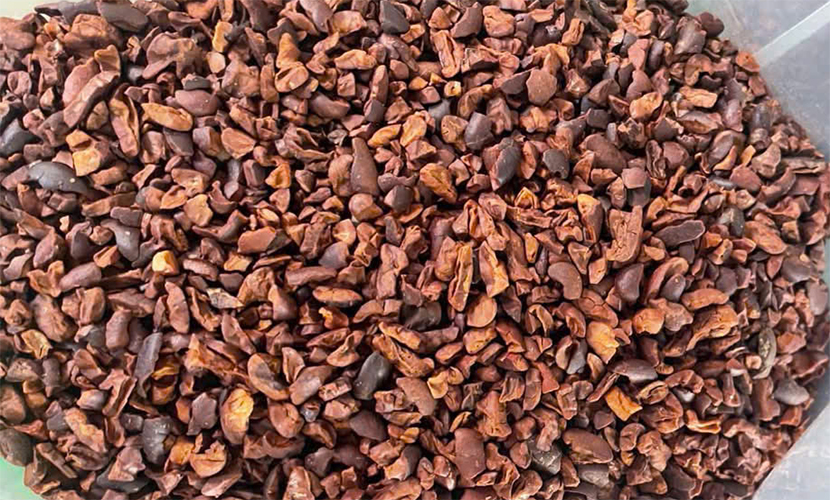
Vietnamese cocoa nibs
According to Lan, organically grown cocoa trees flower more evenly and have a higher fruit set rate. They also produce more consistent pod quality. After nearly five years of applying the new farming process, his family’s 9,000-square-meter cocoa garden has remained healthy and green, delivering stable yields.
Currently, his cocoa pods are purchased by local buyers at a price ranging from VND 11,000 to 12,000 per kilogram of fresh fruit. This provides farmers with stronger motivation to continue pursuing sustainable production models.
Amid the growing consumer preference for clean and safe products, expanding organic farming areas is increasingly seen as a suitable direction. It helps enhance the value of Vietnam’s cocoa products while strengthening the competitiveness of local products.
Currently, cocoa cultivation areas in Ho Chi Minh City’s key growing regions cover nearly 570 hectares. In addition to being the city’s largest cocoa-growing zone, this area also serves as a key supplier of high-quality raw materials for many Vietnamese export enterprises.
Many cooperatives and businesses have established supply chain linkages. They purchase fresh cocoa pods directly from farmers for processing into various products. These include cocoa powder, chocolate, cocoa tea, cocoa juice, and cocoa-based alcoholic beverages.
Vietnam’s cocoa products made from locally sourced raw materials have been highly appreciated for their distinctive flavor profile. They have even been ranked among the Top 100 best cocoa varieties in the world. As a result, these products have successfully entered demanding markets such as Japan, South Korea, Malaysia, and several European countries.
Mr. Le Ngoc Can is Director of the Chau Duc Cocoa Cooperative. He stated the cooperative currently has 97 members managing more than 100 hectares of cocoa cultivation. “If properly cared for, cocoa plantations over six years old can achieve an average yield of about 3 tons of fresh pods per sao,” he said.
The cooperative is currently working with several companies, including Marou Chocolate JSC, Vua Thuc Pham JSC (Ho Chi Minh City), and Binon Cocoa, to purchase fermented cocoa beans.
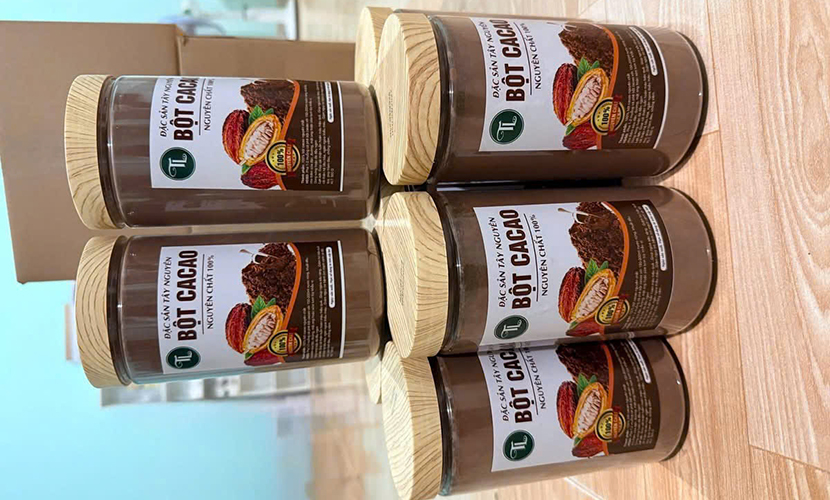
Cocoa powder from Vietnam
Ms. Nguyen Thi Thu is Director of OCA Vietnam–Japan Co., Ltd., She noted that in order to develop the OCA brand in Japan and the Netherlands, the company must ensure product quality meets consumer expectations. It must also comply with strict standards of international distributors.
In addition to exporting raw materials, the company has invested in processing lines for processed cocoa products. They include chocolate, pure cocoa powder, cereals, beverages, cocoa tea, and cocoa-based alcoholic products. This aims to diversify its product portfolio and increase value-added output. The business is also planning to expand exports to Japan and Europe.
Beyond export activities, several enterprises have developed community-based tourism models linked to cocoa cultivation and processing experiences. This helps generate additional income for local communities.
Amid rising demand but still limited supply, local authorities are continuing to improve organic production processes. They are also expanding cultivation in suitable areas and developing more raw-material zones that meet export standards.
From a relatively new crop introduced just over 20 years ago, Vietnam’s cocoa products have now become one of the signature agricultural products of eastern Ho Chi Minh City. The transition toward organic farming, together with active participation from businesses and cooperatives, is opening new opportunities. These opportunities allow Vietnamese cocoa beans to further strengthen their presence in international markets.
Vietnamese source: https://nld.com.vn/ca-cao-viet-chinh-phuc-thi-truong-quoc-te-196260608221452744.htm
If you are interested in Vietnamese cocoa products, please contact us:
Company: Agrideco Vietnam Co., Ltd.
Address: No 02, Alley 325 Kim Nguu, Vinh Tuy Ward, Hanoi, Vietnam
Tel/Kakao Talk/Whatsapp: +84 989 649 804
Website: https://agridecovietnam.com
Email: agridecovietnam@gmail.com