
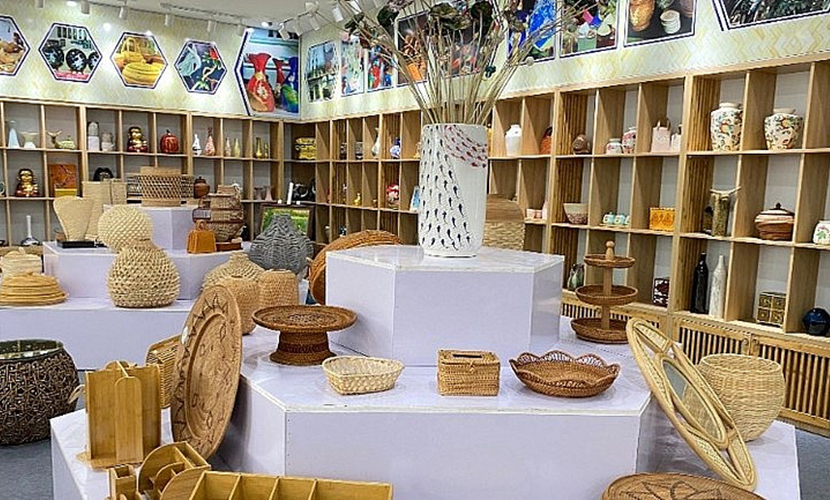
In accordance with requirements from free trade agreements, Vietnam’s handicraft enterprises are improving the production standards. They are investing heavily in waste treatment systems, carbon emission reduction, and professionalizing management.
Ms. Ha Thi Vinh is the Chairwoman of the Hanoi Handicraft and Craft Village Association. According to her, environmental and social responsibility certifications are becoming mandatory “passports” for Vietnamese handicrafts to enter the high-end segment.
Vietnam’s handicraft
Enterprises in the Vietnam’s handicraft sector are making significant investments in waste treatment systems and carbon emission reduction. They are also focusing on the professionalization of management.
Mr. Le Ba Ngoc is the Vice Chairman of the Vietnam Handicraft Export Association. He emphasized that to remain competitive, Vietnamese craft enterprises must control the entire supply chain, from raw materials to production energy. The European countries currently require transparency in emissions and a gradual annual reduction trend.
The Vietnam – European Union Free Trade Agreement (EVFTA) continues to create major opportunities for Vietnamese handicraft products. This is driven especially by the tariff reduction schedule, which is now approaching 100%.
However, to access this highly demanding market effectively, businesses must make major adjustments. More specifically, they should to green their production processes and upgrade management standards.
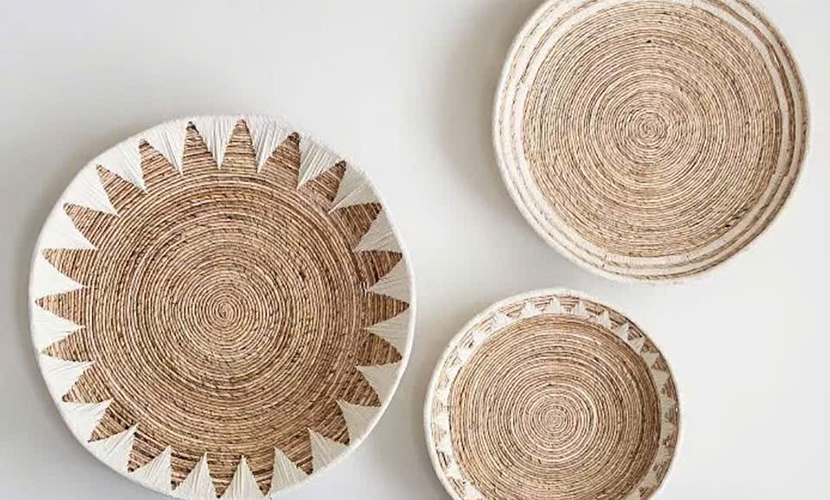
Decoration products from Vietnam
In addition to tariff benefits, the European market is shifting towards sustainable consumption. European consumers now prioritize eco-friendly craft products, transparent production processes, and strict social responsibility. Therefore, if businesses fail to meet environmental standards, emissions regulations, and sourcing requirements, it will be difficult to maintain market share, even with reduced import tariffs.
The global trade landscape also presents increasing challenges. When economic conditions fluctuate, decorative items such as handicrafts are often the first products consumers cut back on. This requires businesses to create differentiated value, enhance durability, improve designs, and increase competitiveness.
In the coming time, Hanoi will continue to support businesses through trade promotion, guidance on origin rules, brand development, and digital transformation. To fully leverage the opportunities from the EVFTA, businesses and craft villages need to proactively adopt new technologies. Moreover, they should master market standards and develop sustainable growth strategies right from the production stage.
Vietnamese source: https://thuehaiquan.tapchikinhtetaichinh.vn/xanh-hoa-san-xuat-va-nang-cap-tieu-chuan-quan-tri-theo-evfta-200972.html