
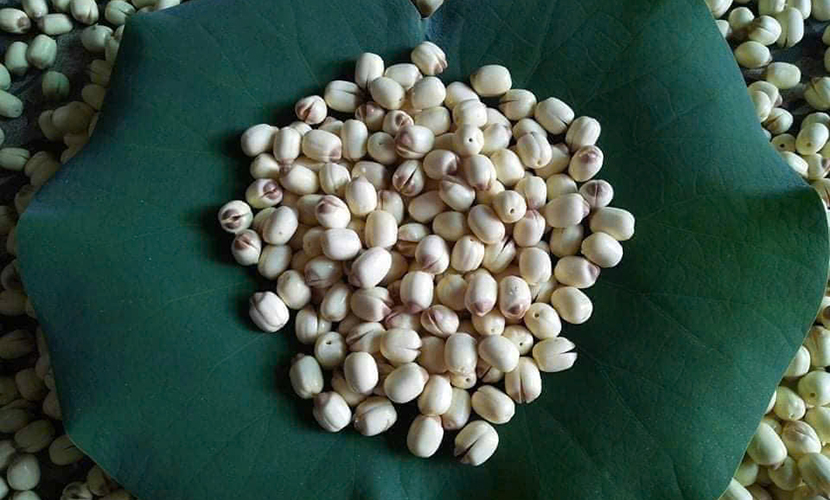
Quang Chau is a remote commune in the mountaineous district of Viet Yen, in Bac Giang province. The commune have converted low-yield rice fields into Vietnamese lotus, bringing higher economic efficiency.
The lotus cultivation model not only generates substantial income for local people. Also, Vietnamese lotus breathes new life into the rural landscape. As a result, the countryside becomes greener and more beautiful, contributing to the development of local tourism.
When visiting Quang Chau commune, it is easy to spot vast Vietnam’s lotus ponds covering large areas. To achieve the beautiful lotus ponds seen today, local residents have gone through a long and challenging process. They transformed once waterlogged rice fields into thriving lotus ponds.
Vietnamese lotus
In the past, rice farming in the area was inefficient and frequently damaged by storms and flooding. Recognizing the potential of lotus plants, residents studied lotus cultivation techniques and visited lotus ponds in neighboring areas. Afterthat, they decided to switch from ineffective rice farming to Vietnamese lotus cultivation.
Lotus plants adapt well to low-lying, muddy, and water-rich soil and are generally resistant to disease. The region’s heavy rainfall provides favorable conditions for lotus growth, leading to abundant flowers and seed pods. Conversely, during drier periods, Vietnam’s lotus plants tend to grow less vigorously. To produce large, full, and high-quality seed pods, lotus growers must carefully tend to their crops.
The post–Lunar New Year (Tết) period is particularly crucial for Vietnamese lotus care. During this time, farmers remove weeds. Once the lotus leaves rise above the water’s surface, they apply NPK fertilizer to ensure healthy growth. Neglecting this care phase may result in underdeveloped plants, smaller pods, shriveled seeds, and reduced yields.
Currently, Vietnamese lotus has become the main crop grown in most low-lying areas and former inefficient rice fields. The success of the Vietnam’s lotus cultivation model has increased local farmers’ incomes. It has also created employment opportunities for many workers in the area.
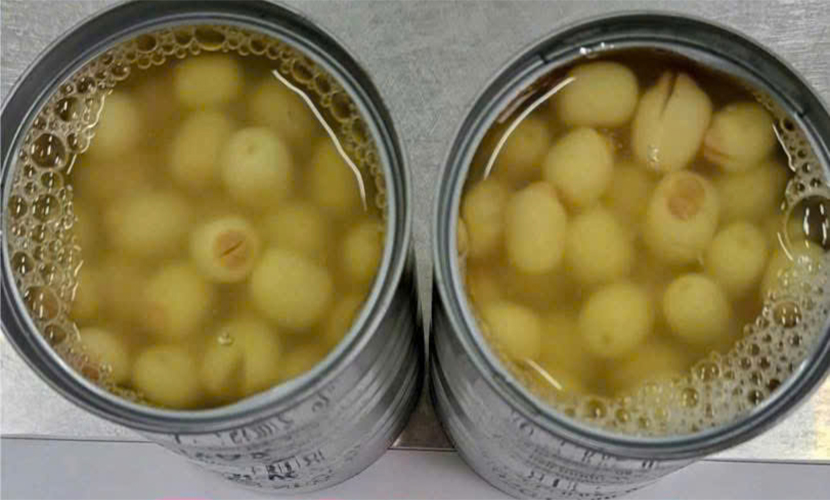
Canned lotus from Vietnam
In addition, this model has contributed to a cleaner and more beautiful environment. During the lotus blooming season, the fields attract many visitors and photography enthusiasts who come to admire the flowers.
The restructuring of crop patterns, specifically the introduction of high-value crops into local agricultural development, has helped raise income per unit of cultivated land. Within this process, converting low-yield rice fields into commercial lotus-growing areas has proven particularly effective.
With wholesale prices ranging from 12,000 to 15,000 VND per dozen lotus flowers or young pods, and 35,000 to 40,000 VND per kilogram of fresh lotus seeds, Vietnamese lotus generates significant value for residents of the commune. However, in 2023, the lotus yield was lower than in the previous year, and market prices slightly decreased.
The main reason was the prolonged rainy season, which caused leaf curling early in the crop cycle. Many lotus plants were also affected by diseases, leading to fewer branches and earlier flower wilting compared to the year before. Nevertheless, despite these declines, the income from lotus cultivation remains much higher than that from rice farming.
The harvesting period of Vietnamese lotus lasts three months, from June to August each year. Vietnam’s lotus products are highly favorable by consumers and therefore easy to sell. The lotus flower is materials in many traditional ceremonies and festivals. Lotus seeds contain vitamin A, vitamin C, iron, magnesium, potassium, and high fiber.
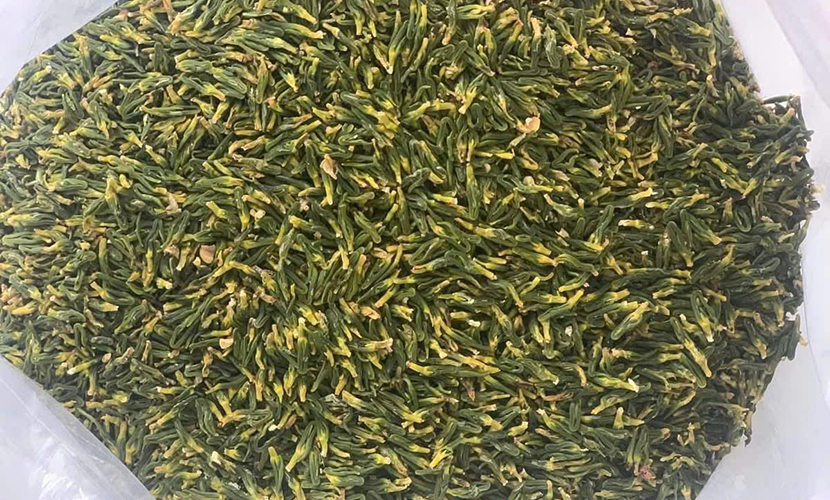
Vietnamese lotus heart
They also have antioxidants that aid digestion and help maintain a healthy digestive system. They are also used to make sweets, mooncakes, and other pastries. Additionally, they serve as an important ingredient in various Asian dishes.
Cultivating lotus on previously low-yield rice fields has contributed to diversifying agricultural products. It has also brought significant economic benefits to local residents. In the future, the commune will continue to restructure its crop patterns in accordance with the Agricultural Restructuring Project.
This aims to adapt to climate change and create favorable conditions for agricultural production. It also seeks to enhance local livelihoods and attract tourists to visit and experience the area.
In addition, the growing number of tourists coming to see and photograph the lotus ponds. Therefore, it provides local people with opportunities to sell lotus-related products directly to visitors. This serves as an effective form of product promotion, as tourists often buy souvenirs for their families and friends. This helps lotus products from Quang Chau reach many regions across the country.
Vietnamese source: https://sanphamvungmien.vn//san-pham-vung-mien/mien-bac/2024/7/mo-hinh-trong-sen-mang-lai-hieu-qua-kinh-te-cho-nguoi-dan-huyen-viet-yen-bac-giang