
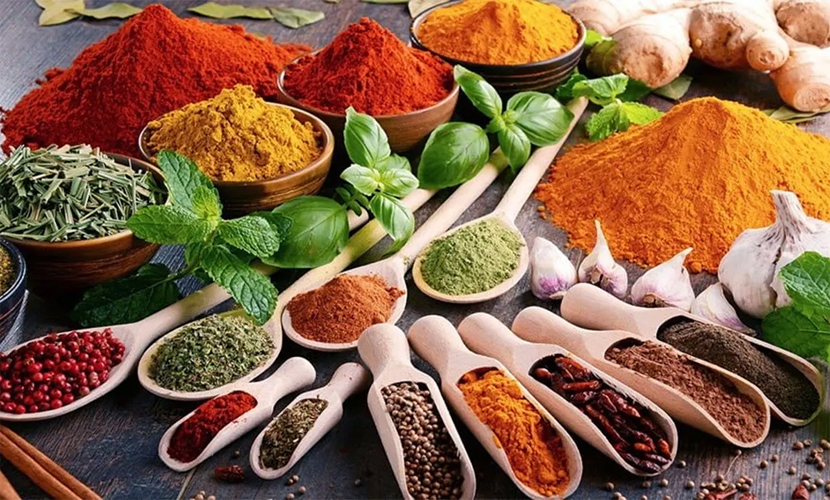
In 2025, Vietnamese spice industry aims to achieve export turnover of approximately $2 billion. Growing global demand for Vietnam’s spice products provides a solid foundation for the sector’s growth in the coming period. At the same time, enterprises are making efforts to develop raw material areas that meet export standards, further supporting this growth.
Ms. Hoàng Thị Liên is the Chairwoman of the Vietnam Pepper and Spice Association. She stated that in the first seven months of 2025, Vietnam exported 145,046 tons of pepper of all kinds. As a result, the total export value of Vietnamese pepper reached $988 million.
These are the highest prices recorded in many years, clearly reflecting the recovery trend of the global pepper market. They also indicate improvements in quality and added value along the production chain of Vietnamese spice industry.
Vietnam’s spices are available to many export markets. They include the United States, India, the United Arab Emirates, and the European Union (EU).
Among spice products, pepper remains the key commodity, with export turnover expected to exceed $1.32 billion in 2024. In the first seven months of 2025, the United States was Vietnam’s largest pepper export market, importing 30,890 tons. More specificcally, this accounted for 21.3% of the total market share.
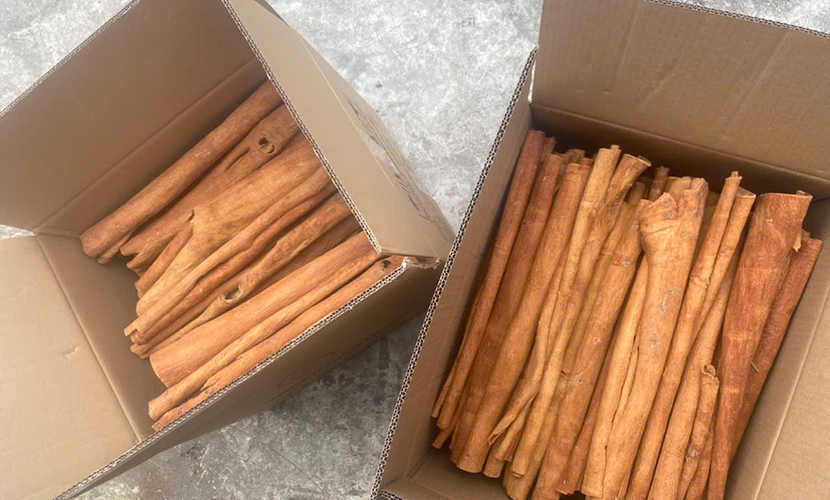
Vietnamese cinnamon
In addition to traditional markets, the United Kingdom is emerging as a potential market for pepper in 2025. In the first four months of 2025, Vietnam was the largest supplier of pepper to the United Kingdom. It accounted for 59.94% of the volume and 62.72% of the value in the UK’s total pepper imports.
Opportunities to expand Vietnam’s pepper market share in the UK remain strong. The product benefits from advantages in supply, pricing, and trade policies. With abundant and stable supply, Vietnam can readily meet large orders from UK retail systems.
In terms of pricing, Vietnam’s pepper is currently significantly cheaper than Indonesian pepper. At the same time, its improving quality makes it well suited to UK businesses and supermarket chains seeking products that combine competitive prices with consistent quality.
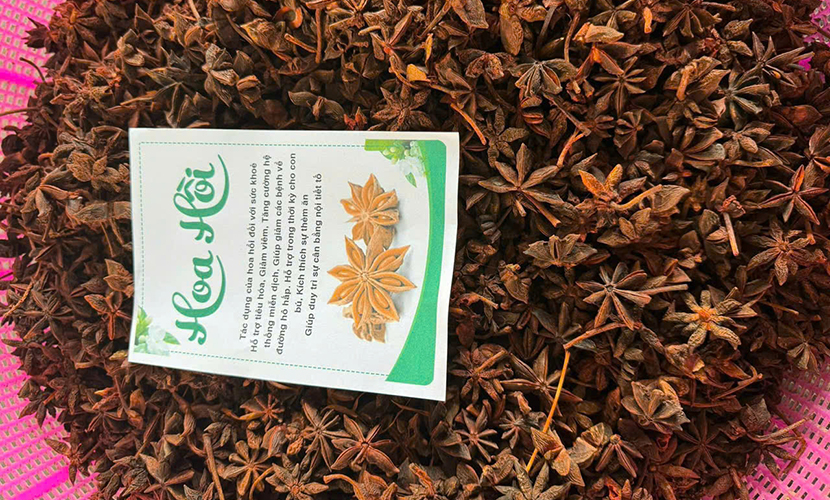
Star anise from Vietnam
Although Vietnam’s spice exports have shown many positive signs in recent times, the sector is also facing intense competition from other exporting countries of similar products. Specifically, in the Chinese market, Vietnamese pepper must compete on price with pepper from Indonesia.
This situation requires Vietnam’s spice enterprises to adjust pricing flexibly. They also need to adopt delivery strategies that align with demand fluctuations in each period. In India, Vietnamese pepper is also facing competition from supplies originating in Sri Lanka and Brazil.
Mr. Phan Minh Thông is the Chairman of the Board of Directors of Phúc Sinh Joint Stock Company. According to him, for pepper in particular and spices in general, importing markets are placing increasingly stringent requirements on quality and food safety.
Accordingly, natural spice products with no additives, organic certification, and clear traceability are attracting greater consumer interest. Therefore, enterprises need to move toward green and sustainable production.
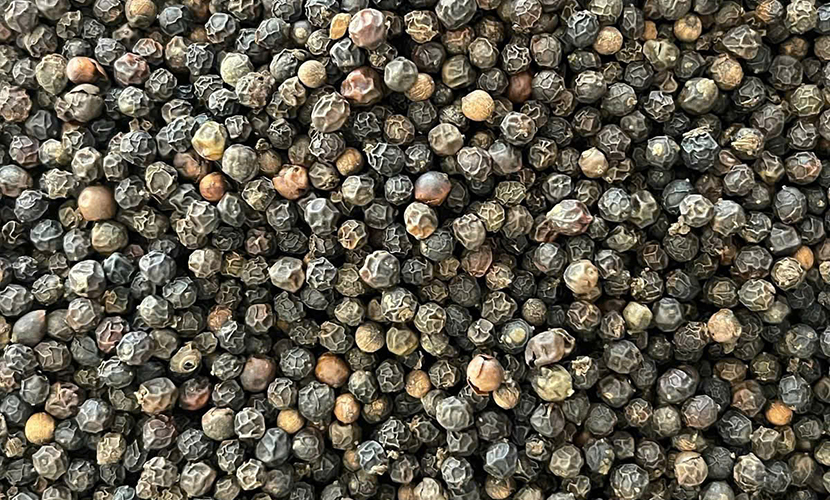
Black pepper from Vietnam
For many years, Phúc Sinh has implemented a sustainable pepper farming model through partnerships with farming households that produce in accordance with international standards. Each year, the company conducts technical training programs for farmers in its raw material regions. As a result, Phúc Sinh’s pepper is mainly exported to the United States, one of the markets with the most strict quality standards.
In the coming period, to capitalize on growth opportunities for the spice sector, the Vietnam Pepper and Spice Association said it will continue to implement national-level trade promotion programs, including trade missions in Germany and the Netherlands.
It will also coordinate with enterprises to organize training courses for farmers on sustainable cultivation. Additionally, it plans to roll out pepper replanting models in key provinces and complete the digital mapping database of Vietnam’s spice crops.
At the same time, the Association will proactively monitor issues related to value-added tax (VAT), certificates of origin, reciprocal tariffs, and food safety certification forms. This is aimed at supporting enterprises in enhancing their production and export capabilities.
Vietnamese source: https://nhandan.vn/co-hoi-tang-truong-cho-nganh-hang-gia-vi-post902650.html
If you are interested in Vietnamese spice exports, please contact us:
Company: Agrideco Vietnam Co., Ltd.
Address: No 02, Alley 325 Kim Nguu, Vinh Tuy Ward, Hanoi, Vietnam
Tel/Kakao Talk/Whatsapp: +84 989 649 804
Website: https://agridecovietnam.com
Email: agridecovietnam@gmail.com