
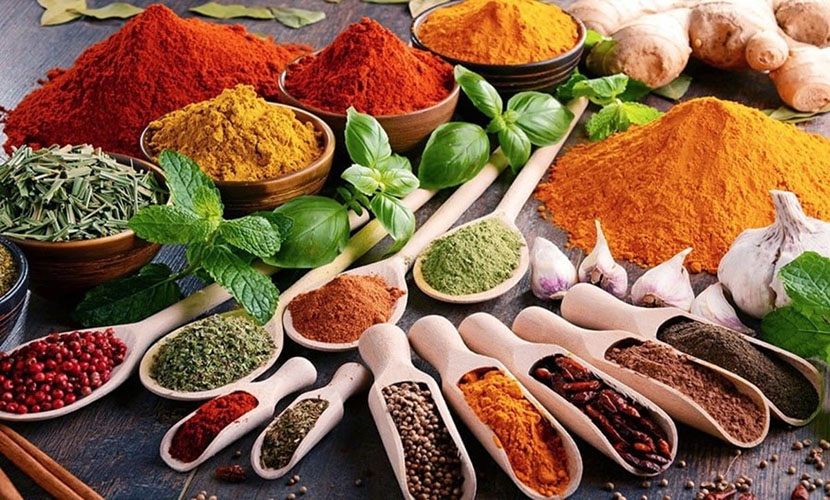
The Swedish market is demanding but stable and relies on imports. It also favors natural and organic products, creating opportunities for Vietnamese spice exports if they can meet high standards.
Sweden has long been regarded as one of Europe’s most developed and demanding food markets. Standards on food safety, traceability, and sustainability are not only legal requirements. Also, they have also become consumer norms. In this context, the market for spices and herbs continues to maintain steady growth. This reflects shifts in eating habits, the globalization of cuisine, and increasing demand for natural, healthy, and organic products.
For Vietnamese spice exporters, this is a challenging market. However, it is also one with clear opportunities, especially as Sweden’s supply and demand structure shows a strong dependence on imports.
Ms. Nguyễn Thị Hoàng Thúy is the Head of the Vietnam Trade Office in Sweden, also responsible for Denmark, Norway, Iceland, and Latvia. She said that due to climate limitations, Sweden is almost unable to produce spices on a commercial scale. Most domestic demand is met through direct imports from non-EU countries or indirectly through EU distribution hubs such as the Netherlands, Germany, and Spain. As a result, Vietnamese spice exports are among the product groups highly dependent on global supply chains.
Vietnamese spice exports
During the 2024–2025 period, according to Swedish statistical agencies and food industry associations, demand for imported spices has generally remained stable despite the impacts of food inflation, rising logistics costs, and new sustainability requirements in supply chains. This stability indicates that spices remain an essential consumer product. They are less vulnerable to sharp fluctuations than many other food categories.
Ms. Thúy further noted that on the demand side, cultural diversity and immigrant populations are important drivers of spice consumption. In addition to traditional Nordic seasonings, Swedish consumers are increasingly using spices associated with Asian, Middle Eastern, and African cuisines. These include pepper, ginger, turmeric, cinnamon, cumin, coriander, and blended spice mixes. The trend toward home cooking has helped expand the market for packaged spices and blended seasonings. In addition, demand for convenient foods that still preserve flavor and nutritional value has also contributed to this growth.
Notably, the segment of health-oriented and sustainable spices is growing strongly. Following the COVID-19 pandemic, Swedish consumers have become more interested in spices and herbs believed to support immunity and overall health. At the same time, preference is increasing for products that are natural, organic, and certified as sustainable. This trend is expected to continue in the medium term. It aligns with Sweden’s food and environmental policy directions.
These characteristics suggest that Vietnamese spices can secure a position in this market if they meet technical standards and align with green consumer trends.
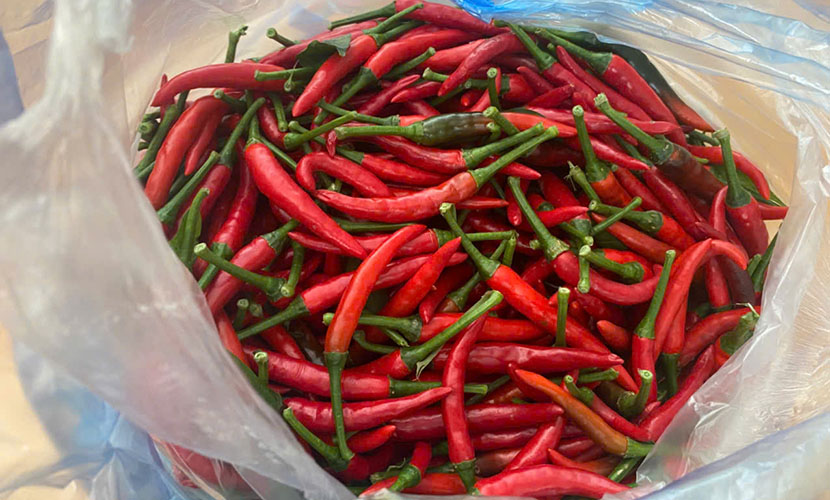
Vietnamese chili – one of the main Vietnamese chili exports
In terms of market structure, several major domestic brands continue to dominate through strong distribution systems and diverse product portfolios. However, the market is not completely closed. On the contrary, there is still room for small businesses and niche products. This is especially true for organic spices, region-specific specialties, and products associated with clear origin stories.
This is particularly noteworthy for Vietnamese spice businesses, as Vietnam has strengths in many tropical spices and distinctive regional products. However, competition in the international market is becoming increasingly intense. Major exporting countries compete not only on price but also on their ability to comply with strict EU and Swedish standards. These standards relate to food safety, residue limits, sustainability, and logistics.
Therefore, export prospects do not lie in short-term strategies but require a long-term approach focused on quality, transparency, and adaptability to green consumption trends. Businesses need to invest in traceability and organic or sustainability certifications where appropriate. They also need to optimize supply chains to meet cost and delivery-time requirements.
To gain a more comprehensive understanding, Ms. Thúy recommended that businesses refer to the publication “Swedish Market Study: Trends and Opportunities for Vietnamese Enterprises in Selected Food Sectors,” compiled and released by the Vietnam Trade Office in Sweden. The publication provides in-depth analysis of consumer trends, import structures, distribution systems, legal requirements, and market standards for different food sectors, including spices. It also offers practical recommendations to support market entry.
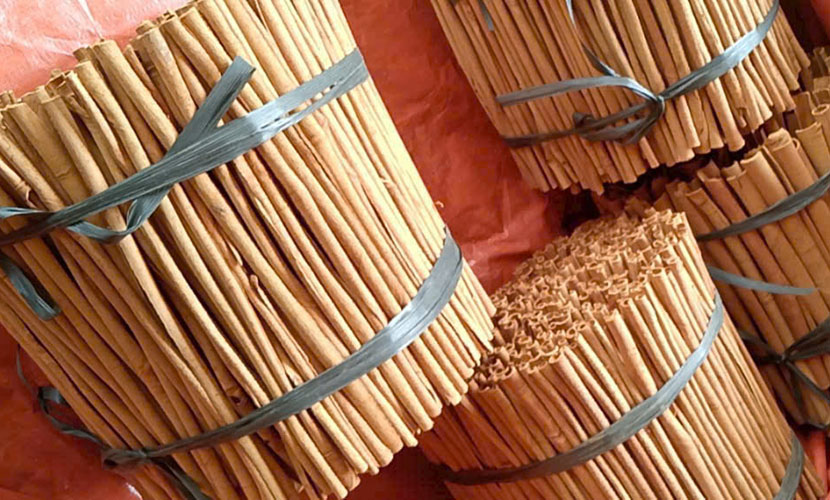
Cinnamon sticks from Vietnam
In addition, participating in specialized trade fairs in the Nordic region is considered an effective trade promotion channel. Foodexpo in Herning, Denmark, is a large and professional food industry event. It brings together the entire value chain, from manufacturers and distributors to buyers, hotels, and food service providers. It offers businesses opportunities to showcase Vietnamese spice exports, connect with Nordic and international partners, and stay updated on market trends.
Ms. Hoàng Thị Liên is the Chairwoman of the Vietnam Pepper and Spice Association (VPSA). She said that Vietnam’s pepper and spice industry is entering a relatively favorable price cycle. If the industry can take advantage of this period to strengthen a sustainable production foundation, it will create an important basis for long-term growth. This would be better than merely pursuing short-term gains from high prices.
Currently, the sector’s deep-processing rate is around 30%, with about 30 companies making systematic investments in technology and equipment to produce high value-added products. Compared to the association’s total of around 150 members, this figure remains modest. It indicates significant room for further development, particularly for exports to demanding markets such as Sweden.
Vietnamese source: https://congthuong.vn/trien-vong-lon-xuat-khau-gia-vi-viet-nam-sang-thi-truong-thuy-dien-444300.html
If you are interested in Vietnamese spice exports, please contact us:
Company: Agrideco Vietnam Co., Ltd.
Address: No 02, Alley 325 Kim Nguu, Vinh Tuy Ward, Hanoi, Vietnam
Tel/Kakao Talk/Whatsapp: +84 989 649 804
Website: https://agridecovietnam.com
Email: agridecovietnam@gmail.com