
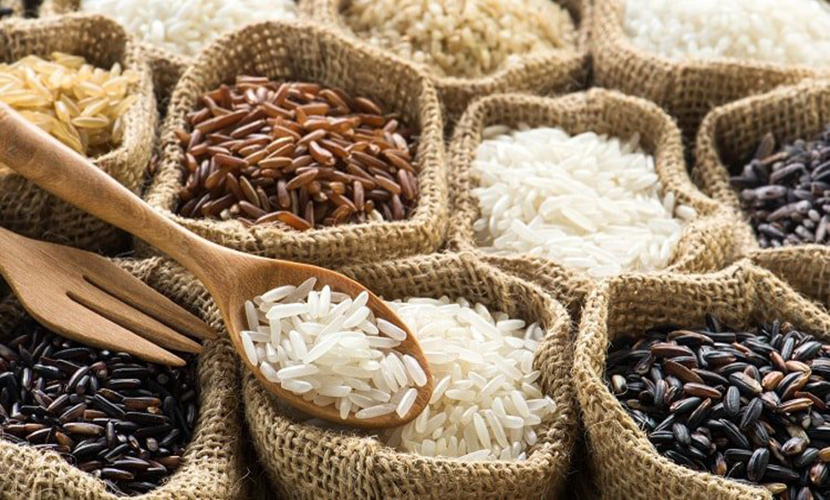
Vietnamese exported rice continued to grow in volume during the first half of 2026. Meanwhile, the rice industry is accelerating its transition toward low-emission production and higher value-added products to strengthen its competitive edge.
According to the Ministry of Agriculture and Environment, Vietnam exported 910,000 tonnes of rice in June 2026. The export revenue of Vietnamese exported rice reached USD 373.1 million.
In the first six months of 2026, Vietnamese rice exports reached approximately 5.2 million tonnes, worth USD 2.38 billion. Export volume increased by 9.9% compared with the same period in 2025, while export value declined by 2.5%. The decrease in export earnings was mainly attributable to a lower average export price. It fell to approximately USD 459.6 per tonne, down 11.3% year on year.
The Philippines remained the largest market for Vietnamese exported rice, accounting for around 45% of total export turnover. China ranked second with a 19.4% share, followed by Ghana at 8.5%. Notably, rice export value to China surged by 87% during the first five months of the year. Meanwhile, exports to the Philippines and Ghana declined by 3.8% and 24.7%, respectively.
Vietnamese exported rice
Among Vietnam’s 15 largest export markets, Iraq recorded the strongest growth for Vietnamese exported rice. Export value to this market increased 132.4-fold compared with the same period last year. By contrast, Cambodia posted the steepest decline at 68.1%. These figures indicate that Vietnamese rice exporters are gradually diversifying their markets. However, they remain heavily reliant on several traditional destinations.
According to Reuters, Vietnam’s rice export prices edged higher in June as concerns grew that El Niño could affect the upcoming harvest across Asia. Vietnam’s 5% broken rice quoted at USD 410–415 per tonne, about USD 5 higher than at the end of May.
Meanwhile, Thailand’s 5% broken rice rose sharply to USD 480–500 per tonne, roughly USD 30 higher than a month earlier. The higher prices prompted many buyers, particularly in Africa, to switch to Indian rice. It was priced at around USD 340–346 per tonne.
International traders noted that the global rice market is closely monitoring the progress of the new crop across Asia. El Niño is forecast to intensify during July and August, potentially affecting regional production and global supply.
Domestically, rice prices in the Mekong Delta showed mixed trends across different varieties. In An Giang Province, prices for several fresh paddy varieties, including IR50404, OM5451, Dai Thom, and OM18, increased compared with the previous month.
By contrast, prices for dried paddy in Dong Thap Province edged lower. Commercial rice prices, including both wholesale and retail prices, remained broadly stable or increased slightly. Prices for Vietnamese processed rice also rose modestly for both the 5% and 25% broken rice segments.
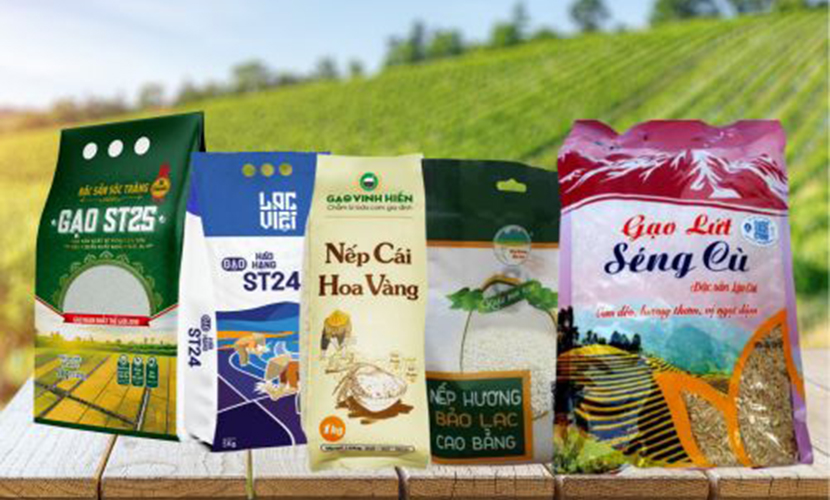
Vietnamese rice exports
Mr. Le Thanh Tung is the Standing Vice Chairman and Secretary General of the Vietnam Rice Industry Association. He said global rice demand is likely to remain broadly stable during the second half of 2026. Annual global rice production and trade generally fluctuate within a relatively narrow range. Therefore, overall supply and demand remain predictable.
However, El Niño is already affecting several Southeast Asian countries and could influence production during the 2026–2027 crop season. Additional supplies for the remainder of the year will mainly come from Vietnam’s Summer-Autumn and Autumn-Winter crops. However, output is not likely to increase significantly. As a result, Vietnamese exported rice will be able to remain stable.
Regarding prices, Tung said temporary price increases could occur in major importing markets such as the Philippines and China if demand rises unexpectedly. However, such fluctuations are likely to be short-lived. “The important thing is for farmers and businesses to remain calm and organize production according to their plans. They should also avoid reacting to short-term market fluctuations,” he said.
According to Tung, low-emission rice production is no longer an option but has become a necessity for Vietnam’s rice industry. With around 3.8 million hectares of rice-growing land and more than 7 million hectares planted annually, adopting low-emission farming practices can bring multiple benefits. These include reducing input costs, improving grain quality, increasing farmers’ incomes, and meeting the sustainability standards of export markets.
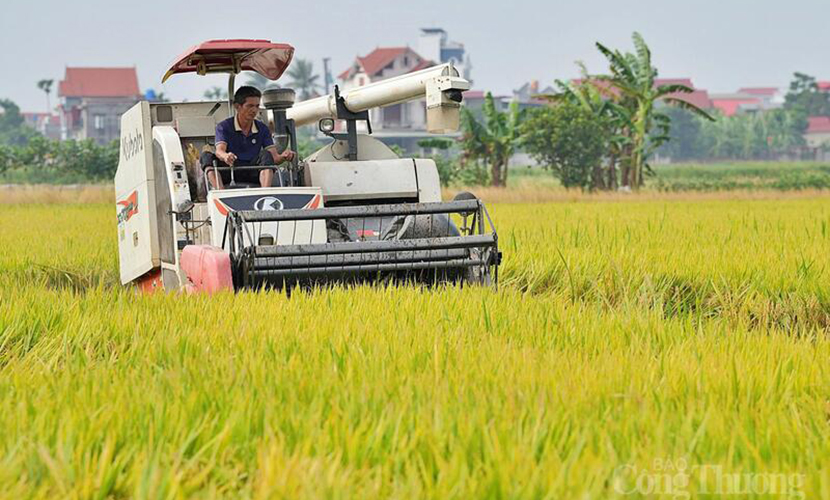
Vietnamese rice field
However, technical solutions should be adaptable to the specific conditions of each ecological region. While the Mekong Delta should prioritize reducing seeding density, the Red River Delta should capitalize on greater mechanization. This would help lower labor costs and improve production efficiency for Vietnamese exported rice.
Tung also emphasized that agricultural cooperatives will continue to play a pivotal role in restructuring the rice sector. By bringing individual farmers together into larger production zones, cooperatives can facilitate the adoption of mechanization and advanced farming practices. They can also promote low-emission production methods and sustainable supply chains.
“We need to shift our mindset from creating large fields with fewer farmers to developing large-scale production areas that involve many farmers through cooperatives. This model is better suited to Vietnamese exported rice production conditions. It will provide a solid foundation for improving the competitiveness of the rice industry in the years ahead,” Tung said.
Vietnamese source: https://congthuong.vn/xuat-khau-gao-nua-dau-nam-2026-giu-nhip-tang-truong-464118.html
For more information about Vietnamese rice exports, please contact us:
Company: Agrideco Vietnam Co., Ltd.
Address: No 02, Alley 325 Kim Nguu, Vinh Tuy Ward, Hanoi, Vietnam
Tel/Kakao Talk/Whatsapp: +84 989 649 804
Website: https://agridecovietnam.com
Email: agridecovietnam@gmail.com