
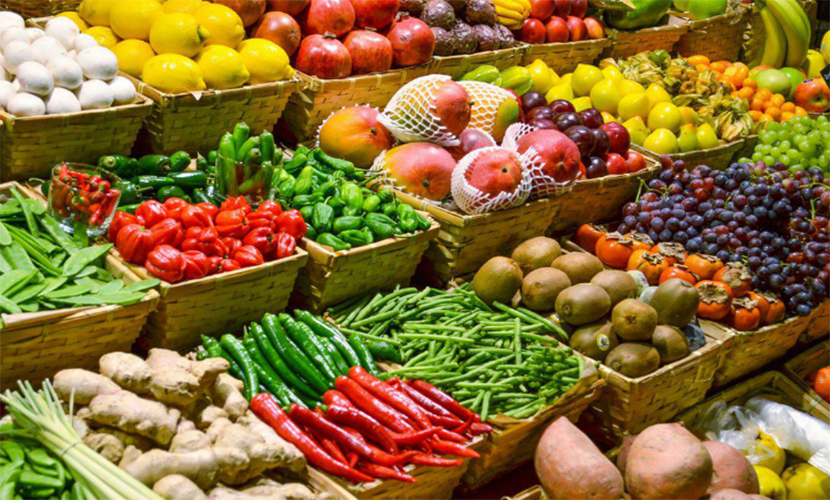
During the 2020–2030 period, Vietnam plans to establish a network of modern agricultural supply centers across major provinces. These centers will serve as vital hubs, helping Vietnam’s key agricultural products expand their presence in global markets.
It also plans to develop agricultural and seafood collection centers in key production regions. In addition, it will establish cross-border agricultural supply centers in provinces with strategic border gates and food safety markets at the commune level.
Mr. Trần Công Thắng is the Director of the Institute of Policy and Strategy for Agriculture and Rural Development. He said: “During the pilot phase from 2020 to 2025, the project aims to complete a policy framework. This framework will support and attract private sector investment through public-private partnerships (PPP) in Vietnam’s modern agricultural supply system.”
The pilot phase will also include the development of two to three modern agricultural supply centers in Hà Nội, Ho Chi Minh City, and Cần Thơ. It will also develop two to three agricultural and seafood collection centers in Kiên Giang and Bà Rịa–Vũng Tàu. In addition, it will establish two cross-border agricultural supply centers in Quảng Ninh, Lào Cai, and Lạng Sơn. It will also develop approximately 20 commune-level food safety markets connected to the national network of modern agricultural supply centers.
According to Mr. Thắng, the project’s key implementation measures include developing synchronized infrastructure and logistics systems. They also include expanding the application of Industry 4.0 technologies to build a digital agricultural supply network. In addition, they focus on strengthening human resource development and effectively mobilizing investment from multiple funding sources.
Vietnam’s key agricultural products
Representatives from local authorities emphasized that the most important factor in developing agricultural supply centers is selecting suitable locations. They also stressed the need to clearly define the scale of each center. They emphasized the types of markets and services to be provided, as well as an effective management model based on the operation of modern wholesale markets.
Mr. Nguyễn Hữu Phước is the Deputy Director of the Bình Thuận Department of Agriculture and Rural Development. He expressed the view that agricultural collection centers should also perform export functions. This would eliminate the need for products to be transferred to modern supply centers.
According to Mr. Phước, Bình Thuận has a fishing ground covering 50,000 square kilometers, with an annual seafood catch of more than 220,000 tonnes. The province also produces over 600,000 tonnes of dragon fruit each year, accounting for approximately 70% of Vietnam’s total dragon fruit output.
Given these advantages, he argued that Bình Thuận should establish its own agricultural and seafood collection center with direct export capabilities. This would be preferable to relying on supply centers in Bà Rịa–Vũng Tàu or Lâm Đồng, as proposed in the draft project.
He also recommended building a cold storage system at border gates. This would allow Vietnam’s key agricultural products to be stored whenever Chinese buyers temporarily suspend purchases or offer uncompetitive prices, thereby helping producers reduce market risks.
Commenting on the issue, Mr. Bertrand Ambroise, Director of International Cooperation at the Semmaris Group (France), noted that in both developed and developing countries, wholesale markets are designed to protect public health, strengthen food security, and support agricultural policy.
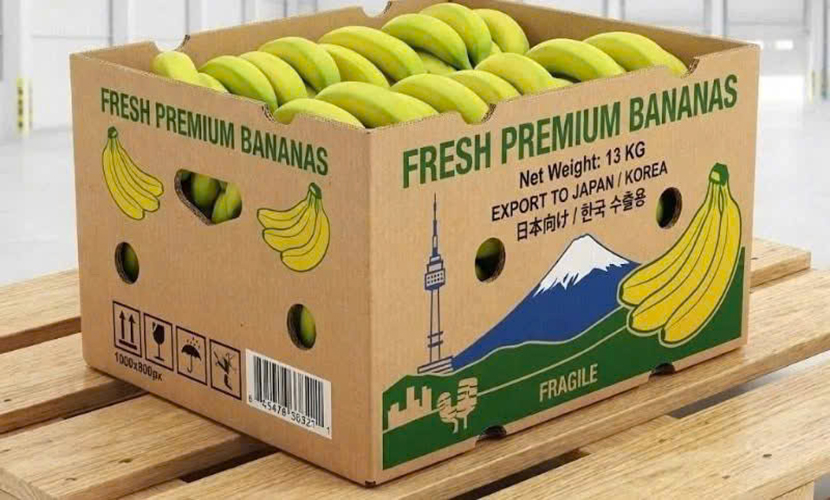
Vietnamese banana exports
He added that wholesale markets also serve as an important tool for improving urban infrastructure and reducing traffic congestion. They also support small-scale retail businesses and stimulate local economic development. In addition, they enhance the management of waste and wastewater generated by food processing and agricultural logistics.
In Vietnam, wholesale markets play an especially important role in supplying food to major cities such as Hà Nội and Ho Chi Minh City. They act as critical hubs for receiving large volumes of fresh produce and distributing safe food products to consumers. At Rungis Market in Paris, the world’s largest wholesale food market, the annual value of goods traded ranges from EUR 4 billion to EUR 9 billion.
In practice, the project has already incorporated valuable international experience and identified lessons that can be applied in Vietnam. It has developed a comprehensive map of the country’s existing wholesale agricultural markets in relation to major production areas. It has also established a set of criteria for a modern agricultural supply system.
In addition, it has proposed mechanisms and policy solutions to support its development. The project was likely to complete the necessary reporting procedures in early December 2019 for submission to the Ministry of Agriculture and Rural Development. The ministry would then seek the Prime Minister’s approval.
Mr. Nguyễn Minh Tiến is the Director General and Chief of Office of the National Target Program. He said: “Vietnam currently has more than 6,000 rural markets. It also has numerous wholesale markets operating in major provinces and cities.”
However, he noted that the connection between wholesale markets and production areas remains weak. In many cases, Vietnamese agricultural products still require additional sorting and preliminary processing after arriving at wholesale markets. This results in lower product quality, large volumes of waste, and higher logistics costs.
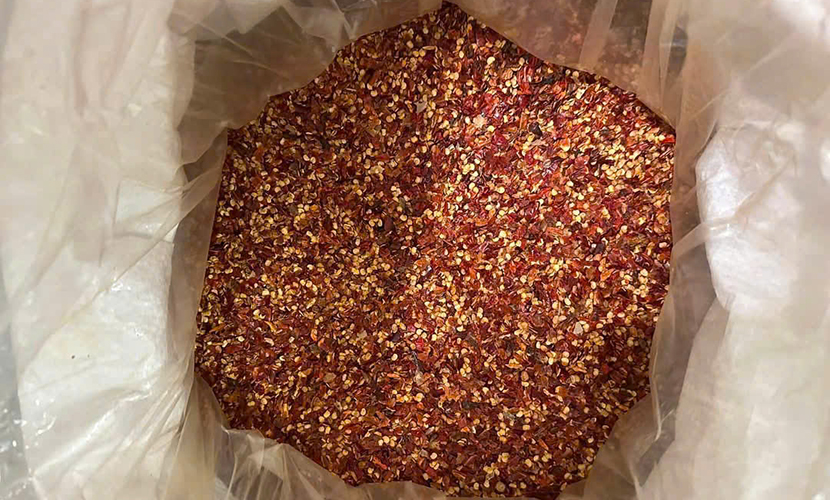
Vietnamese chili powder
According to Mr. Tiến, the project’s primary objective is to establish stronger links between production areas and agricultural collection and supply centers. This will help ensure that Vietnam’s key agricultural products supplied to both domestic and export markets meet food safety requirements. It will also help keep these products fresh and of high quality.
Moreover, export markets—including China—increasingly require growing area codes and product traceability. Therefore, producers of Vietnam’s key agricultural products must receive comprehensive guidance on these regulations. Modern agricultural supply centers will also provide essential support services.
These will range from crop protection and veterinary services to standardized production management. These services will help farmers adopt cleaner, safer, and progressively more organic production practices.
Vietnamese source: https://thuonghieusanpham.vn/dua-nong-san-mui-nhon-viet-nam-ra-the-gioi
For more information about Vietnam’s key agricultural products, please contact us:
Company: Agrideco Vietnam Co., Ltd.
Address: No 02, Alley 325 Kim Nguu, Vinh Tuy Ward, Hanoi, Vietnam
Tel/Kakao Talk/Whatsapp: +84 989 649 804
Website: https://agridecovietnam.com
Email: agridecovietnam@gmail.com