
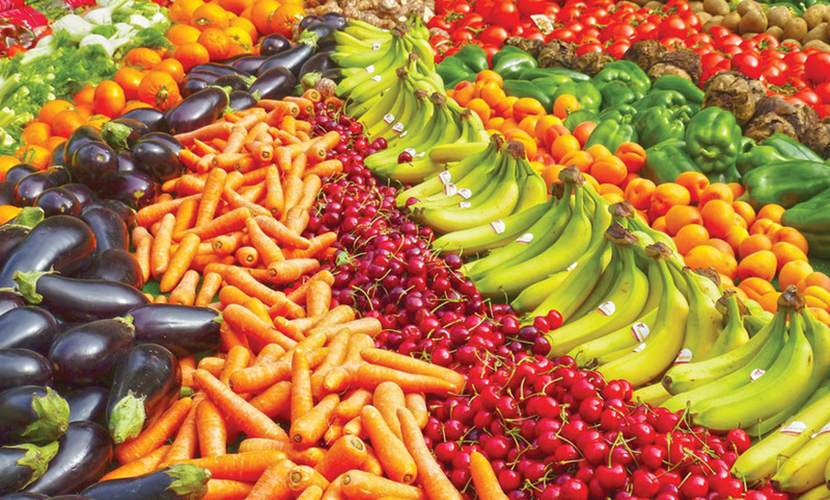
WTO member countries have issued and proposed 130 SPS notifications related to food safety and quarantine measures. Accordingly, these measures may affect Vietnamese export goods.
The Import-Export Department announced that it had received Official Dispatch No. 34/SPS-BNNMT dated January 9, 2026. Specifically, the dispatch was sent by the Vietnam SPS Office under the Ministry of Agriculture and Environment.
The document requests notification and comments on draft regulations concerning sanitary and phytosanitary (SPS) measures on food safety and animal and plant quarantine. Notably, the World Trade Organization (WTO) members issued these measures in December 2025.
Vietnamese export goods
Accordingly, the Import-Export Department has compiled 130 SPS notifications. Notably, these include 64 draft measures and 66 enacted legal documents related to food safety and animal and plant quarantine issued by WTO members. As a result, the measures may directly affect Vietnamese export goods of Vietnamese export companies.
For the Chinese market, the competent authorities of China have proposed establishing 807 maximum residue limits (MRLs). Therefore, these limits apply to 219 pesticide active substances remaining in food.
In the European Union, several notable proposed and newly issued measures have been introduced. These include clarifying the minimum information required in additional declarations of phytosanitary certificates concerning non-quarantine pests and adding new pest species to the quarantine list.
The EU has also introduced measures to prevent the entry, establishment, and spread of Spodoptera frugiperda. In addition, it has proposed new MRLs for certain active substances in or on specific products and issued Regulation (EU) 2025/2521 dated December 15, 2025. This regulation aims to prevent the introduction and spread within EU territory of Aromia bungii.
Regarding the United States, notified measures include the receipt of petitions related to pesticide residue tolerances for various commodities. Authorities have also established residue tolerances for isocycloseram and glufosinate on multiple commodities. In addition, they have set a tolerance level of one ppm for azoxystrobin residues on black pepper.
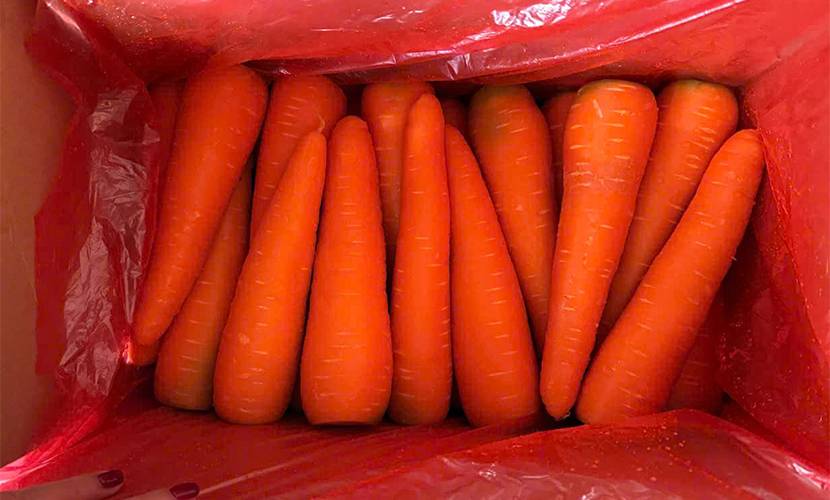
Vietnamese carrot exports
Japan has amended the Enforcement Decree of the Fisheries Resources Protection Act. Canada has introduced new import requirements for certain animal feed materials from countries identified as posing risks.
In the United Kingdom, authorities have established new maximum residue limits for several active substances and adjusted tolerance thresholds for flubendiamide in tea. They have also expanded the list of Vietnamese export goods subject to increased border inspections.
Other markets have introduced notable adjustments. South Korea has drafted amendments to its Special Act on the Safety Control of Imported Food. In the meanwhile, Taiwan has issued new standards on pesticide residue limits in food exports from Vietnam. Uruguay has proposed banning all uses of chlorpyrifos, with limited exceptions related to pest control.
Meanwhile, Russia and the Eurasian Economic Union (EAEU) have issued regulations concerning the importation, quarantine, and circulation of goods. Malaysia has amended its Food Act 1983, and Thailand has promulgated regulations on extraction solvents used in food production.
Vietnamese source: https://congthuong.vn/nhieu-thi-truong-dieu-chinh-quy-dinh-an-toan-thuc-pham-kiem-dich-440032.html