
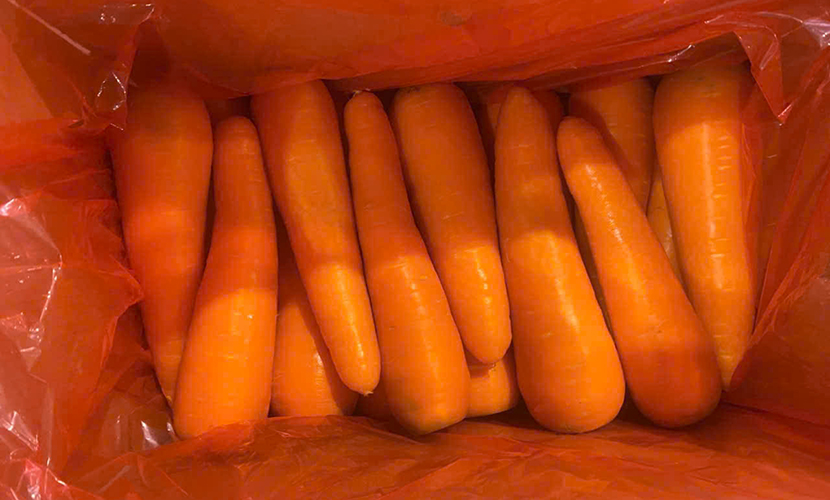
The potential for exports of Vietnamese carrot is very huge. This is because many foreign markets are showing a growing trend in consuming organic and clean agricultural products.
This information was available at the Conference on carrot consumption of Hai Duong province. The conference took place on the afternoon of October 26 in Cam Giang District, Hai Duong province.
The Hai Duong Department of Industry and Tradeevent organized this event in coordination with the Trade Promotion Agency. It formed in both in-person and online formats, with overseas connection points in China, India, Japan, Thailand, and other countries.
Mr. Tran Van Quan is the Vice Chairman of the Hai Duong Provincial People’s Committee. He stated that Hai Duong province currently has eight key agricultural product groups. More specifically, they included lychee, carrots, and 234 high-quality OCOP products.
Most products have applied scientific and technological advances and digital transformation. They have obtained planting area codes, Vietgap standards, and traceability systems, and developed value chain linkages. Many products have expanded into numerous markets, including high-end markets. As a result, they generate high economic value.
Exports of Vietnamese carrot
As for exports of Vietnamese carrot, they are one of Hai Duong Province’s eight key agricultural products. They are available in concentrated, large-scale areas with the application of high technology. Combined with favorable soil and climate conditions, this has created a distinctive quality and brand for Hai Duong carrots. They are famous for their characteristic crispness and sweetness.
Currently, Hai Duong Province maintains approximately 1,400 hectares of carrot cultivation, with an output of over 70,000 tons. Notably, 100% of this output follows safety standards to serve both domestic consumption and export markets.
In 2008, Cam Giang carrots received a collective trademark certificate by the Ministry of Science and Technology. This thereby contributed to affirming the value and brand of Hai Duong carrots in both domestic and international markets.
Exports of Vietnamese carrot have been available at markets in the Middle East, South Korea, Japan, Malaysia, and Thailand. Meanwhile, the remaining 30% is for domestic consumption in the form of fresh carrots, juice, jam, and dried carrots supplied as seasoning ingredients for instant food processing factories.
According to Mr. Tran Van Quan, these achievements have been possible thanks to trade promotion activities and market connections both domestically and internationally. In particular, the Trade Promotion Agency and the Vietnam Trade Offices abroad have played an important role.
To enhance the brand value for exports of Vietnamese carrot, the province held this conference. Through this conference, Vietnamese export businesses can quickly grasp guidelines, policies, tariff rates, and technical trade barriers in different countries.
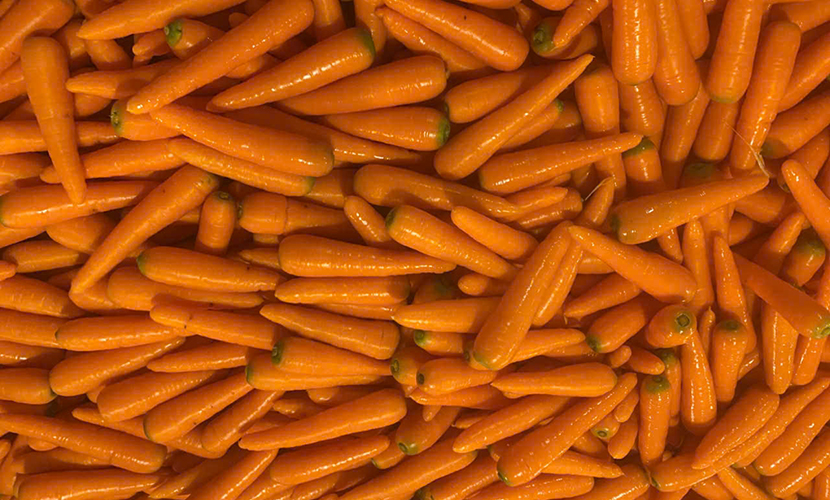
Vietnamese carrots
At the same time, trade counselors serve as channels to convey information about Vietnamese enterprises’ products with strong export potential and advantages. Thereby, they act as a “bridge” to connect buyers and sellers.
At the conference, representatives of Vietnam Trade Offices abroad presented the requirements and conditions for exporting agricultural products in various markets. In addition, they also highlighted the export potential for agricultural products in general, and carrots in particular.
On the business side, Vietnamese carrot enterprises shared information about their scale, potential, and advantages. Also, they shared the capacity to supply agricultural products and carrots to export markets. In addition, they discussed difficulties and limitations in promoting and expanding markets for Hai Duong carrots.
Ms. Vu Thi Kim Phuong is the Deputy Director of the Hai Duong Department of Industry and Trade. According to her, there are currently about 20 enterprises, cooperatives, and facilities in the province specializing in purchasing, preliminary processing, and exporting carrots. Each unit can process and package approximately 100 tons of fresh carrots per day.
Despite the achievements in agricultural product consumption in Hai Duong Province, there remain certain difficulties and limitations. Specifically, the province has a large agricultural output with concentrated harvest periods, while the cold storage system is still limited.
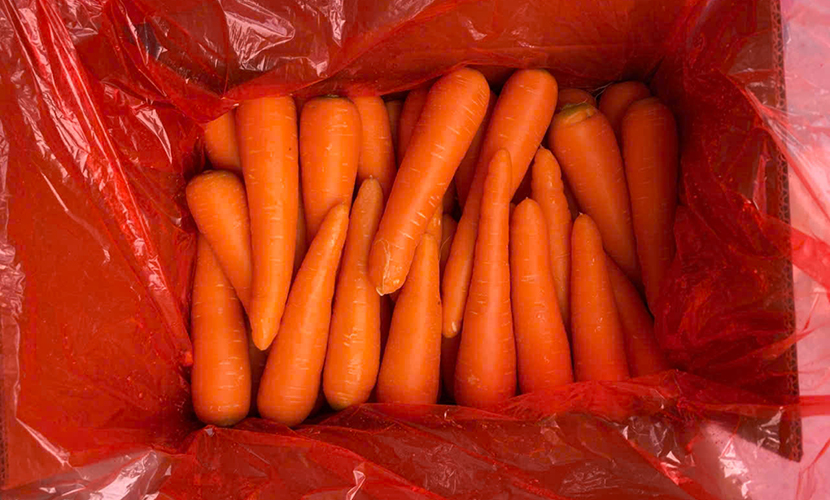
Vietnamese carrots: small size
In addition, post-harvest processing technologies are still underdeveloped. Moreover, preservation technologies have not yet met the requirements of large-scale commodity production and export. As a result, this leads to low and unstable added value for post-harvest products.
In addition, agricultural production following an agricultural economic model aimed at creating market-oriented commodities still faces shortcomings. Moreover, value chain linkages, especially contractual connections between production and product consumption, remain limited.
The number of enterprises participating in the production and export of agricultural products remains limited. In particular, there are still few large domestic and provincial companies involved in the production and export of carrots. Furthermore, their export market capacity is still weak.
“There are currently about 20 enterprises, cooperatives, and facilities in the province specializing in purchasing, preliminary processing, and exporting carrots. Each unit can process and package around 100 tons of fresh carrots per day,” Ms. Vu Thi Kim Phuong shared.
She also noted that businesses lack market information, particularly data on import–export conditions. This would enable them to sign large and stable export contracts, avoid price pressure, and reduce risks in international payment procedures.
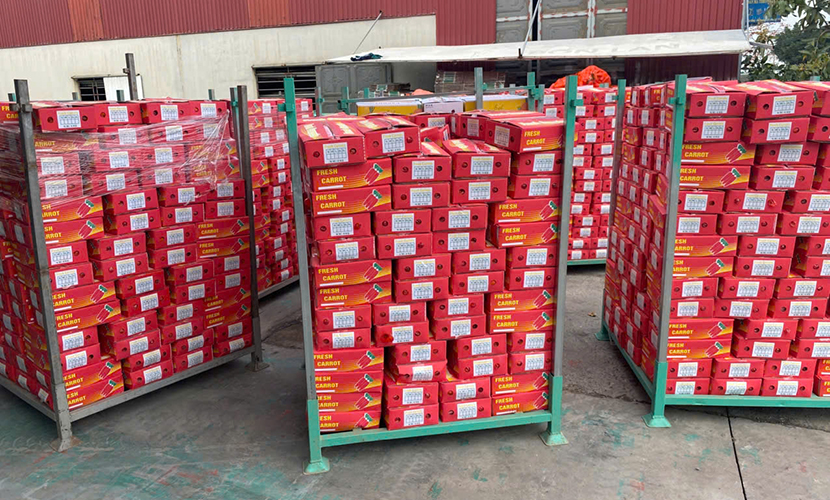
Vietnamese carrot boxes
Mr. Le Hoang Tai is the Deputy Director of the Trade Promotion Agency. He stated that for carrots, foreign markets have shown many positive signs in recent times. Several markets have opened to Vietnamese carrots. Therefore, the quality of Vietnamese carrots continues to be recognized.
South Korea is one of the main markets for exports of Vietnamese carrot. In addition, other key markets include Japan, Thailand, the Middle East, and the EU.
According to Mr. Le Hoang Tai, the export development potential of Vietnamese carrots in general, and Hai Duong carrots in particular, remains very large. This is because many foreign markets are increasingly consuming value-added products derived from organic and clean agricultural produce. These include products such as vegetable juices, dried vegetables, and vegetable-based confectionery.
Mr. Le Hoang Tai identified carrots as one of Hai Duong Province’s key crops that generate high income for farmers and businesses. Therefore, he also recommended that the province’s agricultural sector intensify research and restructure cultivation areas. This includes further expanding carrot growing areas in a green and organic direction. It also involves strictly controlling pesticide residues and pests, especially nematodes.
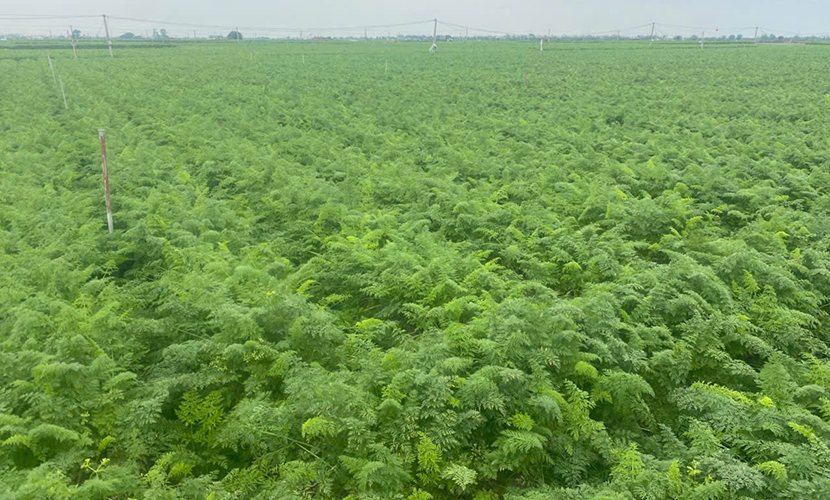
Vietnamese carrot farms
It also involves strongly promoting the application of VietGAP and GlobalGAP certifications, as well as traceability systems at farming areas. In this way, the province can enhance competitiveness, strengthen international credibility, and increase the attractiveness of Hai Duong carrots in major markets.
In addition, it is necessary to step up research and call for investment to establish and develop value-added chains. This will enable Hai Duong carrot products to access a wider range of export markets, reach larger customer segments, and increase the added value of exported carrot products.
For enterprises and cooperatives engaged in carrot cultivation and production, it is essential to promote the application of scientific and technological advances in product development. At the same time, they should establish linked value chain models to enhance export capacity.
As for the Trade Promotion Agency, it will continue to accompany Hai Duong Province in strengthening trade promotion activities. In addition, it will promote exports of Vietnamese carrot in particular, and agricultural products in general, in both domestic and international markets.
Vietnamese source: https://congthuong.vn/xuat-khau-ca-rot-nhieu-tin-hieu-tich-cuc-281381.html
If you are interested in Vietnamese carrot exports, please contact us:
Company: Agrideco Vietnam Co., Ltd.
Address: No 02, Alley 325 Kim Nguu, Vinh Tuy Ward, Hanoi, Vietnam
Tel/Kakao Talk/Whatsapp: +84 989 649 804
Website: https://agridecovietnam.com
Email: agridecovietnam@gmail.com