
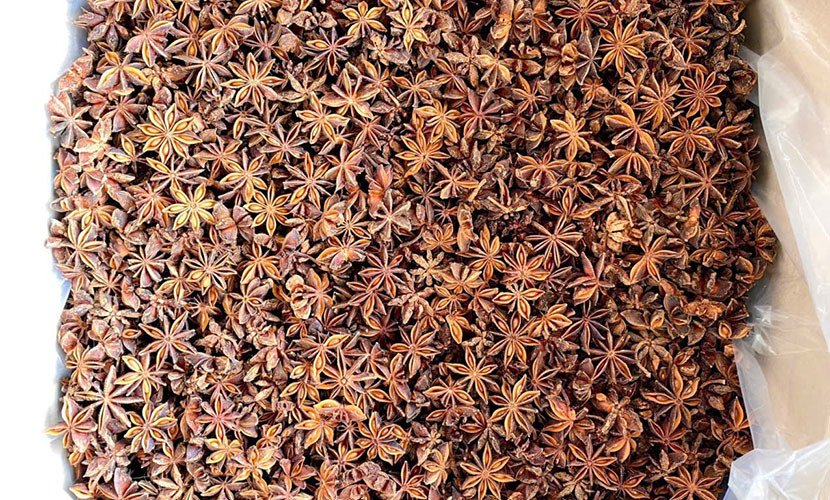
In the first two months of 2026, Vietnam’s star anise exports reached a total of 1,756 tons. Accordingly, the country earned approximately 7.1 million USD in export revenue. Both export volume and value experienced slight declines compared to the same period in 2025. However, Vietnamese star anise continued to maintain a stable position in Vietnam’s agricultural export sector.
Among all international markets, India remained the leading importer of Vietnamese star anise. More specifically, India accounted for 66% of Vietnam’s total export volume during this period. This demonstrates that India continues to play a vital role in sustaining demand for one of Vietnam’s most important spice products.
According to preliminary data, Vietnam exported 742 tons of star anise in February 2026 alone. The export turnover for the month reached 2.9 million USD. Compared with January 2026, both export volume and export value showed noticeable declines. Specifically, export volume fell by 26.8%, while export value decreased by 31.5%. These figures indicate a short-term adjustment in the market after the beginning of the year. This period often witnesses fluctuations in global demand, purchasing activity, and order schedules from international buyers.
Vietnam’s star anise exports
The decline in Vietnam’s star anise exports during February may also reflect seasonal changes in trading activity. Importers adjusted inventory levels and purchasing strategies following the early-year peak. Despite this temporary slowdown, Vietnam’s star anise industry continued to maintain stable export operations and preserve its presence in major international markets.
Regarding export destinations, India once again remained the most important market for Vietnamese star anise. In February alone, India imported 519 tons of the star anise from Vietnam. This represented the majority of total exports for the month. India’s continued dominance as the primary buyer reflects the strong and longstanding trade relationship between the two countries in the spice sector. Vietnamese star anise is highly valued in India due to its quality, aroma, and wide application in food processing, traditional medicine, and spice manufacturing.
Looking at the broader picture, Vietnam exported a total of 1,756 tons of star anise during the first two months of 2026. The country generated export revenue of 7.1 million USD. Compared with the same period in 2025, export volume declined by 13.3%. However, export value only decreased slightly by 0.9%. This relatively small decline in value suggests that export prices remained fairly stable despite lower shipment volumes. It also indicates that Vietnamese star anise continued to maintain its competitiveness and value in the global spice market.
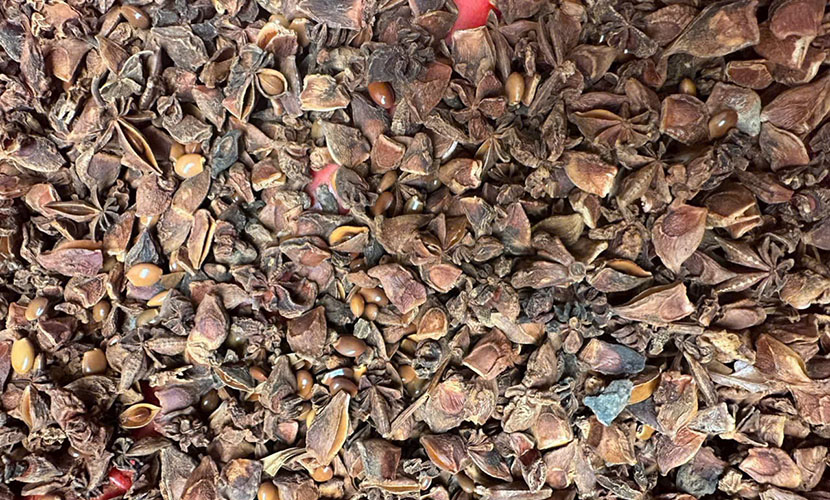
Broken star anise from Vietnam
From the perspective of export markets, India remained by far the largest importer of Vietnam’s star anise during the first two months of the year. The country imported 1,159 tons, despite a year-on-year decrease of 21.1%. Nevertheless, India still accounted for approximately 66% of Vietnam’s total star anise export market share. This overwhelming proportion highlights India’s strategic importance to Vietnam’s spice export industry. It also confirms the continued reliance of Indian importers on Vietnamese supply sources.
The United States ranked as the second-largest export market for Vietnamese star anise during the same period. Exports to the U.S. reached 93 tons. This represented a decline of 27.9% compared to the same period last year. The U.S. market accounted for 5.3% of Vietnam’s total star anise export share. Although export volume to the United States decreased, the market continues to remain an important destination with long-term growth potential. This is due to increasing consumer interest in natural spices, Asian cuisine, and herbal products.
In terms of business performance, several Vietnamese spice enterprises maintained strong export activity and continued to dominate the industry during the first two months of 2026. Rừng Xanh T & K remained the largest exporter with a total shipment volume of 343 tons. Hà Sơn followed with 239 tons, while Prosi Thăng Long ranked third with 223 tons exported. These companies not only contributed significantly to Vietnam’s overall export turnover. They also demonstrated the growing capability of domestic spice enterprises in meeting international market standards and customer demands.
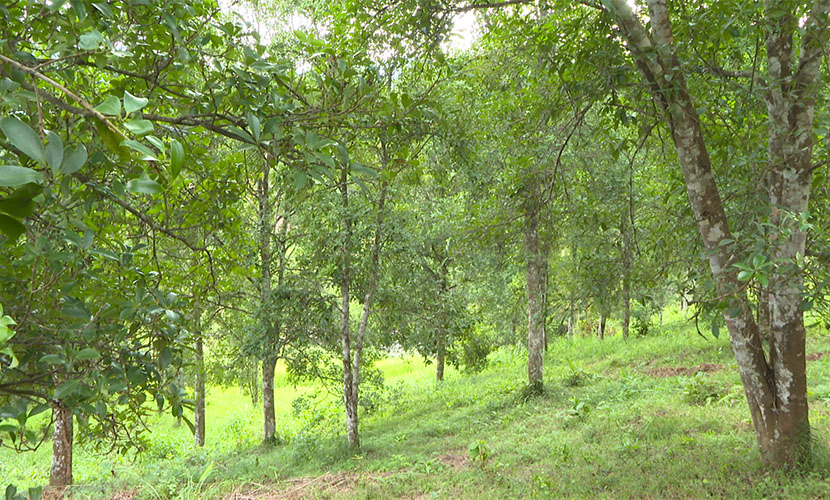
Vietnamese star anise forest
The performance of these leading exporters reflects the increasing professionalism and competitiveness of Vietnam’s spice industry. Through improvements in processing quality, packaging standards, and international trade connections, Vietnamese enterprises have been able to strengthen their position in global markets. In addition, maintaining stable export operations amid fluctuations in global demand shows the adaptability and resilience of the country’s agricultural export sector.
Overall, despite facing a slight decline in export volume during the first two months of 2026, Vietnam’s star anise industry continued to demonstrate stability and resilience. Export value remained relatively unchanged, while major markets such as India and the United States continued to import significant quantities of the product. The leading export enterprises also maintained strong performances. They contributed to the preservation of Vietnam’s role as one of the world’s important suppliers of star anise.
These export results further highlight the important role played by Vietnamese spice companies in sustaining international supply chains and promoting Vietnamese agricultural products in global markets. At the same time, they underline the long-term potential of Vietnam’s spice industry in expanding exports and improving product value. They also highlight opportunities to strengthen trade relations with major importing countries.
With continued efforts in quality improvement, market diversification, and trade promotion, Vietnam’s star anise exports are expected to maintain their position. In addition, they are likely to strengthen their competitiveness in the global market. They are also expected to create additional growth opportunities in the coming years.
Vietnamese source: https://thuehaiquan.tapchikinhtetaichinh.vn/xuat-khau-hoa-hoi-2-thang-dau-nam-dat-hon-7-trieu-usd-150722.html
If you are interested in Vietnamese star anise exports, please contact us:
Company: Agrideco Vietnam Co., Ltd.
Address: No 02, Alley 325 Kim Nguu, Vinh Tuy Ward, Hanoi, Vietnam
Tel/Kakao Talk/Whatsapp: +84 989 649 804
Website: https://agridecovietnam.com
Email: agridecovietnam@gmail.com