
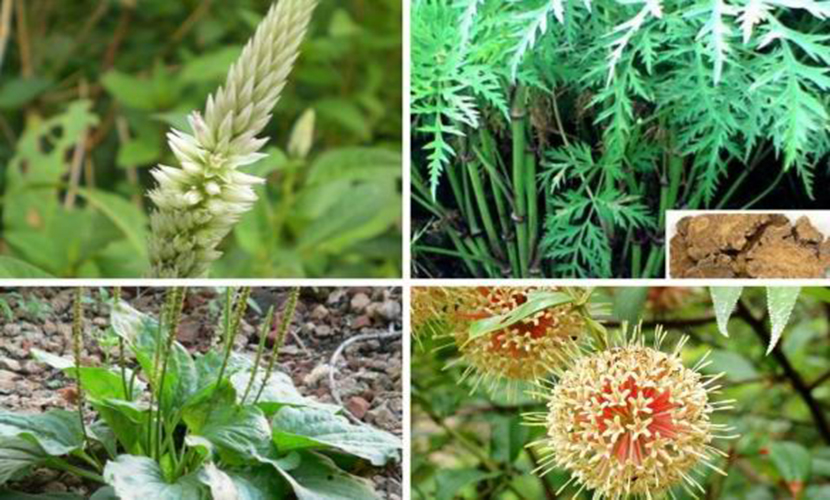
In recent years, Vietnamese medicinal herbs have become a highly profitable crop for farmers in Lào Cai. They have provided a pathway out of poverty while creating opportunities for sustainable income growth and legitimate wealth creation. However, the conservation and development of medicinal herbs have yet to match the province’s considerable potential and advantages.
In response, Lào Cai has introduced a number of development programs. These initiatives encourage businesses, cooperatives, and farmers to invest in the cultivation and development of medicinal herbs.
To promote comprehensive and sustainable agricultural and rural development, the Lào Cai Provincial Party Committee issued Project No. 01 on restructuring the province’s agriculture and forestry sectors for the 2016–2020 period. The project focused on maximizing the strengths and potential of each region and locality. It identified Vietnamese medicinal herbs as one of the province’s strategic crops.
As consumers in developed countries increasingly favor products from natural ingredients, Lào Cai has identified medicinal herbs as a promising high-value crop. The province is converting low-yield, single-crop farmland into medicinal herb cultivation. It has directed the Department of Agriculture and Rural Development and local authorities to restore and expand medicinal plant production.
Bắc Hà is one of the localities that has actively encouraged communes with suitable conditions. It has converted low-yield maize and rice fields into medicinal herb cultivation. This approach has delivered encouraging results and contributed significantly to local agricultural development.
Bản Già is a highland commune with 234 households and is home primarily to the H’Mông ethnic community. Among them, 175 households are classified as poor. Since 2016, under the district’s development plan, the commune has allocated more than 4 hectares for cultivating Vietnamese medicinal herbs. Well suited to the local climate and soil conditions and supported by proper cultivation practices, the crop has grown successfully. It generates incomes three to four times higher than those earned from maize or rice cultivation.
Similarly, Lùng Phình Commune is one of eight highland communes designated as a medicinal herb cultivation zone in Bắc Hà District. It has introduced four main medicinal crops: artichoke, Angelica sinensis, red sage (Salvia miltiorrhiza), and balloon flower (Platycodon grandiflorus).
These crops have proven well suited to the local climate and soil conditions, generating high economic returns. On average, each hectare of medicinal herbs in Lùng Phình generates revenue of VND 80–200 million. This enables many local households to escape poverty and achieve sustainable prosperity.
Vietnamese madicinal herbs
In 2019, medicinal herb growers in Bắc Hà continued to receive government support for cultivating approximately 50 hectares under the 2016–2019 Medicinal Herb Development Project. This helped secure stable market outlets for planned production. Several Vietnamese herbal businesses and local residents also invested in an additional 40 hectares.
Participating farmers actively adopted cultivation and management techniques, ensuring healthy crop growth. As a result, many households earned average annual incomes of VND 50–60 million. Meanwhile, numerous others generated more than VND 100 million each year.
Mr. Nguyễn Tiến Hồng is the Deputy Head of the Bắc Hà District Department of Agriculture and Rural Development. He said that the district expanded medicinal herb cultivation during the Spring 2020 crop season. It planted a total of 105 hectares. Of this area, 38 hectares received government support. Businesses and local residents independently developed the remaining 67 hectares. They primarily cultivated Angelica sinensis and balloon flower.
By the end of 2019, Lào Cai Province had 1,815 hectares of medicinal herbs, an increase of 21% compared with the previous year, with total production reaching 52,500 tonnes. Of this, 8,272 tonnes came from cultivated medicinal herbs, while the remainder was harvested from forest-understory production. Average income ranged from VND 120 million to VND 240 million per hectare. Some medicinal herb species generated more than VND 600 million per hectare.
To date, four Vietnamese medicinal herbs cultivated in Lào Cai have achieved concentrated commercial production. They have also been certified by the Ministry of Health as meeting the Good Agricultural and Collection Practices (GACP-WHO) standards recommended by the World Health Organization. These include artichokes grown in Sa Pa District, vine tea harvested in Sa Pa and Bát Xát districts, Angelica sinensis cultivated in Bắc Hà District, and Ligusticum wallichii grown in Bát Xát District.
In addition, the province is home to 10 companies, enterprises, cooperatives, and individual businesses involved in production partnerships and medicinal herb procurement. Together, they purchase more than 3,000 tonnes of Vietnamese medicinal herbs each year. Production linkages have gradually taken shape, while growers have increasingly adopted advanced cultivation techniques to improve both productivity and product quality.
Despite these achievements, the conservation and development of Vietnamese medicinal herbs have yet to fully reflect the province’s considerable potential and competitive advantages. Recognizing this, the Lào Cai Provincial People’s Committee approved the Lào Cai Medicinal Herb Development Plan to 2020 with a Vision to 2030. The plan focuses on expanding medicinal herb cultivation in the districts of Sa Pa, Bắc Hà, Bát Xát, Si Ma Cai, Mường Khương, and Văn Bàn.
Under the plan, Lào Cai aims to develop 3,500 hectares of Vietnamese medicinal herbs by 2030, focusing on 22 key medicinal plant species with an annual output exceeding 11,000 tonnes. The province also plans to expand cultivation areas to supply raw materials for domestic pharmaceutical manufacturers and processing companies.
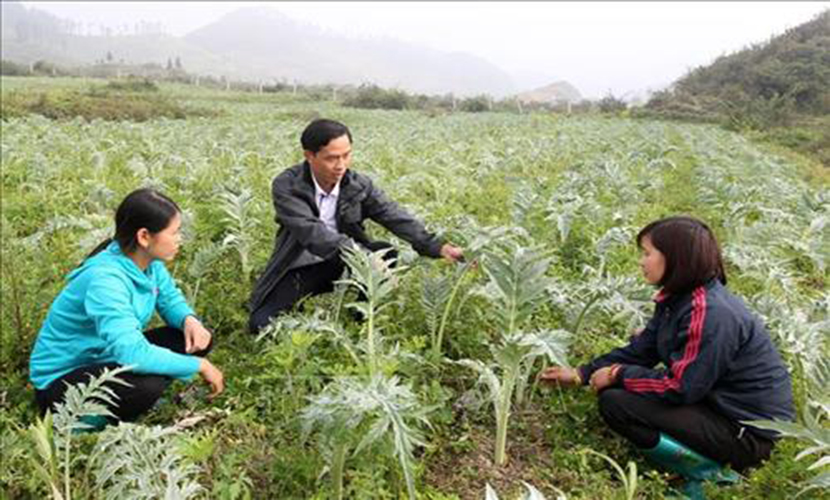
Vietnamese herb farm
Earlier, to encourage businesses, cooperatives, and farmers to invest in medicinal herb production, the provincial government issued Decision No. 1214/QĐ-UBND. The decision established the principles and list of key agricultural products eligible for priority support under production-consumption linkage programs during 2019–2020. Medicinal herbs, including Angelica sinensis, Ligusticum wallichii, balloon flower, codonopsis, Panax notoginseng, job’s tears, artichoke, and purple cardamom, were included among the priority products.
The Lào Cai Department of Agriculture and Rural Development also directed local authorities to continue flexibly converting agricultural land during 2020. This included maize fields, annual crop land, and portions of production forests for medicinal herb cultivation. The province has promoted the expansion of forest-understory medicinal herbs alongside forest conservation and sustainable livelihoods for local communities. It has also strengthened cooperation with businesses and research institutes to develop high-quality planting materials and improve production and marketing.
Mr. Nguyễn Anh Tuấn is the Director of the Lào Cai Department of Agriculture and Rural Development. He stated that local authorities should review and clearly identify suitable cultivation zones based on provincial planning and market demand. They should also develop targeted medicinal herb expansion plans, prioritize forest-understory cultivation, and gradually establish GACP-WHO-certified production areas.
He also emphasized the importance of cooperation among localities and neighboring provinces. This cooperation would help build large-scale medicinal herb production zones. It would also create integrated value chains covering cultivation, primary processing, processing, distribution, and marketing.
In addition, Lào Cai plans to build a regional brand for its medicinal herbs and assign identification codes to cultivation areas. The province will guide producers and businesses in registering product codes and barcodes to ensure full traceability. It will also strengthen trade promotion activities linked to the One Commune One Product (OCOP) program to develop medicinal herb products that reflect Lào Cai’s unique identity.
For more information about Vietnamese medicinal herbs, please contact us:
Company: Agrideco Vietnam Co., Ltd.
Address: No 02, Alley 325 Kim Nguu, Vinh Tuy Ward, Hanoi, Vietnam
Tel/Kakao Talk/Whatsapp: +84 989 649 804
Website: https://agridecovietnam.com
Email: agridecovietnam@gmail.com