
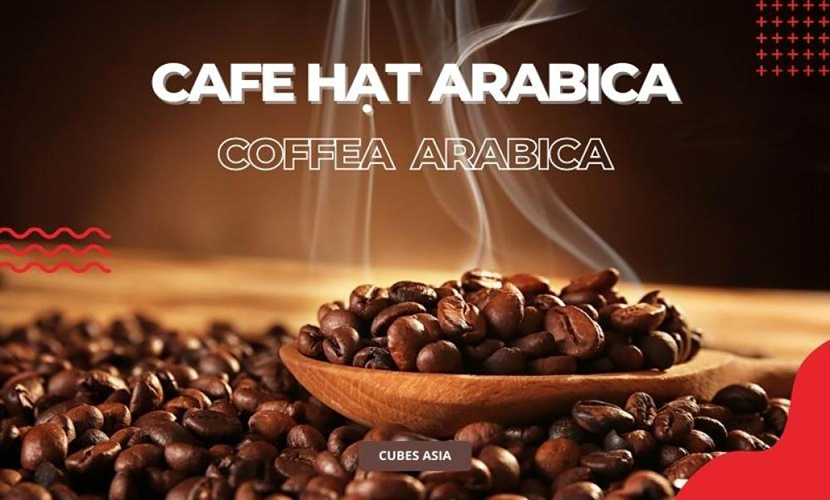
Điện Biên has chosen to develop integrated value chains, apply science and technology, embrace digital transformation, and promote deep processing. These strategies are helping elevate Vietnamese arabica coffee in premium export markets.
Điện Biên has long been proud for its high-quality arabica coffee. It is now shaping a new development strategy for its coffee industry. The province has chosen a value-added approach for developing its coffee industry. Its key growth drivers include science and technology, digital transformation, deep processing, and export markets.
This strategy aligns with the broader transformation of Vietnam’s coffee industry. It is shifting its focus from increasing production volume to improving quality. This approach aims to meet the increasingly stringent standards of international markets.
Mr. Lê Xuân Cảnh is the Director of the Điện Biên Department of Agriculture and Environment. He stated that Vietnamese arabica coffee has been one of the province’s key agricultural products. The province’s development strategy focuses not only on expanding production but, more importantly, on increasing value per unit of land. It also aims to secure stable market outlets and improve farmers’ incomes.
Vietnamese arabica coffee
Điện Biên currently has approximately 8,500 hectares of Vietnamese arabica coffee, ranking third nationwide after Sơn La and Lâm Đồng. In 2026, the province aims to develop an additional 6,000 hectares of Arabica coffee. This expansion will bring the total growing area to nearly 20,000 hectares in line with the Resolution of the Provincial Party Congress.
However, Mr. Lê Xuân Cảnh emphasized that expanding cultivation alone is not enough. The long-term goal is to establish a complete value chain, covering variety selection, improved cultivation practices, and raw material area development. It also includes deep processing, market expansion, and exports.
“There are still around 300,000 hectares of land suitable for conversion, providing significant potential for developing high-value industrial crops. However, expanding raw material areas should align with market demand and consumption capacity, particularly in the premium coffee segment. At the same time, it is essential to develop the processing industry and build strong brands. It is also necessary to complete growing area codes, obtain geographical indications, and meet export standards,” Mr. Cảnh said.
Dr. Phan Việt Hà is the Acting Deputy Director of the Western Highlands Agriculture and Forestry Science Institute (WASI). According to him, many forecasts suggest that by 2050, arabica-growing areas in many traditional producing countries could decline by around 50% due to climate change. This presents an opportunity for regions with suitable ecological conditions, such as Điện Biên, to expand high-quality arabica production.
However, Vietnamese arabica coffee requires strict ecological conditions to thrive. It can only achieve its full quality potential in areas with appropriate altitude, temperature, and climate. Therefore, any expansion should base on scientific assessment rather than short-term trends. Dr. Hà also stressed that Điện Biên should clearly define its development direction from the outset. Specifically, it should determine whether it aims to produce specialty coffee, premium-quality coffee, or commercial coffee. This would allow it to establish appropriate production processes and market strategies.
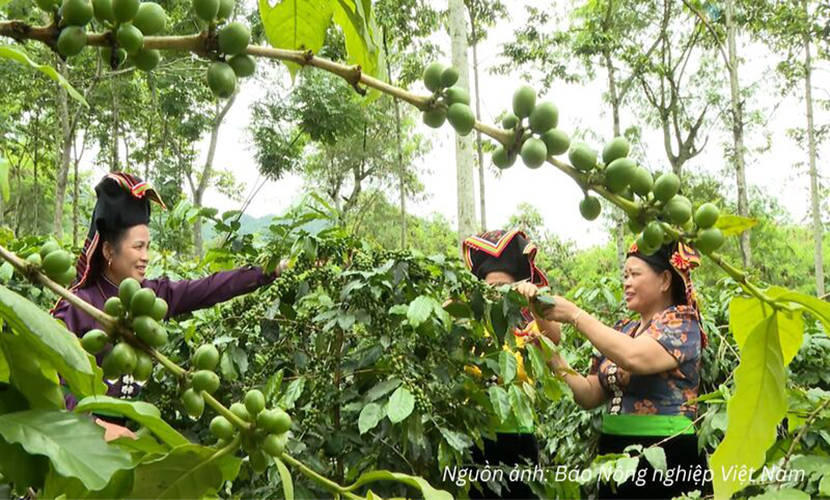
Vietnamese coffee farm
Mr. Nguyễn Quý Dương is the Deputy Director General of the Department of Crop Production and Plant Protection. He noted that Vietnam’s total coffee-growing area has already exceeded the national planning target. However, Vietnamese arabica coffee still offers substantial room for growth because of its high economic value and potential to become a specialty coffee. However, he emphasized that Điện Biên’s competitive advantage does not lie in matching the production scale of traditional coffee-growing regions. Instead, it lies in building a distinctive arabica brand.
Mr. Lê Đức Huy is the Vice Chairman of the Vietnam Coffee and Cocoa Association. He said that Điện Biên enjoys the advantage of being a “late mover,” allowing it to build a modern coffee industry from the outset. Rather than having to restructure a coffee-growing area spanning hundreds of thousands of hectares, as many other provinces have done, Điện Biên’s planned cultivation area of around 20,000 hectares makes it easier to adopt modern management models.
Mr. Huy suggested that Điện Biên should aim to become the first province in Vietnam to fully digitalize its coffee industry. This could be achieved by establishing an integrated database for raw material areas, production management, and traceability. Such a system should be developed from the early stages of plantation expansion.
He noted that digital transformation would not only help producers comply with increasingly stringent market regulations, such as the European Union Deforestation Regulation (EUDR). It would also strengthen management capacity and enhance the competitiveness of the Điện Biên Arabica coffee brand.
In addition to digital transformation, quality must be consistently controlled throughout the entire value chain. Every stage—from cultivation and harvesting to primary processing, deep processing, and storage—should be standardized to ensure the uniform quality of each export shipment. A single weak link could undermine the reputation of the entire production area.
At the same time, Điện Biên should leverage its cultural heritage and tourism resources to create additional value for its coffee products. “Besides having a climate and soil well suited to Vietnamese arabica coffee cultivation, the province also boasts the unique culture, history, and landscapes of Vietnam’s Northwest region. Combining coffee production with experiential tourism will help build the image of a specialty coffee destination and generate value beyond the coffee bean itself,” Mr. Huy said.
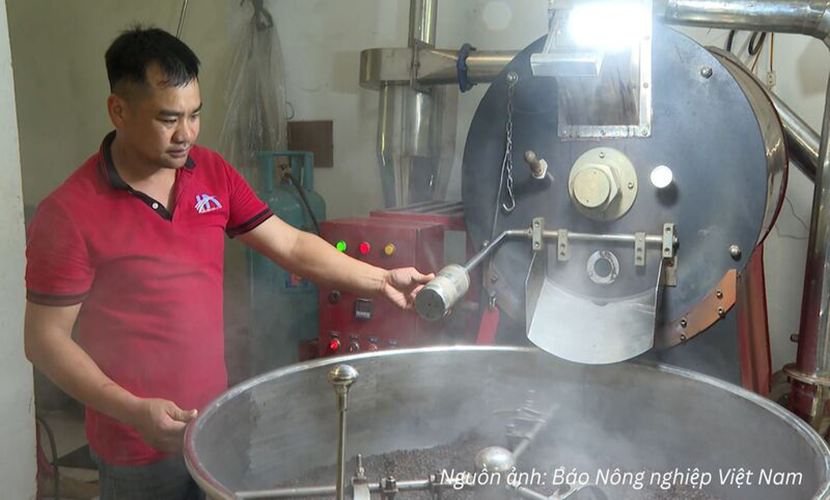
Vietnamese coffee processing
From a branding perspective, Mr. Lê Minh Cường, Director of HSDC Trading and Services Co., Ltd., argued that Điện Biên Arabica should be positioned as a product with a distinctive identity rather than simply an agricultural commodity. The story of the land, its people, and local culture should be consistently reflected through branding, packaging, and product design. “Packaging is not only for product protection but also serves as a commitment to quality. It is also a key factor in building consumer trust,” he said.
Mr. Phạm Ngọc Mậu is the Deputy Director General of the Department of International Cooperation. He emphasized that branding strategies must be the result of market demand. Vietnamese coffee businesses should study consumer preferences in each target market, including expectations for quality, sustainability, packaging, and product storytelling. Rather than relying solely on their existing advantages, they should adapt their strategies to meet market demand.
According to Mr. Mậu, exports remain the most effective way to increase the value of Vietnam’s coffee industry. However, success depends on building a strong brand capable of meeting increasingly stringent technical requirements. This means that Điện Biên arabica must fully comply with standards on traceability, emissions reduction, sustainable production, and supply chain transparency.
Industry experts believe that Điện Biên’s coffee development strategy is shifting from simply expanding cultivation to developing a complete coffee industry. The objective is not merely to increase the arabica-growing area but to build a modern production ecosystem that integrates scientific research, raw material zones, processing enterprises, and export markets.
If successfully implemented, this strategy could strengthen the position of Điện Biên arabica on Vietnam’s specialty coffee map. It could also create new growth opportunities for the country’s coffee sector as global markets increasingly prioritize quality, sustainability, and brand value.
For more information about Vietnamese arabica coffee, please contact us:
Company: Agrideco Vietnam Co., Ltd.
Address: No 02, Alley 325 Kim Nguu, Vinh Tuy Ward, Hanoi, Vietnam
Tel/Kakao Talk/Whatsapp: +84 989 649 804
Website: https://agridecovietnam.com
Email: agridecovietnam@gmail.com