
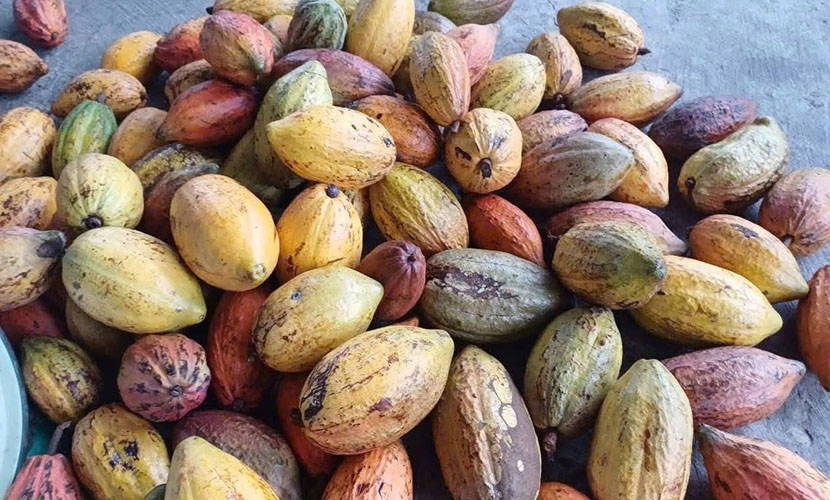
Despite possessing one of the world’s rare sources of high-quality cocoa beans, Vietnam continues to run a chocolate trade deficit. In fact, imported products account for as much as 60% of the domestic retail market. This paradox underscores the urgent need to promote deep processing and increase value addition throughout the cocoa-to-chocolate chain. As a result, a more sustainable development of the value chain is necessary for Vietnamese cocoa products.
Vietnam is gradually establishing its position on the global cocoa map, despite its relatively modest production volume. Each year, the country exports around 2,000–3,500 tons of Vietnamese cocoa products, far less than major producers such as Indonesia, Côte d’Ivoire, and Malaysia. However, the International Cocoa Organization have recognized Vietnamese cocoa beans as among the rare group of fine-flavor cocoas. Their export markets range from Malaysia and Japan to Europe and the United States.
The chocolate confectionery market has been expanding steadily as younger generations gain greater exposure to Western culture. Chocolate has become a meaningful gift for loved ones, friends, and corporate clients on occasions such as Valentine’s Day, Christmas, weddings, and New Year celebrations.
Cocoa is the primary ingredient in the chocolate production industry. After processing, cocoa beans are ground and separated into cocoa butter and cocoa powder. White chocolate is made from cocoa butter combined with sugar and milk, while dark chocolate contains cocoa powder as well. The higher the cocoa content, the more bitter and less sweet the chocolate becomes. This preference for higher cocoa content is increasingly popular among consumers in the premium market segment.
Vietnamese cocoa products
Beyond exporting raw materials, many Vietnamese cocoa enterprises have invested in deep processing. Vietnamese cocoa products are now available in more than 20 countries. According to international experts, Vietnam’s relatively small cocoa industry can actually be an advantage. It allows producers to focus on premium quality and distinctive flavors that cater to high-end market segments. In particular, Fine Flavor Cocoa offers significant opportunities for exporting premium chocolate to demanding markets such as Japan, Europe, and North America.
Nevertheless, Vietnam’s cocoa industry continues to face numerous challenges. Despite its considerable potential, production and exports remain limited and have yet to fully capitalize on the country’s advantages. Vietnam still runs a chocolate trade deficit, with imported products accounting for as much as 60% of the domestic retail market. Moreover, imports are growing by 15–20% annually.
The main reasons are the relatively weak competitiveness of domestic products in terms of quality, packaging, and premium positioning. In addition, the high costs associated with chocolate production and storage have led many businesses to rely on imports rather than manufacture locally. Addressing these challenges is essential for ensuring the sustainable development of Vietnam’s cocoa industry. It is also necessary to increase value addition across the supply chain.
Mr. Le Van Hoang is the Director of a Vietnam’s cocoa company. He shared that the company first became involved in cocoa cultivation in 2017. At that time, post-harvest processing practices among farmers in Vietnam’s Central Highlands had not yet met quality standards. In response, the company proactively conducted research, organized processing activities, and sought market opportunities. By 2017–2018, its high-quality cocoa product lines had gradually been refined. As a result, the company was able to attract major customers.
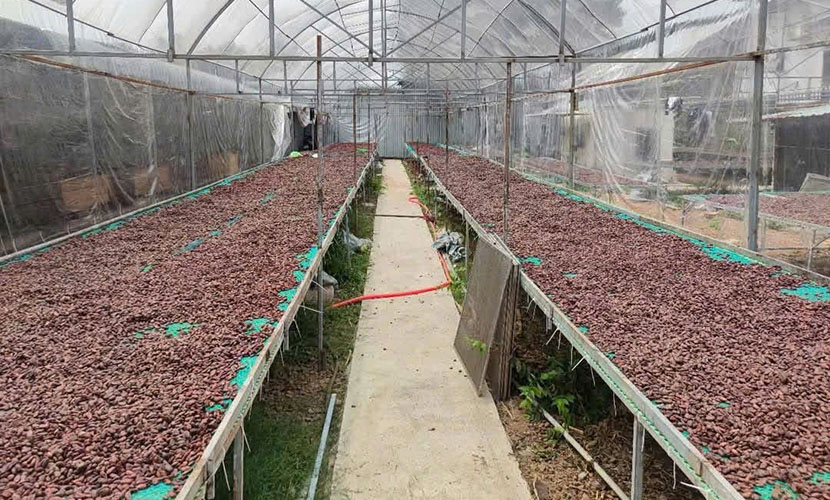
Vietnamese cocoa beans
The company has since established a stable raw material base, partnering with numerous farming households while providing continuous training. According to Mr. Hoang, the key factors in building strong relationships with farmers are credibility and clear economic benefits. The company organizes hands-on training and demonstration programs. This allows farmers to directly assess the effectiveness of new production methods.
Once successful results are achieved, the company commits to purchasing cocoa at prices higher than prevailing market rates. In addition, it supports farmers with infrastructure such as post-harvest processing facilities and production equipment. This helps reduce labor requirements and improve efficiency.
Farmer groups and cooperative teams have also been established, with growers participating in quality assessments through tasting sessions and internal competitions. Vietnamese cocoa that meet the required standards is selling at premiums of VND 15,000–20,000 per kilogram above market prices. This creates strong incentives for farmers to improve quality.
Currently, the company works with around five cooperatives and more than 100 coffee-growing households. In the cocoa sector alone, it partners with six to seven cooperatives. This helps build a stable and sustainable supply of raw materials.
The company’s chocolate products are not only available in the domestic market but have also reached international consumers in Japan and the United States. It previously operated a retail outlet in Osaka and continues to maintain distribution channels there. The company’s two core product lines are coffee and cocoa, with the latter undergoing deep processing into chocolate products.
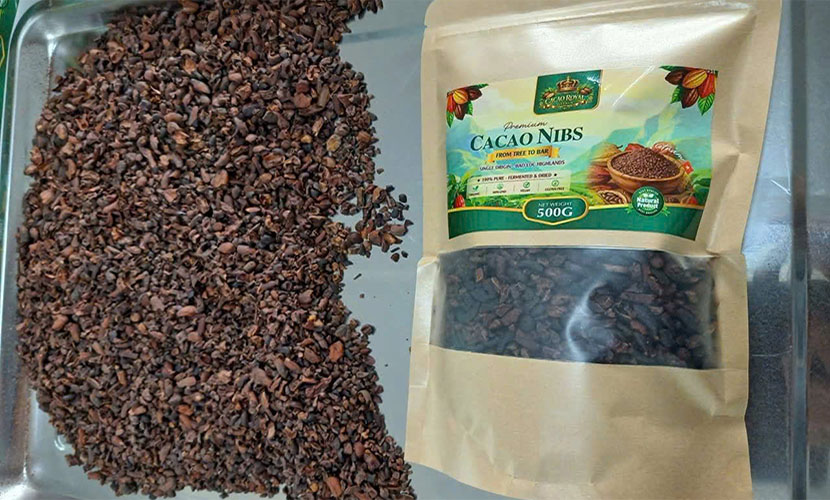
Vietnamese cocoa nibs
Notably, every production batch is accompanied by a detailed “product dossier.” This document records information on the growing area, processing methods, and quality standards, ensuring full traceability throughout the supply chain.
According to Mr. Hoang, raw material zones and post-harvest processing practices are the decisive factors in the cocoa industry. At present, only a limited number of Vietnamese export businesses have made systematic investments in these areas. This creates significant opportunities for pioneering enterprises. The company is currently developing more than 100 hectares of cocoa plantations. It is also experimenting with premium product lines aimed at participating in international competitions.
Mr. To Xuan Phuc, an expert from Forest Trends, noted that the global chocolate market value reached USD 130.72 billion in 2024. He added that the market is likely to reach USD 172.89 billion by 2030. This represents an average annual growth rate of 4.17%. Demand for organic, vegan, and sugar-free chocolate products is expanding rapidly.
Meanwhile, Vietnam’s cocoa production remains relatively modest at around 6,000 tons per year. However, its high-quality cocoa beans provide a strong foundation for domestic businesses to compete in premium market segments.
If you are interested in Vietnamese cocoa exports, please contact us:
Company: Agrideco Vietnam Co., Ltd.
Address: No 02, Alley 325 Kim Nguu, Vinh Tuy Ward, Hanoi, Vietnam
Tel/Kakao Talk/Whatsapp: +84 989 649 804
Website: https://agridecovietnam.com
Email: agridecovietnam@gmail.com