
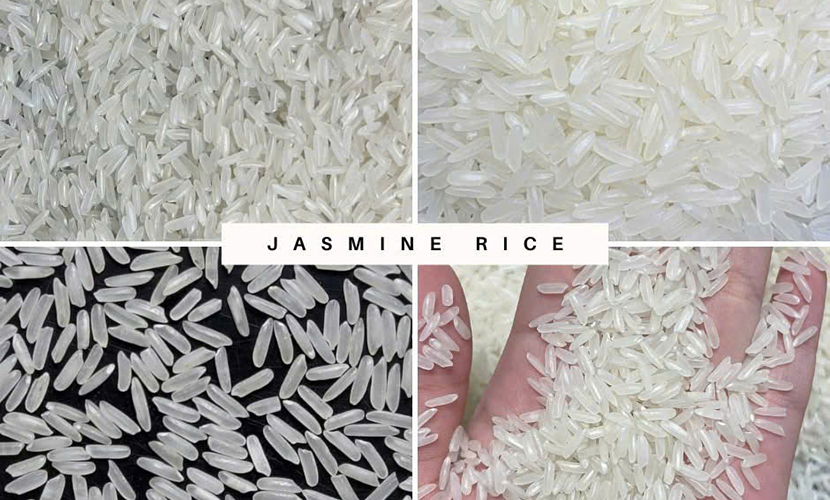
Germany’s growing rice imports are creating substantial opportunities for Vietnam’s rice enterprises. In particular, fragrant rice, organic rice, and other Vietnam-origin rice exports will benefit from this trend.
Germany is emerging as one of the most attractive rice import markets in the European Union (EU). Demand continues to rise, particularly for fragrant rice, premium-quality rice, and organic products. Unlike many Asian countries, Germany produces virtually no rice due to unsuitable climatic conditions. As a result, all domestic consumption needs rely on imports. In addition, part of the demand for redistribution to other EU countries is also met through imports.
Germany’s rice imports increased steadily between 2021 and 2025. The import value rose from approximately USD 449 million to nearly USD 618 million during the period. This represented growth of 37.6% over the five-year period. This trend reflects expanding rice consumption in Germany. It is being driven by a rapidly growing immigrant population, the expansion of Asian communities, and increasing demand for healthy food products.
The most popular rice varieties in the German market currently include Basmati rice, Jasmine rice, fragrant rice, and brown rice. Organic rice, sushi rice, and other specialty rice products are also gaining strong consumer interest.
Vietnam-origin rice exports
In terms of supply structure, Italy remained Germany’s largest rice supplier in 2025. Its export turnover reached approximately USD 183.3 million, accounting for nearly 30% of Germany’s total rice imports. Italy’s advantages stem from its location within the EU and its efficient logistics networks. In addition, the country can supply Japonica rice, risotto rice, and processed rice products tailored to European retail channels.
However, recent trends indicate that Asian suppliers are gaining ground. India has recorded the strongest growth, with rice exports to Germany increasing from USD 39.7 million in 2021 to around USD 90.7 million in 2025. This represented a rise of more than 128%, largely driven by strong demand for Basmati rice.
Meanwhile, Pakistan has maintained a stable position in the mid-range Basmati rice segment. Thailand and Cambodia continue to hold advantages in the premium fragrant rice category. Cambodia has posted particularly strong growth thanks to its aromatic rice varieties, which are highly popular by European consumers.
Against this backdrop, Vietnamese rice still has considerable room to expand its market share. This is especially true in premium segments such as ST24 and ST25 fragrant rice, organic rice, and low-carbon rice. Vietnam-origin rice exports align well with Europe’s growing preference for sustainable and environmentally friendly consumption.
According to the Vietnam Trade Office in Germany, as a member of the European Union (EU), Germany fully applies the bloc’s common standards and regulations for imported food products. It is widely regarded as one of the most demanding markets in the world in terms of technical requirements.
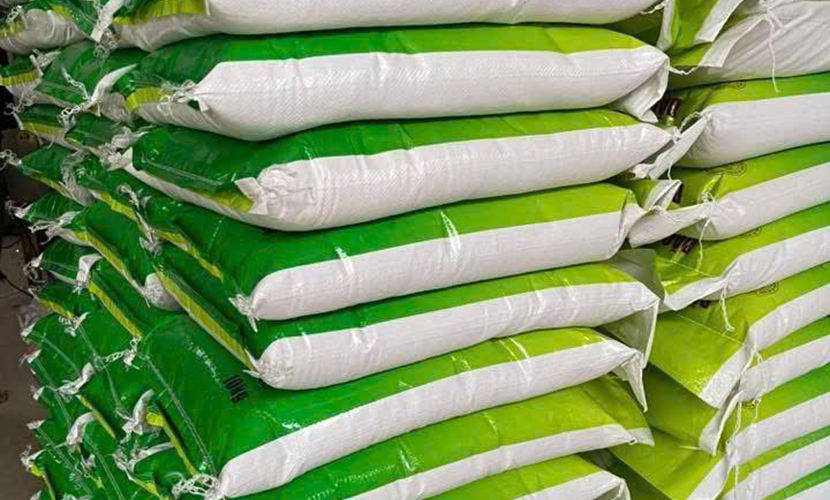
Vietnamese rice bags
For rice exports, Vietnamese rice businesses must strictly comply with regulations on food safety and traceability. They must also meet requirements regarding pesticide residue limits, packaging, and labeling standards on Vietnam-origin rice exports.
Vietnam-origin rice exports must meet the requirements of EU Regulation No. 1169/2011 on food information for consumers. Labels must provide comprehensive information, including the product name, ingredients, net weight, and expiration date. They must also include storage conditions, the responsible entity within the EU, the country of origin, and nutritional information.
At the same time, the traceability system established under EU Regulation No. 178/2002 is highly valued by importers and retail chains. Exporters must be able to provide full traceability records for Vietnam-origin rice exports. These records should cover cultivation areas, milling facilities, shipment batches, and relevant testing documentation.
In addition to mandatory legal requirements, many major German importers require suppliers to hold internationally recognized certifications. These may include HACCP, ISO 22000, BRCGS, IFS Food, GlobalG.A.P., or EU Organic certification.
In terms of distribution channels, Germany has a diverse import and retail network. Alongside major importers such as Lotao GmbH, Rapunzel Naturkost GmbH, Global Foods Trading GmbH, and Kreyenhop & Kluge GmbH, Asian supermarket chains have become important sales channels for Vietnam’s rice. These include Go Asia and Vinh Loi Asien Supermarkt, as well as hundreds of Asian food stores.
The Vietnam Trade Office in Germany noted that the EU–Vietnam Free Trade Agreement (EVFTA) provides a significant advantage for Vietnamese rice exporters. Under the agreement, the EU grants Vietnam a tariff-rate quota of 80,000 tons of rice annually at a zero-percent tariff rate. The quota includes 30,000 tons of milled rice, 20,000 tons of unmilled rice, and 30,000 tons of fragrant rice.
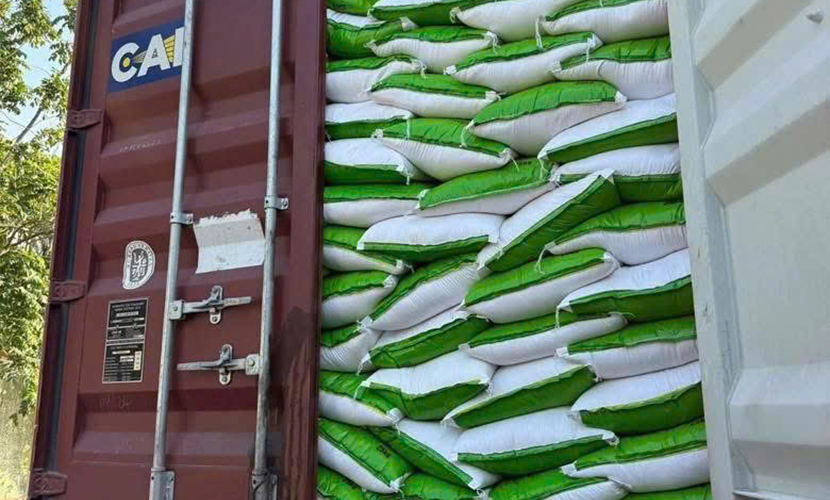
Vietnamese rice loading
To fully benefit from these preferences, exporters must comply with the agreement’s rules of origin for Vietnam-origin rice exports. In addition, they must use either the EUR.1 certificate of origin or the self-certification mechanism provided under EVFTA regulations.
According to the Trade Office, Vietnamese export businesses should not focus on competing on price in the mass-market segment. Instead, they should prioritize developing higher value-added products such as ST24 and ST25 fragrant rice, organic rice, low-carbon rice, and processed rice products.
At the same time, they should invest in brand building and promote the stories behind their production regions. In addition, they should strengthen their capacity to meet the EU’s increasingly stringent sustainability standards.
Vietnamese source: https://giaothuong.congthuong.vn/gao-viet-them-co-hoi-tai-thi-truong-duc-459477.html
If you are interested in Vietnamese rice exports, please contact us:
Company: Agrideco Vietnam Co., Ltd.
Address: No 02, Alley 325 Kim Nguu, Vinh Tuy Ward, Hanoi, Vietnam
Tel/Kakao Talk/Whatsapp: +84 989 649 804
Website: https://agridecovietnam.com
Email: agridecovietnam@gmail.com