
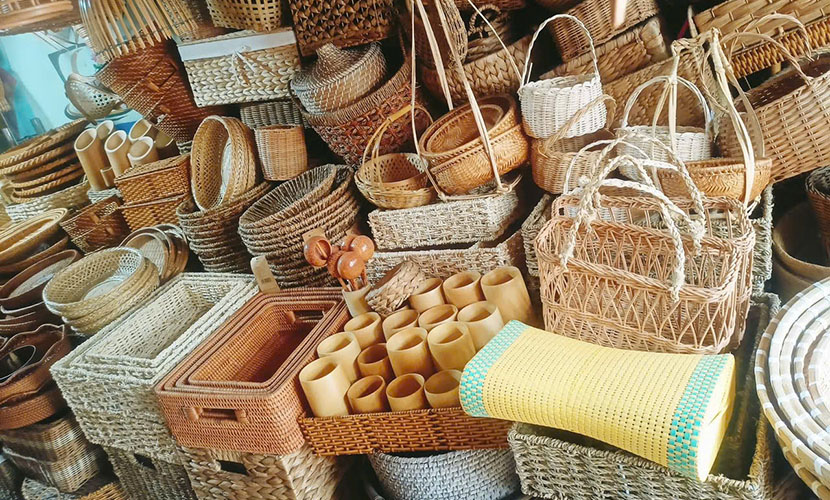
In recent years, Vietnamese handicraft export has consistently ranked among the top 10 exporting categories. Vietnam’s handicraft has a diverse array of high-value-added products with greater profit margins compared to many other export items. In addition, the implementation of free trade agreements has opened numerous export opportunities for handicraft products.
Vietnamese handicraft export
Mr. Hoa, an expert, noted that the global handicraft market value reached $1.007 trillion in 2023. This value will reach $2.394 trillion by 2032, according to an estimate. Vietnamese handicraft export is now present in 163 countries and territories, accounting for nearly 10% of global demand. From 2015 to 2019, the export turnover of Vietnamese handicrafts increased by an average of 9.5% per year, from $1.62 billion in 2015 to $2.23 billion in 2019. The sector aims to achieve an export turnover of $4 billion by 2025.
The COVID-19 pandemic and subsequent economic challenges have led to increasing demand for home products. As a result, it would create opportunities for the handicraft industry. Additionally, the trend towards using natural materials has further boosted demand.
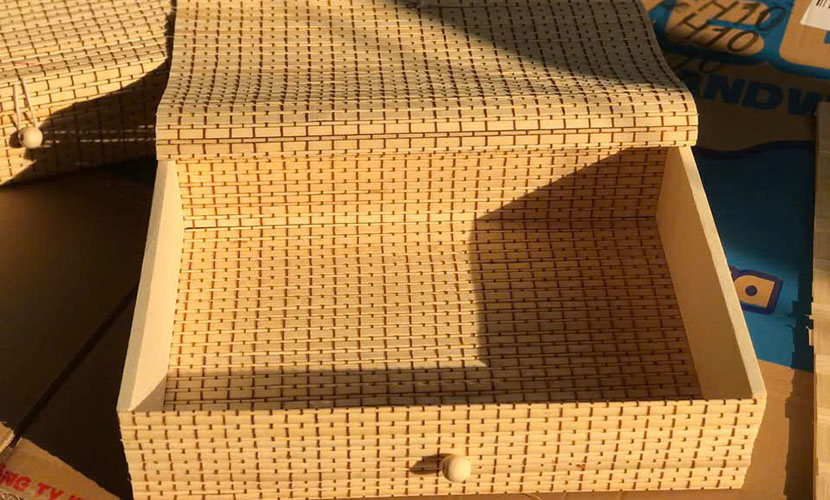
Vietnamese rattan box
However, the sector faces several challenges. Many Vietnam’s handicraft products lack standardized processes, making it difficult to protect and develop brands. The value of these brands is insufficient to penetrate demanding international markets, limiting the potential for price increases.
According to an exporting company of Vietnam’s handicraft, traditional craft villages have established a strong reputation both domestically and internationally. However, the development of these products faces numerous challenges due to market economy dynamics.
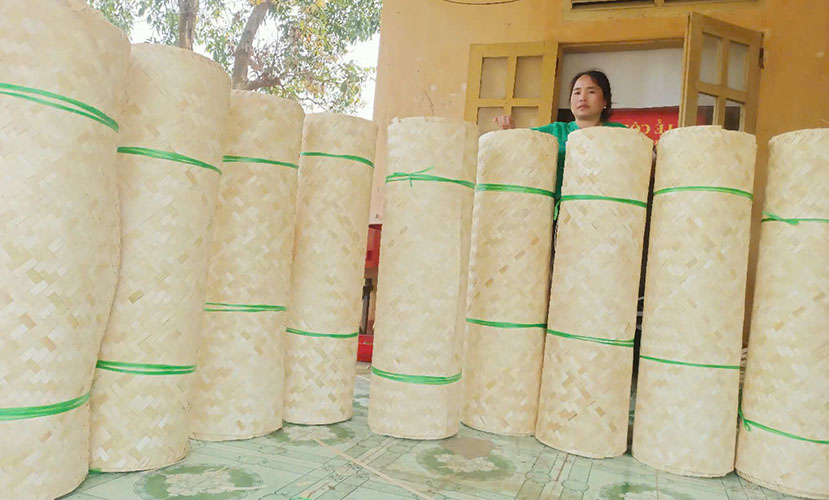
Vietnam’s bamboo mat
Therefore, it is necessary for traditional handicrafts to embrace digitalization and artificial intelligence (AI) to stay competitive. Without adapting to these trends, the sector risks falling behind.
“Vietnamese handicraft villages are still facing difficulties in accessing international markets. Some of the key issues include the lack of a clear marketing strategy, with many production facilities still relying on traditional methods and not yet applying modern marketing tools. Due to insufficient market information, producers often do not fully understand the demands and trends of international markets. Furthermore, building strong brands remains a challenge, as many products have yet to be properly branded, leading to ineffective competition,” said the director of this exporting company.
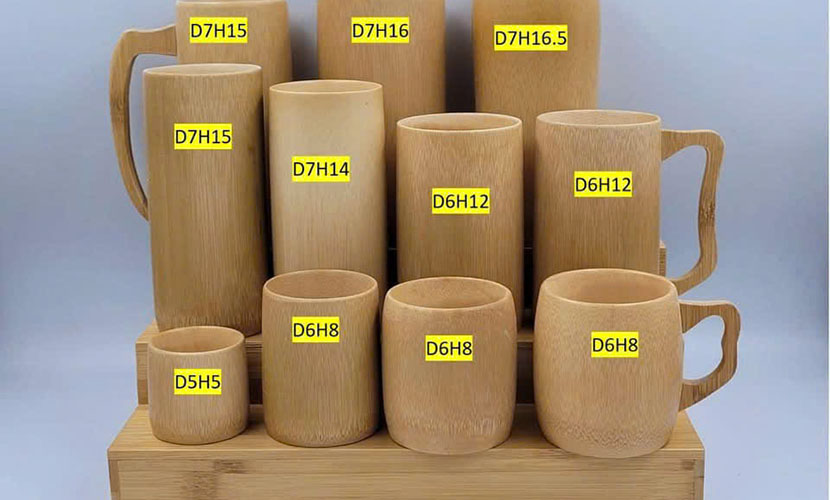
Vietnam’s bamboo cups
In order to solve these issues, Mr. Hoa recommends these solutions “We need a comprehensive set of solutions covering economic, social, environmental, and institutional aspects. Specifically, we need to improve the overall development planning of the sector, promote the application of scientific and technological advancements in product design and manufacturing. In addition, we should strengthen trade promotion, build distribution and export networks, and enhance the role and effectiveness of industry associations.”
Another expert also recommended building strong brands for Vietnamese craft village products. At the same time, utilizing digital platforms and social media for marketing, and promoting the use of natural materials to align with global sustainability trends.
Vietnamese sources: https://vanhoavaphattrien.vn/hang-thu-cong-my-nghe-phan-dau-den-nam-2025-dat-kim-ngach-xuat-khau-4-ty-usd-a26957.html
If you are interested in Vietnamese handicraft exports, please contact us:
Company: Agrideco Vietnam Co., Ltd.
Address: No 02, Alley 325 Kim Nguu, Vinh Tuy Ward, Hanoi, Vietnam
Tel/Kakao Talk/Whatsapp: +84 989 649 804
Website: https://agridecovietnam.com
Email: agridecovietnam@gmail.com