
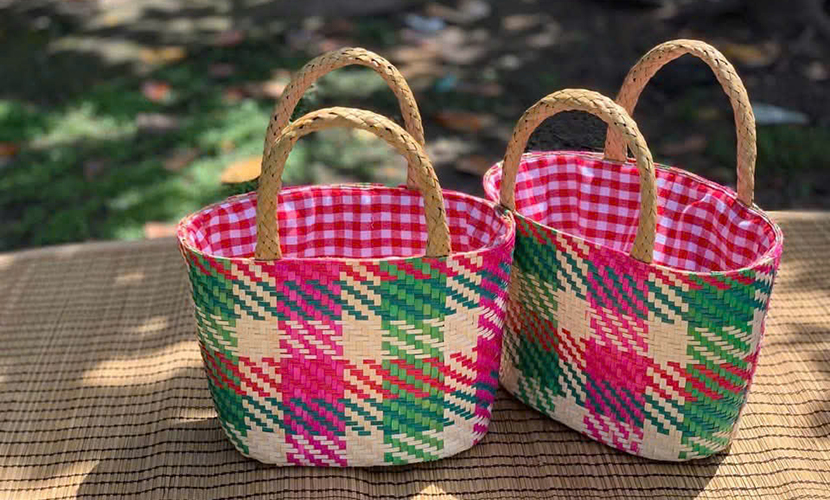
According to the Vietnam Craft Villages Association, exports of Vietnamese handicrafts grew at an average rate of 9.5% per year during the 2015–2019 period. Specifically, it rose from 1.62 billion USD in 2015 to 2.23 billion USD in 2019.
If existing limitations are effectively addressed, Vietnam could increase its handicrafts export value to 4 billion USD by 2025. The country could also aim to reach 6 billion USD by 2030.
Currently, Vietnamese handicraft products have been exported to 163 countries and territories, accounting for nearly 10% of global market demand. Key export markets include the United States, Japan, the European Union (EU), and several countries in the Middle East. Notably, Vietnamese handicrafts are highly favored in many EU countries, including France.
Ms. Hồ Thị Quyên is the Deputy Director of the Investment and Trade Promotion Center of Ho Chi Minh City.. She emphasized that 2025 presents several challenges for Vietnamese handicraft enterprises. These include escalating trade tensions among major economies that directly affect Vietnam’s exports.
Also, new regulations related to the Ecodesign for Sustainable Products Regulation (ESPR) require sustainable supply chain certification in the EU and the United States. As a result, compliance costs have increased, while international logistics expenses remain persistently high.
Exports of Vietnamese handicrafts
To maintain and expand exports of Vietnamese handicrafts, businesses need to proactively obtain certifications. They include FSC, BSCI, ISO 14001, and circular material certifications. This helps them meet buyer requirements and reduce legal risks. They should also use recycled wood and certified plantation timber while applying clean production technologies.
In addition, Vietnamese businesses need to focus on innovative designs and furniture for small living spaces to keep up with global consumption trends. They should also participate in trade promotion programs to connect with major distributors and retailers, especially at events in Europe.
Ms. Nguyễn Đắc Bội Quỳnh is the Head of Trade Promotion for Vietnamese Enterprises at the French Chamber of Commerce and Industry in Vietnam (CCIFV). She provided insights into the scale and trends of the European market. Accordingly, the European handicrafts market was worth at approximately 293 billion USD in 2024. It is likely to grow significantly to 576 billion USD by 2033, with a compound annual growth rate (CAGR) of around 7.41%.
In France alone, the market reached about 31.05 billion USD in 2024, with a projected growth rate of 8.3%. Meanwhile, the home decor segment in Europe is also a massive market. It was worth at 196 billion USD in 2024 and is likely to reach 278 billion USD by 2033.
Consumer trends in Europe are currently favorable for Vietnamese hand-made products. Consumers increasingly prioritize unique, eco-friendly products that reflect cultural identity. Notably, Millennials account for 45% of handicraft consumption, while over 70% of urban consumers show strong preference for these products.
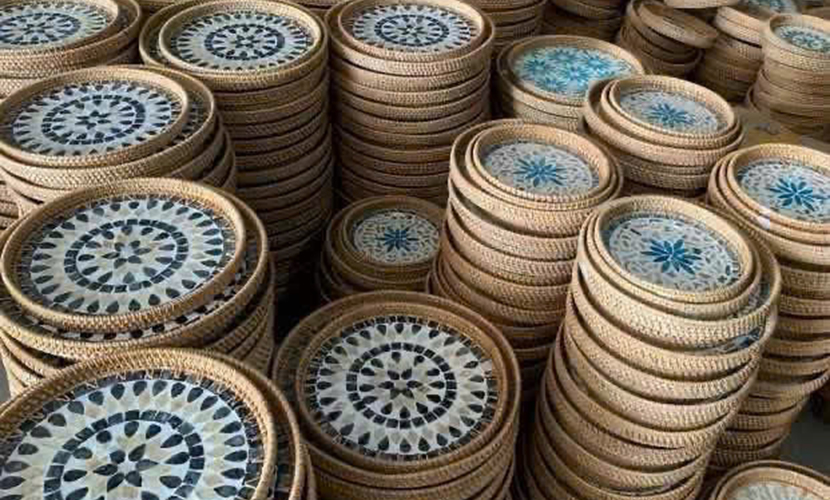
Vietnamese handicraft products
Demand for personalized and sustainable products, along with the rapid growth of e-commerce, is reshaping the entire market. In fact, 73% of the value of home decor products in Europe comes from developing countries. This figure increased from 2.2 billion EUR in 2018 to 3.0 billion EUR in 2022.
In this context, Vietnamese craft enterprises are striving to seize these opportunities. At the same time, the industry as a whole aims to achieve 4 billion USD in exports to the EU by 2025.
However, to successfully enter the market, Vietnamese businesses must strictly comply with EU regulations regarding origin traceability, wood certification, environmental impact, and labor conditions. The market also demands continuous innovation in product design, typically 2–3 times per year. This creates significant opportunities for diverse and creative products.
From a legal perspective for exporters in lifestyle, handicrafts, and interior decoration, Ms. Chử Lan Phương, a lawyer at Ceven Law Firm, highlighted recent changes in the EU regulatory framework. These changes directly impact Vietnamese handicraft exporters.
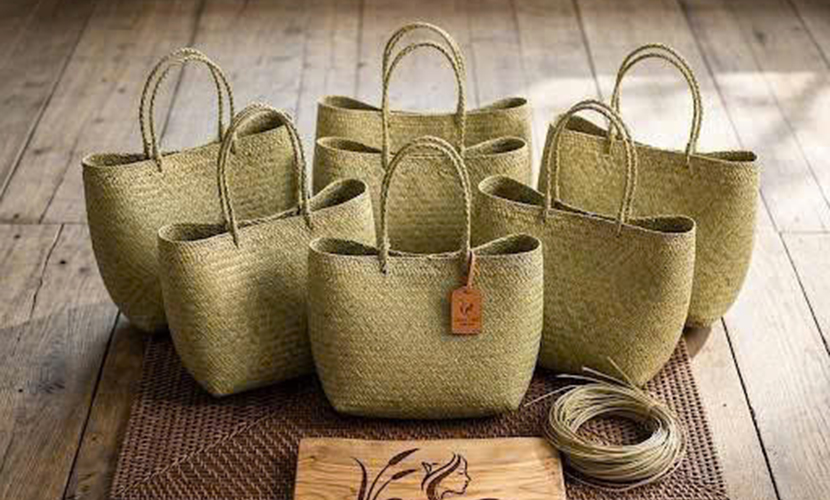
Hand-made bags from Vietnam
Notably, the General Product Safety Regulation (GPSR), effective from December 13, 2024, the Product Liability Directive (PLD), and other supplementary regulations require businesses to take greater responsibility for product safety. They also require companies to appoint a legal representative within the EU when selling directly into the market.
She also analyzed various distribution channels of exports of Vietnamese handicrafts available to businesses. These approaches range from signing contracts with importers that comply with GPSR and REACH standards to selling directly to retail chains and operating through e-commerce platforms. In addition, businesses can participate in international trade fairs and collaborate with interior designers and concept stores.
She further recommended that businesses standardize products from the design stage according to REACH standards. They should also comply with CE marking requirements and combine trademark and industrial design protection to comprehensively safeguard intellectual property.
She also noted that Vietnamese craft companies face intense competition from large-scale, low-cost producers such as China and India. In addition, fragmented production, small scale, and weak brand building remain persistent weaknesses of the sector.
Vietnamese source: https://chongbanphagia.vn/day-manh-xuat-khau-hang-thu-cong-my-nghe-vao-chau-au-n29924.html
If you are interested in Vietnamese handicraft exports, please contact us:
Company: Agrideco Vietnam Co., Ltd.
Address: No 02, Alley 325 Kim Nguu, Vinh Tuy Ward, Hanoi, Vietnam
Tel/Kakao Talk/Whatsapp: +84 989 649 804
Website: https://agridecovietnam.com
Email: agridecovietnam@gmail.com