
The Vietnamese organic cinnamon cultivation model in Quảng Ninh not only helps enhance agricultural value and increase local incomes. It also contributes to the sustainable protection of the ecological environment.
The cinnamon tree has long been a key crop for highland communities. It provides a stable source of income for hundreds of households in Quảng Ninh Province. However, in the past, cultivation practices were mainly traditional and they relied on self-selected planting materials.
In addition, the improper use of fertilizers and chemical pesticides was common. This led to inefficient resource use, inconsistent product quality, and negative impacts on soil and the ecological environment.
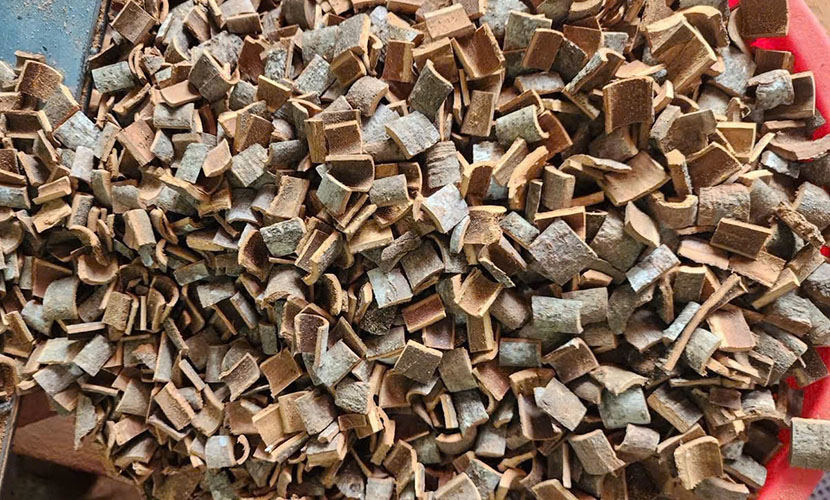
Vietnamese organic cinnamon
Realizing these limitations, farmer in highland villages such as Tài Lý Sáy and Thanh Bình have boldly shifted toward Vietnamese organic cinnamon. This transition has been made with technical guidance and support from the Agricultural Extension Center of Quảng Ninh.
Mr. Chíu Dì Sếnh is one of the pioneering households in Tài Lý Sáy village, Quảng Tân commune. He shared: “Although organic cinnamon farming is more labor-intensive, it brings higher selling prices. The soil is not degraded, and people’s health is also protected. Cooperatives purchase the product at good prices because the cinnamon meets high-quality safety standards.”
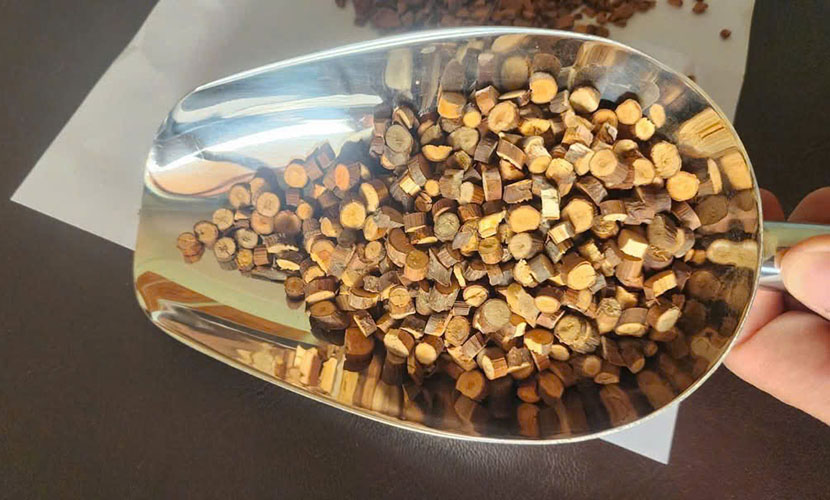
Vietnamese round cut cinnamon
According to Mr. Sếnh, organic farming techniques require farmers to use only organic fertilizers such as composted manure and microbial bio-preparations. At the same time, they must absolutely avoid chemical fertilizers. Farmers can control pests and diseases manually and through biological solutions. As a result, organic cinnamon trees grow more sustainably and develop stronger natural disease resistance. This also ensures higher quality for Vietnamese organic cinnamon.
There are an increasing number of households are participating in the organic cinnamon model. Farmers not only share techniques and farming experience but also exchange labor and support one another in production. As a result, this has created not only economic efficiency but also stronger community solidarity.
To date, Quảng Tân commune has developed hundreds of hectares of Vietnamese organic cinnamon, with stable year-on-year output growth. The product has secured purchasing agreements with Vietnamese spice companies. This gives farmers confidence to expand cultivation areas.
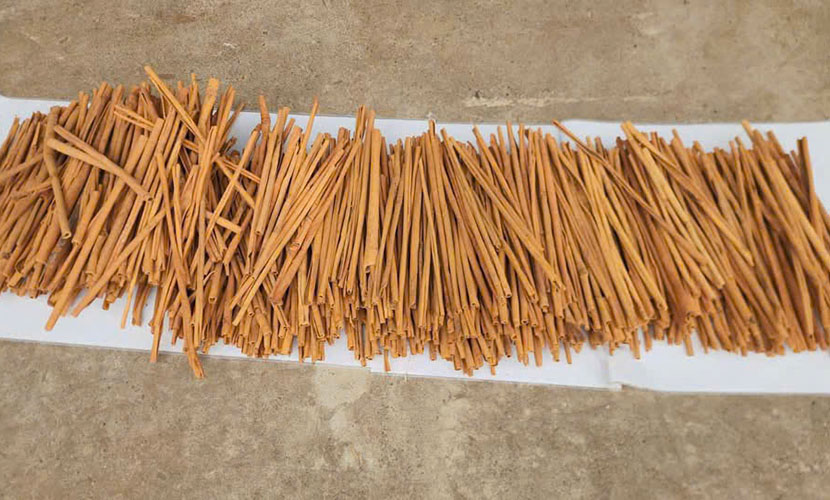
Cinnamon sticks from Vietnam
Mr. Vũ Quốc Hưng is the Chairman of the People’s Committee of Quảng Tân commune. He stated: “The local government has always accompanied farmers, from providing access to preferential credit and technical training to connecting them with purchasing enterprises. Vietnamese organic cinnamon cultivation is no longer a pilot model. It has become an effective and sustainable economic development direction for ethnic minority communities in the locality.”
In addition, Quảng Tân commune is one of the key localities selected under the project “Development of Organic Agriculture in Quảng Ninh to 2025, with orientation to 2030,” issued by the Provincial People’s Committee under Decision No. 685/QĐ-UBND dated March 18, 2022. Accordingly, the province aims to develop 3,000 hectares of organic cinnamon. In this plan, Quảng Tân plays a central role.
Mr. Vũ Duy Văn is the Deputy Director of the Department of Agriculture and Environment of Quảng Ninh. He stated: “We highly appreciate the proactive efforts of farmers in Quảng Tân commune in applying scientific and technical advances to production. The province will continue to strengthen policy support, market linkages, and organic farming training in order to replicate this model in other localities.”
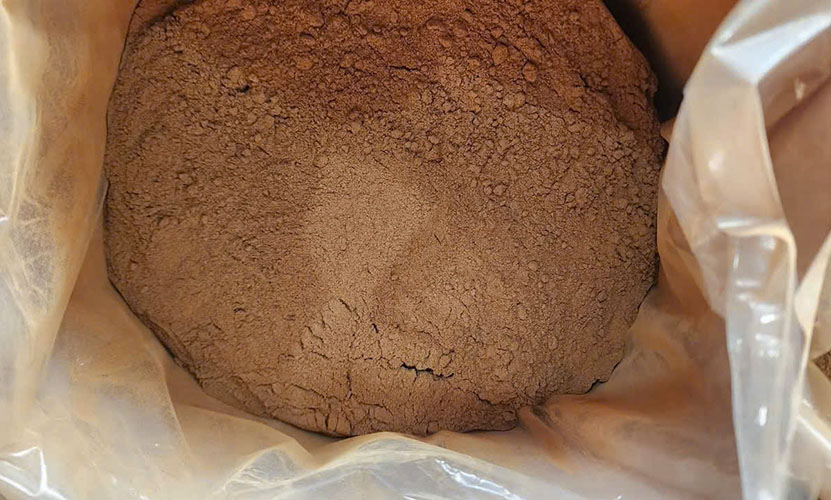
Cinnamon powder from Vietnam
The organic cinnamon farming model in Quảng Tân stands as a clear example of effective cooperation between farmers, scientists, enterprises, and local authorities. It has generated high economic value, contributed to poverty reduction among ethnic minority communities, and helped protect a sustainable ecosystem for the future.
Vietnamese source: https://congthuong.vn/quang-ninh-que-huu-co-mo-loi-lam-giau-cho-dong-bao-vung-cao-420979.html