
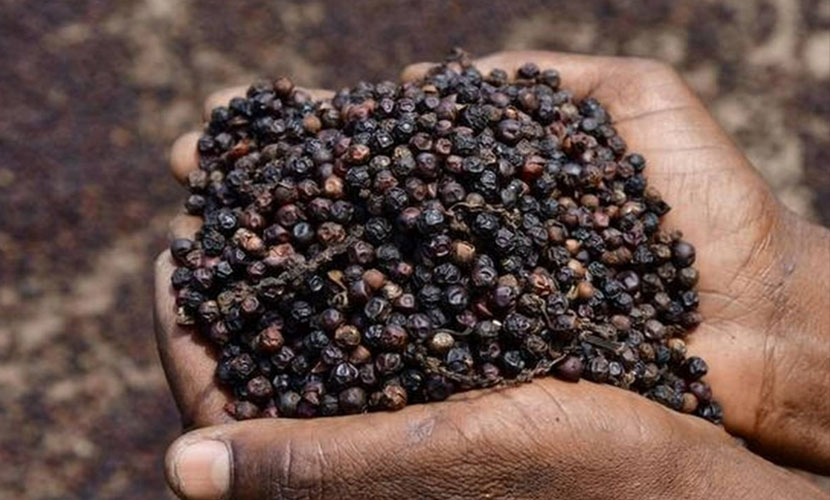
Despite facing multiple pressures, Vietnam’s pepper exports in 2026 are likely to maintain positive growth momentum. This is thanks to the strong recovery in import demand from the United States and China.
In the first four months of 2026, exports of the pepper and spice industry reached approximately 150,000 tons. Accordingly, the export value of Vietnamese pepper exports reached around USD 760 million. This went up 20% in volume and 15% in value compared to the same period in 2025.
Of this, pepper alone accounted for approximately 96,000 tons and generated USD 625 million in export revenue. In addition, this represented an increase of 30% in volume and 22% in value. Notably, exports to the United States increased by around 40%, while the China market surged by more than 200%.
Ms. Hoang Thi Lien is the Chairwoman of the Vietnam Pepper and Spice Association. She said that these results indicate that the export picture of Vietnam’s pepper and spice industry continues to maintain a positive growth trend. Specifically, Vietnamese pepper remains the leading driver. This is an encouraging signal amid ongoing global trade uncertainties caused by geopolitical conflicts. Moreover, many major markets are imposing increasingly stringent import standards.
Vietnam’s pepper exports
However, export turnover growth of Vietnam’s pepper exports remains lower than production growth. This figure reflects uneven export price increases among spice categories. Several products such as cinnamon, star anise, nutmeg, cardamom, chili, and the ginger–turmeric group are showing mixed growth trends.
Notably, VPSA forecasts that Vietnam’s pepper exports in 2026 will continue to maintain positive growth momentum despite fluctuations in the international market. Accordingly, if conflicts in the Middle East continue, Vietnam’s pepper export volume could remain unchanged or decline slightly. Specifically, it may decrease by around 3–5% compared to the 248,000 tons recorded in 2025. Nevertheless, export revenue is still likely to increase by 5–10% thanks to persistently high pepper prices.
Under a more optimistic scenario, if geopolitical tensions ease soon, exports of Vietnamese pepper could grow more strongly. Export volume could rise by around 5–10%, and export revenue could increase by more than 10%. According to VPSA, the biggest growth driver will come from the recovery in import demand from the United States and China.
In particular, the U.S. market will be able to increase imports again by around 20–30% after declining in 2025. China had delayed imports of Vietnam’s pepper exports for the past two years while waiting for prices to fall. Meanwhile, the market is now showing signs of returning to large-scale purchasing.
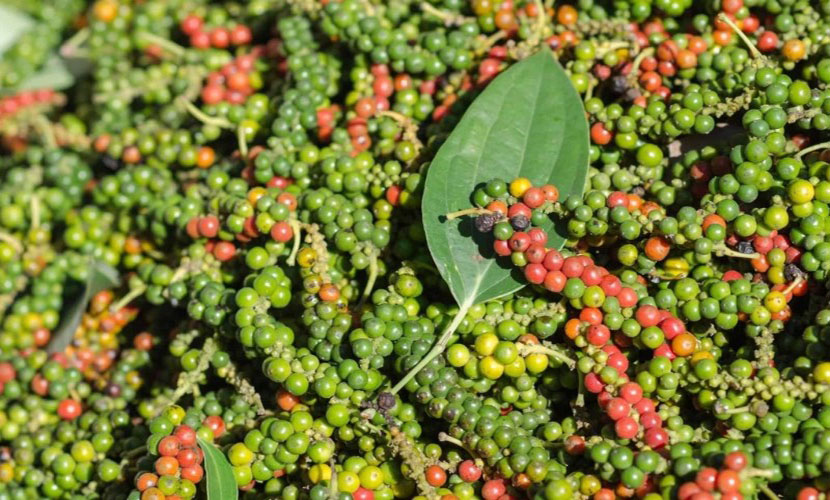
Vietnamese green pepper
Currently, China’s annual pepper consumption demand is likely at around 90,000–100,000 tons, while domestic production only reaches about 30,000 tons. The large gap between supply and demand is expected to force the market to increase imports in the coming period. Many Vietnamese pepper businesses in the industry believe that demand from China could recover significantly. As a result, global pepper prices may continue to remain high in the second half of 2026.
Despite the positive export outlook, Vietnam’s pepper industry is still facing numerous challenges. According to Vietnam Pepper and Spice Association, importing markets are increasingly tightening requirements related to pesticide residue limits and traceability. In addition, they are imposing stricter standards on sustainability certifications and food safety. These are becoming major pressures for many Vietnam’s spice exporters and domestic raw material regions.
In addition, geopolitical conflicts and surcharges arising in maritime transport are affecting export activities. Some shipments are currently congested in the Middle East region, especially at Jebel Ali Port. Meanwhile, shipping lines have yet to provide appropriate solutions. Competition from pepper-producing countries such as Brazil and Cambodia is also becoming increasingly intense.
Moreover, Vietnamese pepper businesses are facing difficulties in accessing capital as interest rates rise and credit conditions tighten. The certification process for growing areas of certain spices in many localities also remains inconsistent. This creates challenges for traceability and compliance with export requirements.
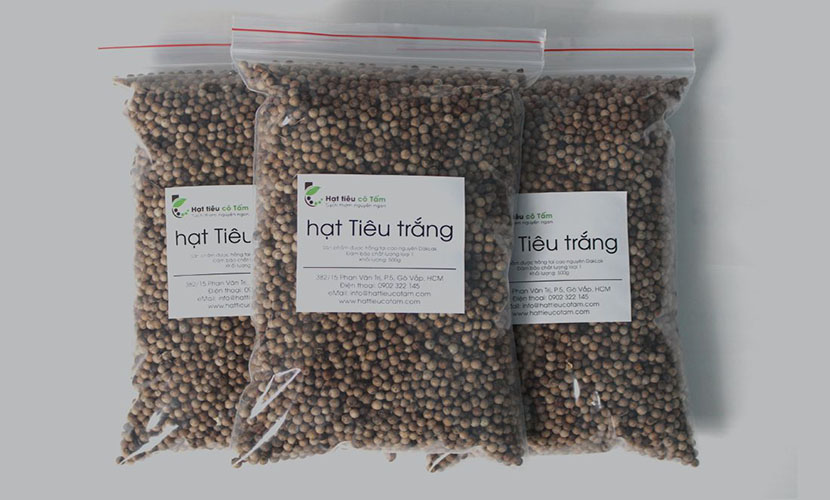
White pepper from Vietnam
To support Vietnamese export businesses, VPSA has proposed continued improvements in access to credit for agricultural enterprises. The association also proposed developing a detailed farming-area statistics system down to the commune level to support management and policymaking. In addition, the association recommended that the Ministry of Agriculture and Environment strengthen discussions with Taiwan authorities. The aim is to resolve issues related to pepper shipments flagged for Sudan IV contamination.
Regarding the implementation of Order 280 by the General Administration of Customs, the association proposed that the Ministry of Agriculture and Environment strengthen mechanisms for updating and exchanging information with China. In particular, this should be done in a proactive, regular, and timely manner regarding all changes involving exporting enterprises.
Such synchronized and continuous updates are especially important to ensure consistency between domestic data and data on China’s CIFER registration system. This would help minimize risks such as information discrepancy warnings, suspension of registration codes, customs clearance bottlenecks, or disruptions to export activities.
According to experts, amid continuously rising global demand for spices, Vietnam’s pepper exports still have significant room to expand the markets. However, Vietnamese spice export businesses need to intensify investment in clean raw material areas and traceability systems to capitalize on these opportunities. Furthermore, they must strengthen compliance with increasingly stringent international standards.
Vietnamese source: https://congthuong.vn/du-bao-hai-kich-ban-xuat-khau-ho-tieu-nam-2026-456065.html
If you are interested in Vietnamese pepper exports, please contact us:
Company: Agrideco Vietnam Co., Ltd.
Address: No 02, Alley 325 Kim Nguu, Vinh Tuy Ward, Hanoi, Vietnam
Tel/Kakao Talk/Whatsapp: +84 989 649 804
Website: https://agridecovietnam.com
Email: agridecovietnam@gmail.com