
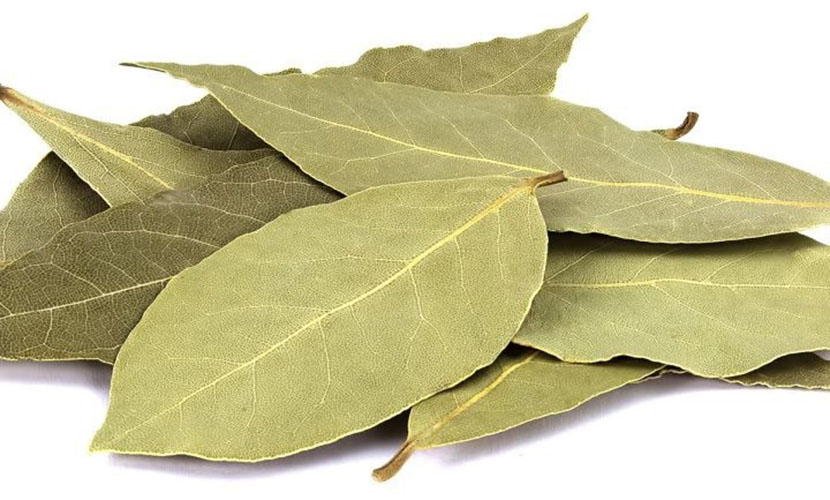
Bay leaves were once considered a common rustic plant in Vietnam. However, they have now become a high-value agricultural product. More specifically, Vietnam’s bay leaf exports generated more than USD 1.2 million over eight months of 2025. This figure goes up nearly 70% compared to the same period in 2024.
Although it is a rustic plant, Vietnamese bay leaves are popular among many foreigners despite their relatively high price. The leaf referred to here is the bay leaf, scientifically known as Laurus nobilis, belonging to the Lauraceae family.
Its English names include bay tree and bay laurel, and it originates from the Mediterranean coastal region. This plant is quite common in herb gardens.
In August 2025, Vietnam’s total export turnover of various leaves reached USD 1.17 million. This marked a sharp increase compared to the same period last year.
Vietnam’s bay leaf exports
Vietnam’s bay leaf exports alone generated USD 144,000, ranking second after cassava leaves (USD 517,000). They also surpassed banana leaves, sweet potato leaves, and kaffir lime leaves.
Overall, in the first eight months of the year, exports of various leaves reached USD 8.67 million, up 26.9% compared to the same period in 2024. Of this, Vietnam’s bay leaf exports surged by 68.5%, reaching more than USD 1.2 million.
In the domestic market, dried bay leaves are commonly available by agricultural companies, supermarkets, and e-commerce platforms. Prices range from VND 50,000–80,000 per 100 grams, or around VND 450,000–550,000 per kilogram. Meanwhile, in the United States, retail prices range from VND 1.5–2 million per kilogram. This is several times higher than in Vietnam.
Vietnamese bay leaf products are currently enjoying strong consumption in India, Bangladesh, Japan, South Korea, the United States, and European countries. The rapid growth in exports shows that this seemingly ordinary agricultural product has gained a new position in the international market.
Bay leaves originate from the Mediterranean region and are widely available in India, Pakistan, Southeast Asia, Southern Europe, North Africa, and Australia. In Vietnam, the plant is available sporadically in many areas for both ornamental and culinary purposes.
Bay leaves are typically 6–12 cm long, thick, glossy, and slightly wrinkled along the edges, with a characteristic mild fragrance. Fresh leaves have a bitter and pungent taste, so they are usually dried before use.

Fresh bay leaves from Vietnam
Beyond culinary applications, they are also a valuable medicinal herb and a source of essential oils. These oils are raw materials in the cosmetics, food, perfume, soap, and dental care industries.
Bay leaves are now hopeful to become a promising product in the spice and medicinal herb sector if developed properly. Currently, global demand for dried bay leaves is rising sharply, especially in Europe, the Middle East, and North America. This trend is driven by the growing preference for natural ingredients in cuisine and traditional medicine.
According to experts, for sustainable development, Vietnam’s bay leaves should be cultivated and produced under VietGAP and organic standards. This is necessary to meet increasingly stringent international market requirements.
In addition, the agricultural sector is promoting the development of a closed value chain from cultivation and preliminary processing to deep processing. This includes products such as essential oils, flavoring powders, and herbal teas.
Building the “Vietnam Bay Leaves” brand, combined with traceability systems, standardized packaging, and stronger international trade promotion, is a strategic step for Vietnamese leaf companies. It could help this agricultural product expand into global markets.
Vietnamese source: https://thuonghieuquocgia.congthuong.vn/xuat-khau-la-nguyet-que-cua-viet-nam-thu-ve-1-2-trieu-usd-426136.html
If you are interested in Vietnamese bay leaves, please contact us:
Company: Agrideco Vietnam Co., Ltd.
Address: No 02, Alley 325 Kim Nguu, Vinh Tuy Ward, Hanoi, Vietnam
Tel/Kakao Talk/Whatsapp: +84 989 649 804
Website: https://agridecovietnam.com
Email: agridecovietnam@gmail.com