
Rice husks, sugarcane bagasse, and many other Vietnamese agricultural by-products were once considered waste. Today, Vietnamese enterprises are recycling them into environmentally friendly products for export to global markets.
Instead of discarding them as waste after harvest, farmers now use rice husks and sugarcane bagasse for other purposes. Specifically, they have become key raw materials for the production of biodegradable plastic pellets. These materials can decompose completely and serve as sustainable alternatives to conventional plastics in a wide range of single-use products.
Mr. Đoàn Văn Tùng is the General Director of a manufacturer of biodegradable plastic pellets and compostable packaging. He said the company recognized an opportunity in the fact that Vietnam generates millions of tons of agricultural by-products each year. However, most of these materials remain underutilized.
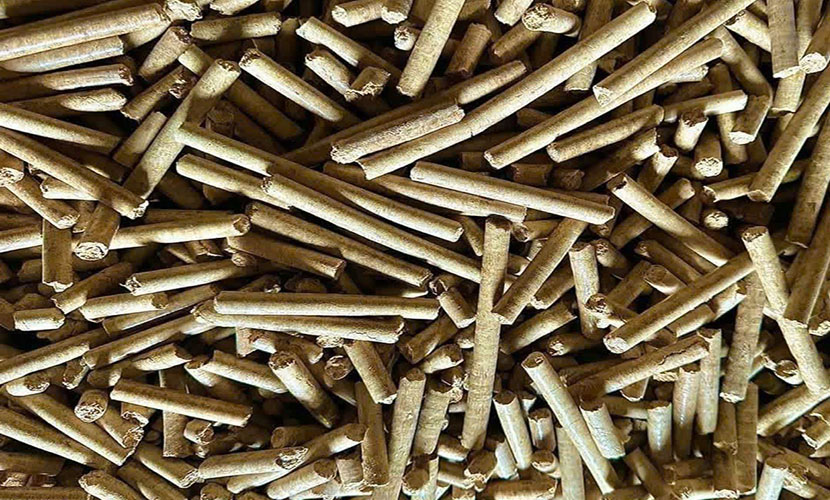
Vietnamese agricultural by-products: rice husk pellets
“We realized that a huge volume of Vietnamese agricultural by-products was being wasteful, while the world is increasingly restricting the use of conventional plastic products. If these resources can be regenerated and reused, they will not only reduce environmental pressure. They will also create additional value for the agricultural sector,” Mr. Tùng said.
His company began researching this business model in 2012 and officially put its factory into operation in 2019. They process raw materials such as sugarcane bagasse, rice husks, and bamboo powder into biodegradable plastic pellets. Then they supply these pellets to manufacturers producing packaging, trays, spoons, forks, and other single-use items.
Currently, the company exports Vietnamese agricultural by-products to North America, with the United States and Canada. These markets account for approximately 60 percent of the company’s market share. According to Mr. Tùng, the company’s output is growing by around 40 percent annually. This reflects the increasing international demand for environmentally friendly materials.
“We do not manufacture finished products ourselves. Instead, we provide raw materials to other businesses. This allows the value chain to expand more rapidly,” he explained.
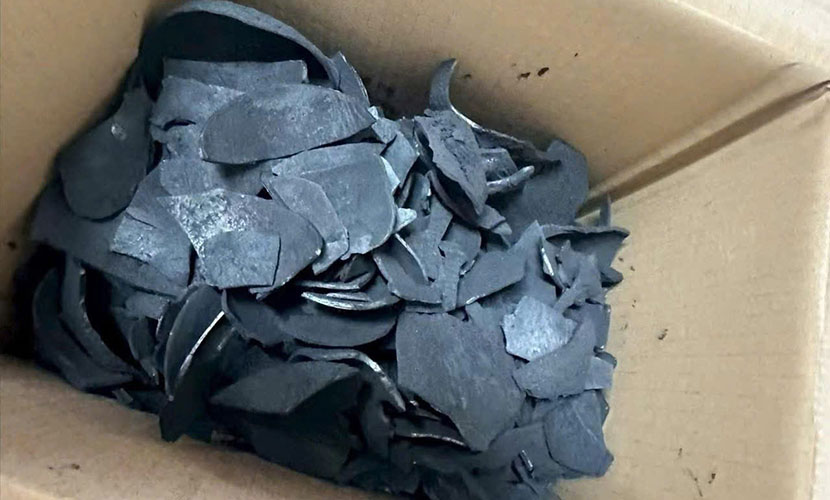
Vietnamese coconut shell charcoal
Ms. Vũ Kim Hạnh is the Chairwoman of the Association of high-quality Vietnamese goods enterprises. She stated Vietnam possesses a vast supply of agricultural by-products. However, much of it is either discarded or sold in raw form at low value.
“We cannot continue competing solely by selling raw materials. The key is to promote recycling and innovation. This will help increase the added value of Vietnamese agricultural products,” Ms. Hạnh emphasized.
Mr. Trần Việt Anh is the Chairman of the Vietnam Waste Recycling Association. According to him, Vietnam’s agricultural by-products are, in fact, a valuable resource. However, they are difficult to utilize effectively without a stable supply chain and advanced processing technologies.
Mr. Trần Việt Anh noted that many countries have moved ahead of Vietnam in developing industries based on recycled agricultural by-products. In Japan, straw is compressed into biodegradable packaging for export. Meanwhile, in Europe, fruit peels and nut shells are raw materials to produce cosmetics and bio-based materials.
“The global trend today is to reduce the use of conventional plastics and increase the adoption of bio-based materials. Major corporations are willing to pay a premium for environmentally friendly products. This presents a significant opportunity for Vietnamese agricultural by-products,” Mr. Trần Việt Anh said.
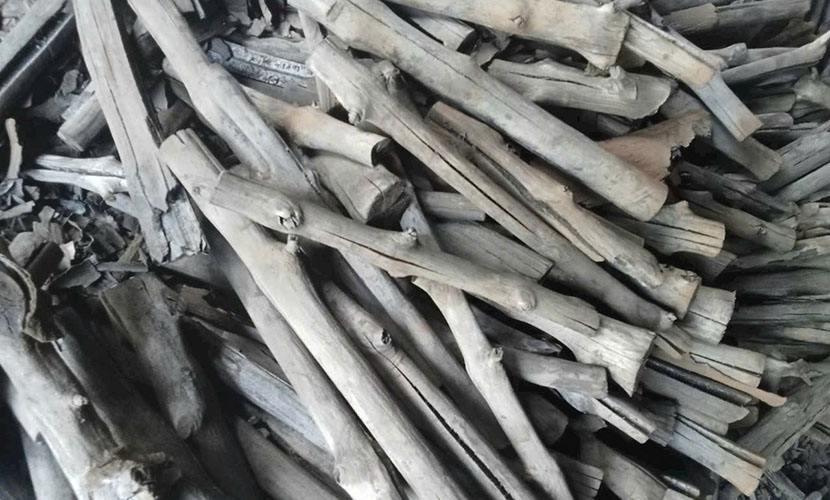
Vietnamese mangrove charcoal
However, according to businesses, the greatest challenge at present is the high cost of production. Biodegradable products remain considerably more expensive than conventional alternatives. Meanwhile, consumers continue to prioritize affordability.
“Some green products cost two to two and a half times more than conventional products. Consumers support them in principle. However, when it comes to making a purchase, price remains a major consideration,” Mr. Tùng explained.
In addition to production costs, international standards and certification requirements place considerable pressure on Vietnamese green businesses. To obtain certification for biodegradability, companies must undergo testing and verification procedures. These procedures can take up to a year and cost billions of Vietnamese dong.
Experts believe that Vietnamese agricultural by-products could become a crucial source of raw materials for Vietnam’s bio-based industries. This is especially true as global demand for sustainable consumption continues to grow. However, turning “waste into wealth” will require stronger support mechanisms. These should cover areas such as financing, technology development, green product certification, and the systematic planning of raw material production zones.
Vietnamese source: https://nongnghiepmoitruong.vn/phu-pham-nong-nghiep-mo-duong-vao-thi-truong-xuat-khau-xanh-d813831.html
If you are interested in Vietnamese agricultural by-products, please contact us:
Company: Agrideco Vietnam Co., Ltd.
Address: No 02, Alley 325 Kim Nguu, Vinh Tuy Ward, Hanoi, Vietnam
Tel/Kakao Talk/Whatsapp: +84 989 649 804
Website: https://agridecovietnam.com
Email: agridecovietnam@gmail.com