
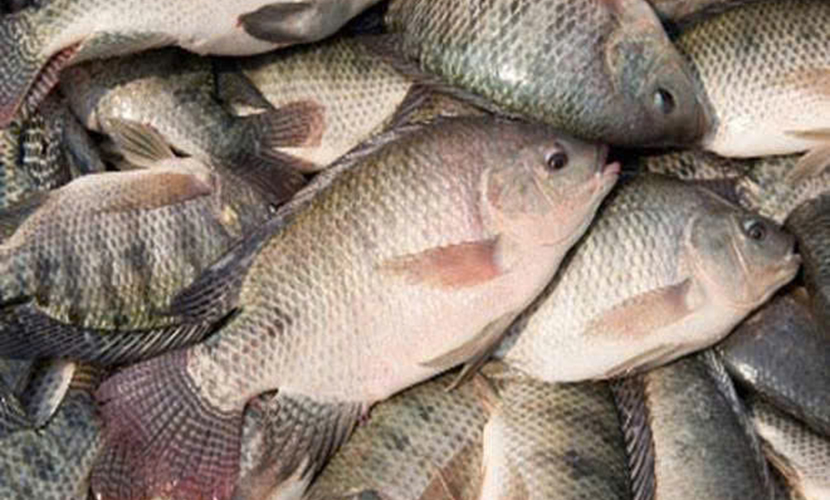
The Brazilian House of Representatives is currently considering a bill to ban tilapia imports. This raises significant concerns for Vietnam’s seafood industry in general and Vietnamese tilapia in particular. Brazil has become the largest export market for Vietnam’s tilapia. Therefore, any developments related to this bill could directly affect exporting companies as well as domestic tilapia farmers.
VASEP has sent an official document to multiple ministries and relevant agencies. The document reports and proposes response measures regarding Brazil’s House of Representatives’ consideration of Bill No. 6331/25. The bill proposes a ban on tilapia imports.
According to information published in Brazil on May 29, 2026, the Committee on Agriculture, Livestock, Supply, and Rural Development of the Brazilian House of Representatives has approved Bill No. 6331/25. The bill stipulates a ban on tilapia imports. Under Brazil’s legislative process, the bill will continue to be reviewed by relevant committees. It will then be submitted to the House and Senate for approval to become official law.
VASEP considers this a particularly important development for Vietnam’s tilapia industry. Brazil has emerged as the fastest-growing export market for this product.
In the first four months of 2026, Vietnam’s tilapia exports to Brazil reached approximately 26 million USD. This accounted for around 54% of the country’s total tilapia export value. With this share, Brazil has become Vietnam’s largest tilapia export market. Notably, growth in this market has been extremely rapid in a short period.
Vietnamese tilapia
In 2024, exports of Vietnamese tilapia to Brazil were only about 148,000 USD. This figure rose to around 11 million USD in 2025. In just the first four months of 2026, export value reached approximately 26 million USD.
These figures show that Brazil is playing an increasingly important role in Vietnam’s tilapia sector. Therefore, any changes in Brazil’s import policies could significantly affect Vietnam’s export activities, production, and aquaculture sector.
According to VASEP, the Brazilian bill is based on arguments related to disease risk prevention and the protection of its domestic tilapia industry. However, publicly available documents indicate that protection of domestic production is also a key driver behind the proposal.
This comes as Brazil’s tilapia farming industry is growing rapidly. It is also playing an increasingly important role in the country’s fisheries sector. VASEP also noted that this is not the first time Vietnamese tilapia products have faced trade restrictions in Brazil.
In the 2024–2025 period, Brazil had previously imposed temporary import suspensions related to the assessment of TiLV disease risks. However, following technical discussions and scientific evaluations between competent authorities of both countries, Brazil’s Ministry of Agriculture and Livestock (MAPA) officially lifted the suspension in April 2025. It restored normal import activities.
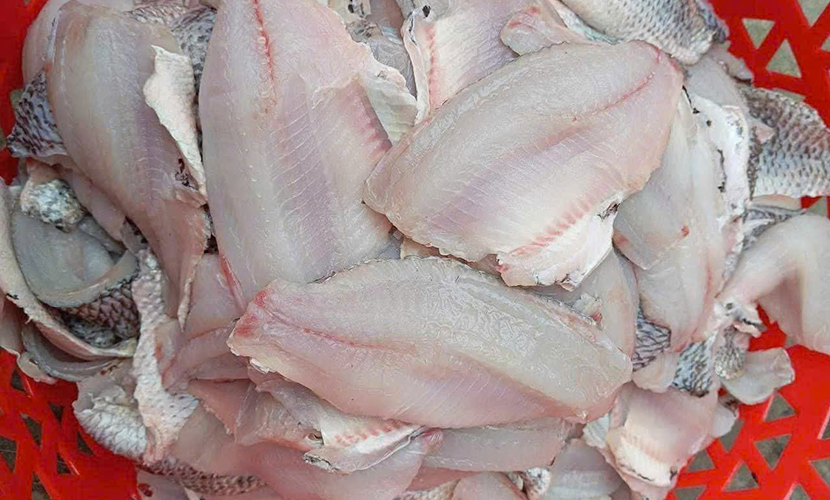
Vietnamese tilapia fillets
Trade-restrictive proposals targeting imported tilapia products, including those from Vietnam, continue to emerge. Therefore, VASEP considers this a development that requires close monitoring.
VASEP stated that if the bill is passed, the import ban would not only affect exporting enterprises. It would also impact domestic tilapia farmers. This is especially significant as Brazil is currently the largest consumption market for this product.
The association also noted that new trade-restrictive measures have emerged after Brazil lifted its temporary suspension of Vietnamese tilapia imports. This issue needs to be addressed early in order to avoid negative impacts on production and export activities. In response to these developments, VASEP has proposed several solutions to protect the interests of Vietnam’s tilapia industry.
For the Ministry of Agriculture and Environment, the association recommends that the Ministry direct relevant agencies to utilize bilateral cooperation channels in agriculture, veterinary affairs, and food safety. This is to continue discussions with Brazil’s Ministry of Agriculture and Livestock (MAPA).
The objective is to reaffirm Vietnam’s capacity in disease control, quality management systems, traceability, and biosecurity conditions. This applies to tilapia products. At the same time, Vietnam urges the Brazilian side to objectively consider scientific evidence and risk assessment results. This should be done before applying any trade-restrictive measures.
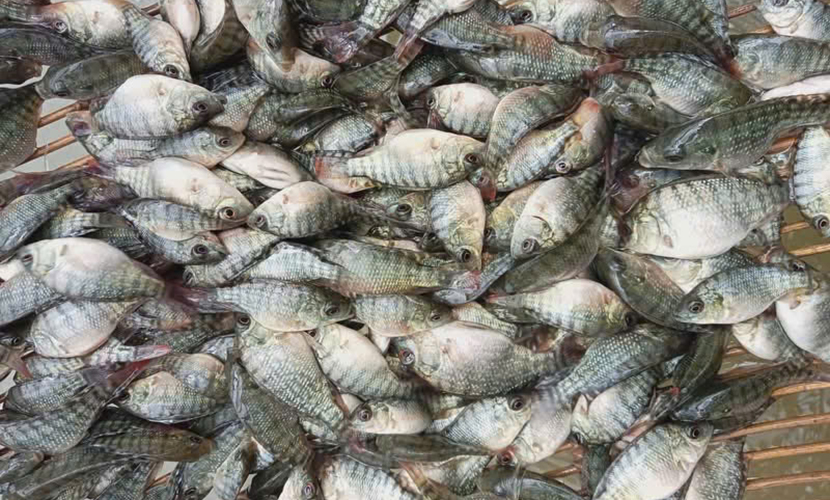
Vietnamese tilapia materials
In addition, VASEP has recommended that the Ministries of Foreign Affairs, Agriculture and Environment, and Industry and Trade instruct relevant units to coordinate with the Vietnamese Embassy in Brazil, the Vietnam Trade Office in Brazil, and other relevant Brazilian agencies. This is to closely monitor the review process of Bill No. 6331/25.
The association also called on competent authorities to proactively engage in official discussions with Brazil. This is to clarify the scientific, legal, and trade basis of the proposed ban on tilapia imports.
According to VASEP, strengthening bilateral dialogue and coordination between the two countries’ competent authorities is necessary to protect the legitimate rights and interests of Vietnam’s tilapia sector. This is based on scientific principles, WTO regulations, and the high-level commitments reached between the two sides.
As Brazil is currently the largest and fastest-growing export market for Vietnamese tilapia, developments related to Bill No. 6331/25 are receiving special attention from the business community.
Close monitoring of the bill review process, proactive engagement with Brazilian authorities, and timely implementation of appropriate diplomatic and trade measures will help maintain export market stability. It will also help mitigate potential adverse impacts on Vietnam’s tilapia industry in the coming period.
Vietnamese source: https://thuehaiquan.tapchikinhtetaichinh.vn/ca-ro-phi-viet-nam-truoc-nguy-co-mat-thi-truong-xuat-khau-lon-nhat-tai-brazil-158585.html
If you are interested in Vietnamese tilapia exports, please contact us:
Company: Agrideco Vietnam Co., Ltd.
Address: No 02, Alley 325 Kim Nguu, Vinh Tuy Ward, Hanoi, Vietnam
Tel/Kakao Talk/Whatsapp: +84 989 649 804
Website: https://agridecovietnam.com
Email: agridecovietnam@gmail.com