
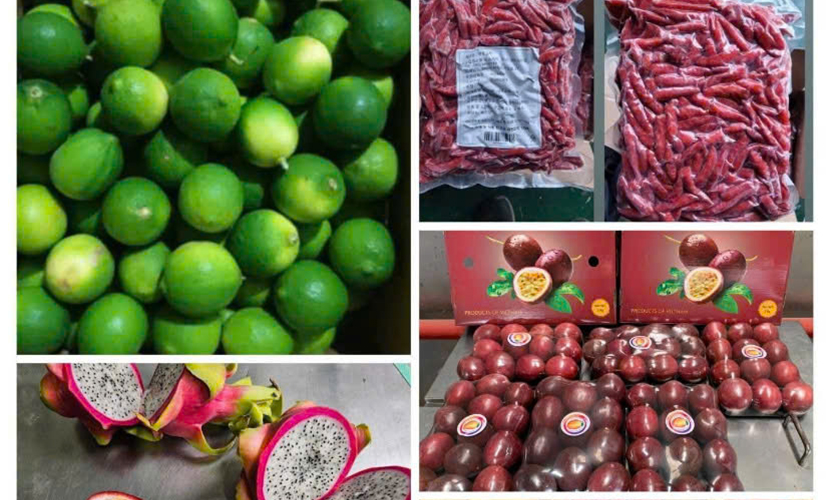
Behind every shipment of Vietnam’s agricultural commodities lies a journey of transformation in farmers’ production practices. They have shifted from relying on experience-based methods to complying with stringent standards.
Song Xoai Green-Skin Pomelo Cooperative is the specialized green-skin pomelo growing area Tan Thanh Ward, Ho Chi Minh City. The atmosphere here during the recent harvest season was more vibrant than usual. The cooperative had previously suspended exports due to insufficient output. However, it has now resumed shipments to demanding markets such as the United States, South Korea, Australia, and China.
Behind this return is a comprehensive shift in farmers’ production mindset. Most growers previously relied on experience-based cultivation practices and applied fertilizers and crop protection products according to habit. However, every stage of production should now follow export standards.
Mr. Tran Truong Sa is a member of the Song Xoai Green-Skin Pomelo Cooperative. He recalls a time when pomelo growers considered themselves successful as long as their fruit was large, attractive, and sold at a good price. However, after joining the export supply chain, farmers should change both their mindset and farming practices. From fertilization and irrigation to crop management, every step must now strictly follow technical procedures. This helps ensure consistent quality and product traceability.
Vietnam’s agricultural commodities
“Producing Vietnam’s agricultural commodities for export cannot do based solely on experience as in the past. We have to properly record and monitor every stage of the process. At first, many farmers found the process complicated. However, once they saw the benefits, they gradually embraced the changes,” Mr. Sa said.
Mr. Sa currently cultivates 2.5 hectares of green-skin pomelos using safe farming practices, prioritizing organic fertilizers and minimizing the use of chemicals. Thanks to adhering to the required production standards, his orchard has secured a contract to supply approximately 70 tons of export-quality pomelos at stable prices. As a result, it generates nearly VND 1 billion in profit after expenses.
Many other growers have also come to recognize the benefits of producing according to standardized requirements. For Mr. Dao Van Giap, the owner of an 8-hectare pomelo orchard, transitioning to export-standard cultivation was initially a difficult decision. It required greater investment of time and effort, as well as stricter compliance with production procedures. However, the effort has paid off. Businesses purchase his produce at prices that are higher and more stable than those available in the domestic market.
“In the past, we depended on traders, so prices were highly unpredictable. Now, by following export standards, Vietnamese export companies come directly to our orchards and sign contracts well in advance. This gives farmers greater confidence in production. It would be very difficult to compete if we continued using traditional farming methods,” Mr. Giap said.
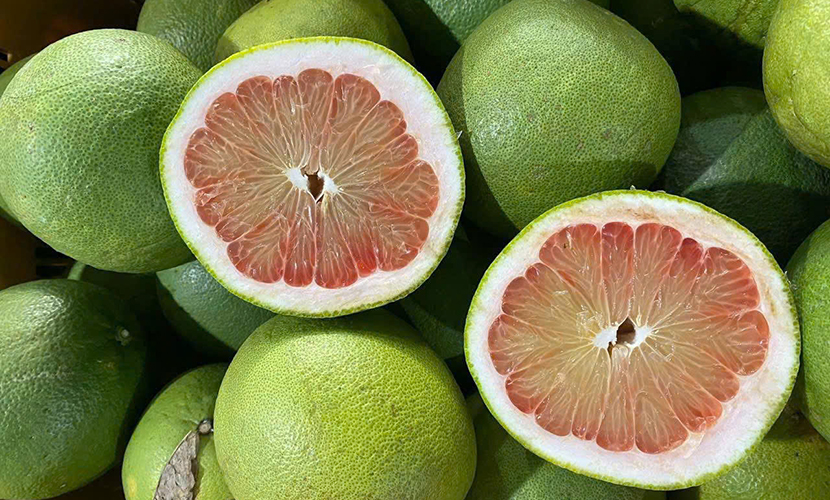
Green-skin pomelos from Vietnam
Not only pomelo growers, but many durian- and banana-growing regions in Ho Chi Minh City are also undergoing significant transformations. These changes are being made to meet the requirements of official export markets.
In Kim Long Commune, the 9 Be Durian Cooperative has clearly benefited from being granted an export-growing area code. According to Mr. Nguyen Huu Be, Director of the cooperative, local farmers previously depended entirely on traders to sell their produce. However, since obtaining the growing area code, Vietnam’s export enterprises have proactively approached growers and signed purchase contracts directly at the orchards.
According to Mr. Be, producing durians in compliance with export standards has significantly increased the value of the fruit. It has also generated much higher profits than traditional crops such as pepper and rubber. Alongside changes in cultivation practices, many cooperatives and businesses have also made bold investments in advanced technologies. These investments help improve product quality and reduce production risks.
In Nghia Thanh Commune, Thong Nhat Rubber Joint Stock Company has converted more than 218 hectares of underperforming rubber plantations into Cavendish banana farms for export. From the outset of the project, the company established a growing area code, pre-processing facilities, packing houses, and implemented Vietgap-compliant production procedures.
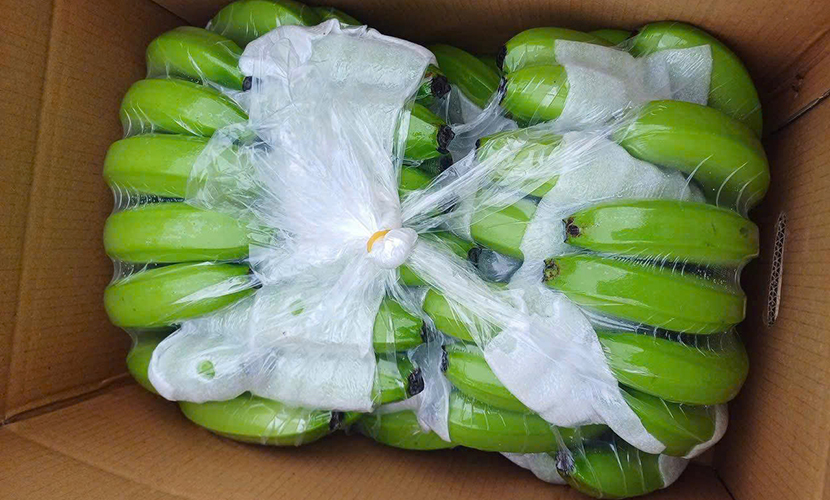
Vietnamese bananas
The company has also adopted a range of modern technologies. These include drones for crop spraying, water-saving irrigation systems integrated with automated fertilization, and pulley-based transportation systems for bananas. These measures help minimize physical damage and ensure product quality and appearance.
As a result, the company’s bananas are now available to a number of markets. They include China, South Korea, Malaysia, and countries in the Middle East. In 2025 alone, export volumes exceeded 7,800 tons, generating approximately VND 67 billion in revenue.
Ho Chi Minh City currently has 140 registered growing area codes covering a total area of more than 3,186 hectares, according to the city’s agricultural sector. It also has 67 packing facility codes that support exports to major markets, including the United States, Australia, Japan, South Korea, and China. These figures reflect the strong momentum of agricultural transformation taking place across the city. More importantly, however, they highlight a fundamental shift in farmers’ mindset.
Whereas increasing output was once the primary objective, many growers now place greater emphasis on quality, traceability, food safety, and sustainable development. Farmers are no longer producing spontaneously without market direction. Instead, they are gradually integrating into value chains and aligning production with market demand.
This transformation is essential for Vietnam’s agricultural commodities in general, and those from Ho Chi Minh City in particular. It will help strengthen their competitiveness and enhance their position in international markets.
Vietnamese source: https://nld.com.vn/tam-ve-thong-hanh-cho-nong-san-xuat-khau-196260601215825491.htm
If you are interested in Vietnamese agricultural commodities, please contact us:
Company: Agrideco Vietnam Co., Ltd.
Address: No 02, Alley 325 Kim Nguu, Vinh Tuy Ward, Hanoi, Vietnam
Tel/Kakao Talk/Whatsapp: +84 989 649 804
Website: https://agridecovietnam.com
Email: agridecovietnam@gmail.com