
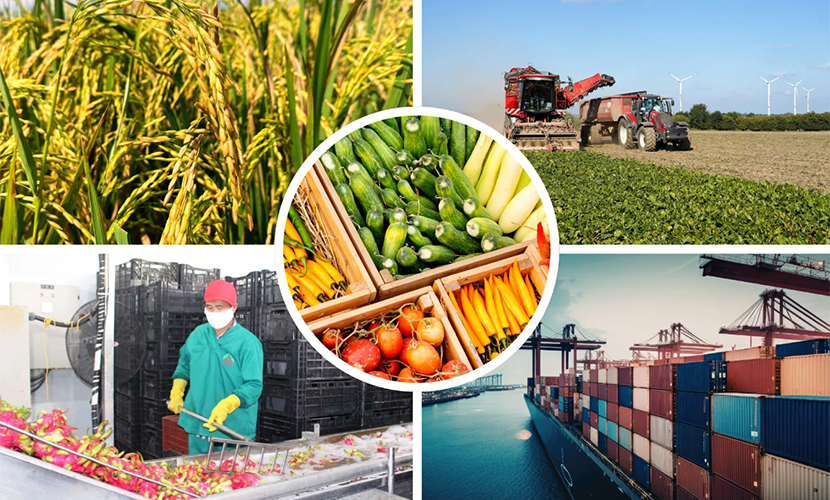
The application of biotechnology is becoming a key driver in enhancing the value of Vietnamese agro-products. This was a central theme at two international agricultural exhibitions held on June 10, 2026.
Ms. Nguyen Thi Lam Ha is the Deputy Director of Minh Vi Advertising and Exhibition Services One Member Co., Ltd. Speaking at the seminar, she emphasized that agriculture remains one of Vietnam’s leading export sectors. It is also a major source of foreign exchange earnings for the country.
According to Ms. Ha, both domestic and international markets are imposing increasingly stringent requirements. As a result, biotechnology has become a key tool for improving productivity and enhancing the quality and safety of agricultural products. It also helps strengthen the resilience of crops and livestock.
In addition, it supports adaptation to climate change and helps reduce environmental pollution. These advantages provide an important foundation for promoting the development of Vietnamese agro-products. They also support a greener, more sustainable, and internationally integrated direction.
In practice, Vietnam’s agricultural sector has undergone a remarkable transformation over the past four decades of economic reform. Mr. Le Thanh Hoa is the Deputy Director General of the Department of Quality, Processing and Market Development. He noted that Vietnam has evolved from a country facing food shortages into a major exporter of agro-products to 196 countries and territories worldwide.
Vietnamese agro-products
According to Mr. Hoa, science and technology have played a decisive role in crop cultivation, livestock farming, and aquaculture. Their application has also expanded significantly in post-harvest handling, processing, and preservation. As a result, Vietnamese agro-products can better meet the demands of both domestic consumers and international markets.
In the current development phase, as Vietnam implements key resolutions of the Party and Government, the agricultural sector is undergoing a profound shift from a quantity-oriented approach to a quality-focused model. This transformation emphasizes the application of advanced technologies in production, storage, and processing to optimize resource use while enhancing product quality and value.
Modern processing technologies and circular economy practices are being integrated throughout the value chain. This aims to produce high-quality, safe products while maximizing economic benefits and maintaining harmony with social and environmental objectives.
Vietnamese export businesses have also recognized the growing importance of applying scientific advances and biotechnology in Vietnamese agro-products. This includes crop production, livestock farming, aquaculture, and post-harvest activities such as harvesting, preliminary processing, food processing, and preservation.
Technological solutions related to breeding, biological products, microbial technologies, plant protection, and biosecure livestock production are helping to improve productivity and quality. At the same time, they are minimizing environmental impacts. As a result, they enable Vietnamese agricultural products to meet the increasingly demanding standards of international markets.
Recent export results further highlight the sector’s significant growth potential. In the first quarter of 2026, Vietnam’s agricultural export turnover reached USD 16.69 billion. Fruit and vegetable exports alone generated USD 1.54 billion, representing a year-on-year increase of 32.1%.
These achievements are an important foundation for Vietnam’s agricultural exports. They support the pursuit of its target of USD 73–74 billion in agricultural, forestry, and fishery exports in 2026.
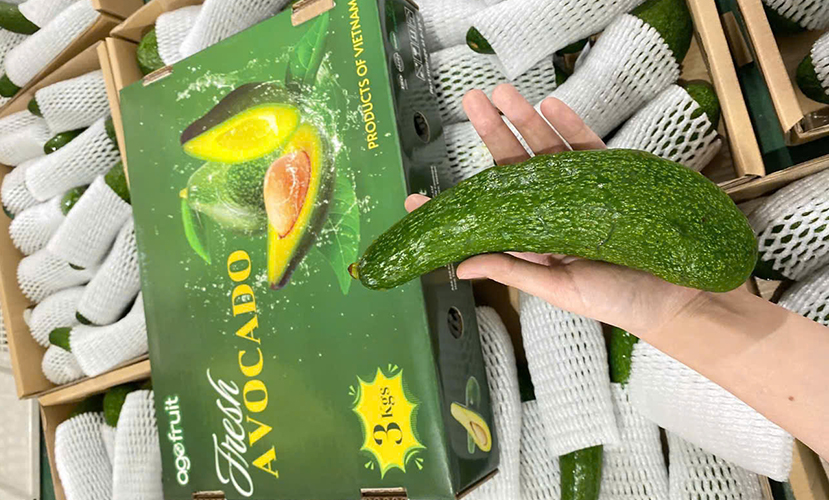
Vietnamese fresh avocado
According to experts and businesses, Vietnam’s agricultural sector is entering a new stage of development. This stage is marked by a significant shift from a growth model focused on volume to one that emphasizes quality and value addition.
In this process, the application of technology in production, storage, and processing helps reduce input costs and improve resource efficiency. Also, it enhances product quality, enabling agricultural products to better meet the requirements of export markets. At the same time, circular economy models and modern processing technologies are being promoted. This is done to maximize economic benefits while aligning with social and environmental objectives.
Vietnam’s agri-businesses also recognize the growing importance of adopting scientific advances and biotechnology throughout the entire agricultural value chain. This includes production and harvesting as well as preliminary processing, processing, and preservation. It is helping to strengthen the sector’s competitiveness.
Through innovations in plant and animal breeding, biological products, microbial technologies, plant protection solutions, and biosecure livestock farming, enterprises can improve productivity and enhance product quality. They can also reduce negative environmental impacts while complying with the increasingly stringent standards of international markets.
However, despite the opportunities for market expansion, Vietnamese agro-products continue to face numerous challenges. Requirements related to traceability and the control of plant and animal diseases are becoming increasingly stringent. Climate change, localized flooding, water shortages, and saltwater intrusion are also placing considerable pressure on agricultural production.
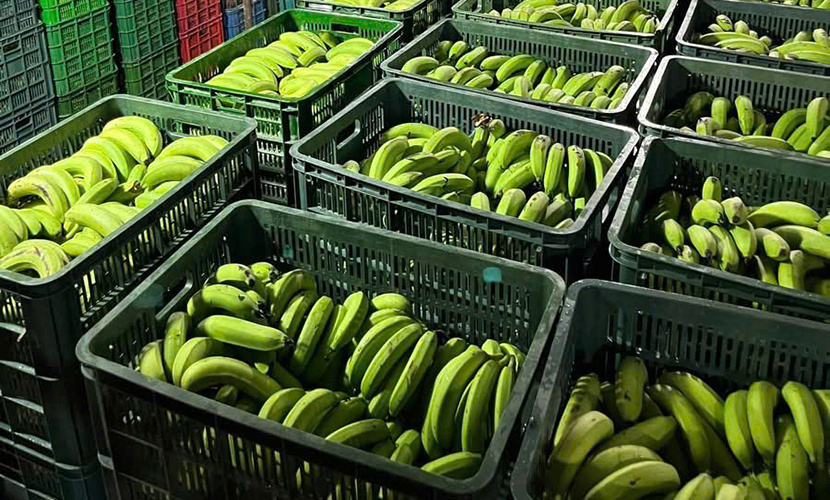
Vietnamese banana factory
In addition, the sector’s digital transformation remains uneven. Meanwhile, data connectivity and information sharing among localities and regulatory agencies still require further improvement.
Against this backdrop, experts believe that accelerating the application of science and technology will provide a crucial foundation for the development of agriculture. This includes developing integrated data systems, strengthening regional linkages, and building modern traceability systems. These efforts aim to support an ecological, green, modern, and sustainable agricultural sector.
To achieve these strategic objectives, modern biotechnology and advanced agricultural inputs are essential prerequisites. This is also why Agri Vietnam 2026 and Biotech Vietnam 2026 are highly significant events for Vietnamese agro-products.
This year’s exhibitions have brought together nearly 200 brands and more than 200 manufacturers and technology enterprises from 15 countries and territories, including India, China, Russia, South Korea, and Vietnam. Participants are showcasing a wide range of innovative solutions. These include fertilizers, crop protection products, and agricultural chemicals. They also include next-generation crop and livestock varieties, gene technologies, biological products, and circular agriculture models.
In addition to exhibition activities, the events feature a series of specialized seminars, B2B business matching programs, an agricultural services supply center, and several themed zones. These include OCOP and ESG showcases, a Halal food zone, and dedicated areas for innovation and biotechnology start-ups.
By fostering connections among technology providers, businesses, and markets, the exhibitions are likely to accelerate innovation. They are also likely to enhance the competitiveness of Vietnamese agro-products and create greater opportunities for export expansion. Ultimately, they aim to strengthen the position of Vietnam’s agricultural sector in the global marketplace.
Vietnamese source: https://thuehaiquan.tapchikinhtetaichinh.vn/mo-rong-canh-cua-xuat-khau-nong-san-nho-cong-nghe-sinh-hoc-158499.html
If you are interested in Vietnamese agro-products, please contact us:
Company: Agrideco Vietnam Co., Ltd.
Address: No 02, Alley 325 Kim Nguu, Vinh Tuy Ward, Hanoi, Vietnam
Tel/Kakao Talk/Whatsapp: +84 989 649 804
Website: https://agridecovietnam.com
Email: agridecovietnam@gmail.com