
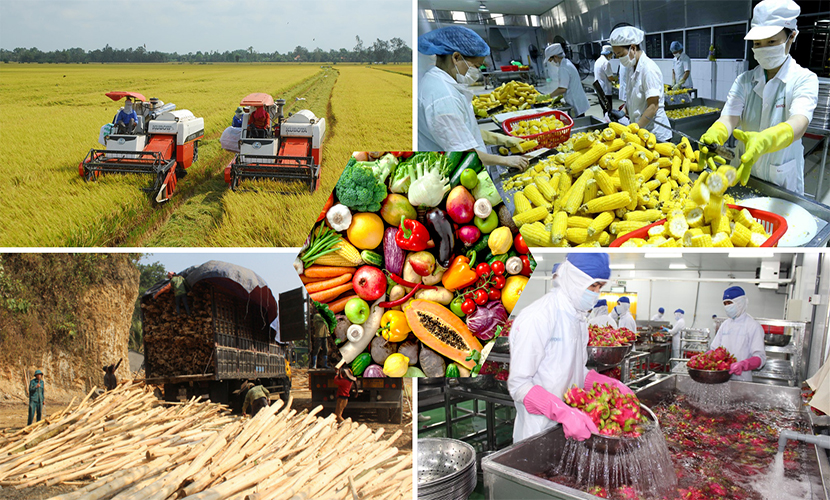
Amid ongoing volatility in global agricultural trade, Vietnamese horticultural exports have maintained strong growth momentum. They have also expanded their export markets and enhanced product value. In addition, they have steadily strengthened their ability to meet the increasingly stringent requirements of international markets.
Vietnam’s fruit and vegetable exports continued to post encouraging results in the first months of 2026. Export turnover during the first five months reached approximately USD 2.69 billion. It went up 16.8% compared with the same period in 2025. In May alone, export value totaled USD 630 million.
These results demonstrate the sector’s resilience and adaptability. At the same time, global agricultural trade continues to face economic uncertainties. It also faces rising logistics costs and increasingly stringent technical requirements from importing markets.
Vietnamese horticultural exports
China remained the largest destination for Vietnamese horticultural exports. It accounted for 49.6% of total export value. The United States and South Korea followed with shares of 8.7% and 5.4%, respectively.
Notably, exports to China increased by 31.4% year-on-year. Meanwhile, shipments to the United States and South Korea rose by 16% and 9.1%, respectively.
Among Vietnam’s 15 largest export markets, Cambodia emerged as one of the fastest-growing destinations. Its export value increased 3.6 times compared with the same period last year.
Market expansion and a shift toward higher-value products have driven growth. It also reflects a greater share of processed goods. Vietnamese durian continued to be the sector’s leading export item. Its export turnover in the first five months of the year surged by 59.7%.
This performance was supported by off-season harvest advantages and the approval of additional growing-area codes by China. It was also supported by the implementation of the protocol governing frozen durian exports.
Several other products also recorded impressive growth. Pistachio exports reached USD 224.63 million, an increase of more than 204%. Meanwhile, exports of coconuts and coconut-based products totaled USD 198.38 million, up nearly 15%. Dragon fruit, jackfruit, and passion fruit continued to maintain their competitive advantages in key markets thanks to stable consumer demand.
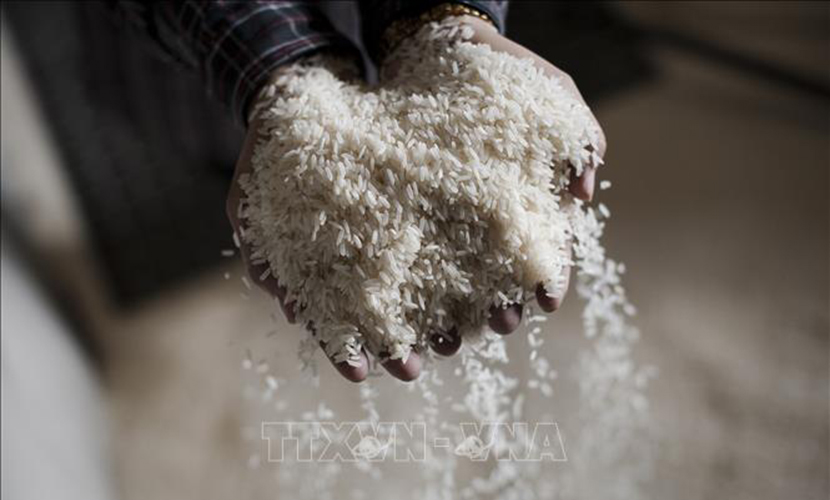
Vietnamese rice exports
A major milestone this year was the signing of a protocol between Vietnam and China on phytosanitary requirements for fresh pomelos and fresh lemons exported to China. The agreement resulted from negotiations that began in 2019. It not only creates additional growth opportunities for the sector but also reinforces the trend toward formal, transparent exports that comply with international trade practices.
Alongside positive export performance, Vietnam’s fruit and vegetable industry is increasingly required to shift from volume-driven growth to growth based on quality and compliance with market standards. This trend is reflected in the growing importance of cultivation area codes and packing facility codes in export activities.
According to industry experts, even a single violation related to a growing-area code can lead to the suspension of exports from an entire production area or commodity sector. As a result, raising awareness and strengthening accountability among farmers, cooperatives, and businesses is no longer merely a local issue. Instead, it has become a prerequisite for maintaining access to export markets.
In practice, major importing markets are concerned not only with product quality. They also focus on traceability, pest management, and strict compliance with production standards. This is why local authorities are accelerating the development of concentrated production zones, promoting the adoption of VietGAP and GlobalGAP standards, and encouraging organic farming practices.
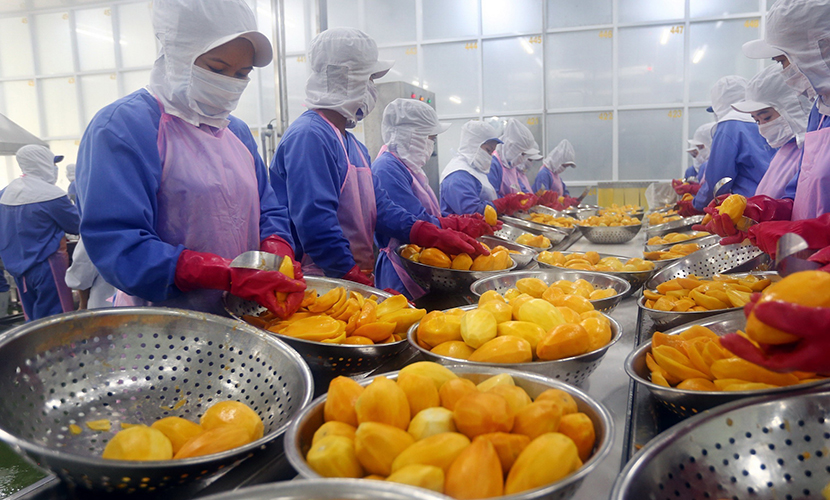
Vietnamese mango factory
In Hanoi, the agricultural sector aims to have between 50% and 70% of fruit-growing areas certified under quality standards by 2030. The city is also investing in the modernization of production infrastructure. It is expanding mechanization, applying high technologies, and promoting large-scale production models. These efforts aim to enhance the competitiveness of Vietnamese horticultural exports.
From a regulatory perspective, the Ministry of Agriculture and Environment is directing local authorities to expedite the completion of documentation for growing areas so that they can submit to Chinese authorities for approval. At the same time, training programs and technical guidance are being implemented. They help producers and exporters fully comply with the requirements of importing markets.
Overall, Vietnamese horticultural exports achieved during the first five months of 2026 reflect not only the strong momentum of a sector expanding its international presence. They also show a positive transformation in production and export strategies. As product quality, raw material areas, and management systems become increasingly standardized, Vietnamese fruits and vegetables will be better to enhance value addition and expand market share. This will also help the sector achieve sustainable growth in global markets.
Vietnamese source: https://thuehaiquan.tapchikinhtetaichinh.vn/rau-qua-viet-mo-rong-thi-truong-xuat-khau-158804.html
If you are interested in Vietnamese horticultural exports, please contact us:
Company: Agrideco Vietnam Co., Ltd.
Address: No 02, Alley 325 Kim Nguu, Vinh Tuy Ward, Hanoi, Vietnam
Tel/Kakao Talk/Whatsapp: +84 989 649 804
Website: https://agridecovietnam.com
Email: agridecovietnam@gmail.com