
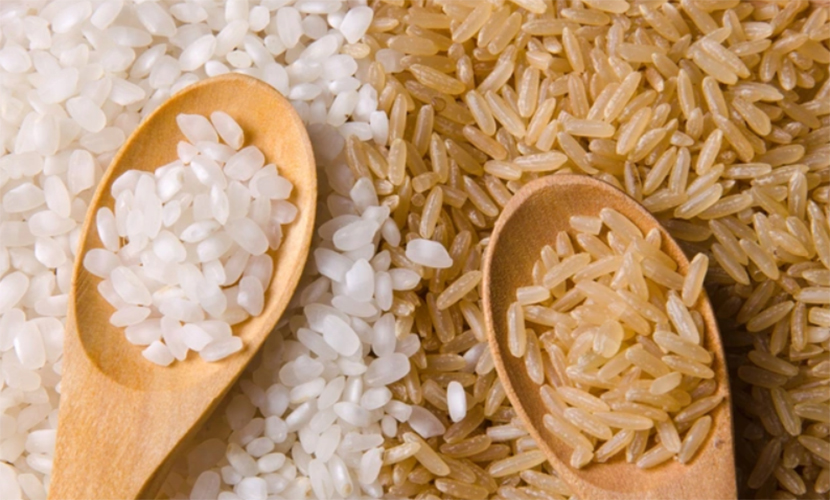
Vietnamese-origin rice exports in the first half of 2026 continued to post encouraging results. The competition trend among major importers to diversify their sources of supply is going. Therefore, Vietnam’s rice industry needs to adopt new strategies to maintain its competitive edge.
Vietnam exported approximately 274,749 metric tons of rice worth US$137.72 million during the first half of July 2026. Cumulative exports from the beginning of the year through July 15 reached around 5.3 million metric tons. They generated more than US$2.52 billion in export revenue.
Preliminary data from the Customs Department recorded total exports at 5.299 million metric tons of Vietnamese rice. The average export price was US$475.6 per metric ton. This figure is significantly higher than the average recorded during the first six months of the year. It reflects a clear recovery in the global rice market following a period of sharp price declines.
Asia continues to be Vietnam’s largest destination for Vietnamese-origin rice exports. The Philippines remained the country’s biggest buyer, importing approximately 2.28 million metric tons of Vietnamese rice. It was worth US$1.03 billion, accounting for around 45% of total export volume.
China ranked second, importing about 1 million metric tons valued at US$530 million, equivalent to roughly 20% of total exports. Together, these two markets accounted for approximately 65% of Vietnam’s rice exports. This highlights the industry’s continued reliance on a relatively small number of major buyers.
Vietnamese-origin rice
Beyond these two key markets, Malaysia continued to maintain stable import demand for Vietnamese-origin rice exports. In Africa, Ghana and Côte d’Ivoire remained important customers, while Iraq emerged as one of the fastest-growing markets in the Middle East.
However, developments in the Philippine market are creating new challenges for Vietnam’s rice exports. In recent months, the country has intensified measures to stabilize food prices, regulate retail rice prices, and diversify its import sources. This is necessary to reduce its dependence on any single supplier.
At the same time, the Philippines has introduced a range of programs to strengthen domestic rice production. These initiatives are intended to gradually improve the country’s level of self-sufficiency. By contrast, China has become a bright spot as imports have increased to meet stockpiling demand. This is particularly true for fragrant rice, premium-quality rice, and glutinous rice used in industrial processing.
Nevertheless, the greatest competitive pressure comes from Thailand, India, and Pakistan. All three countries have expanded rice exports at highly competitive prices. If the Philippines decides to increase imports from these competing suppliers, Vietnam’s rice industry could face significantly greater pressure.
Industry experts note that even a reduction of just a few hundred thousand metric tons in the Philippines’ import plans could have a substantial impact. Such a decline would affect Vietnamese-origin rice exports significantly.
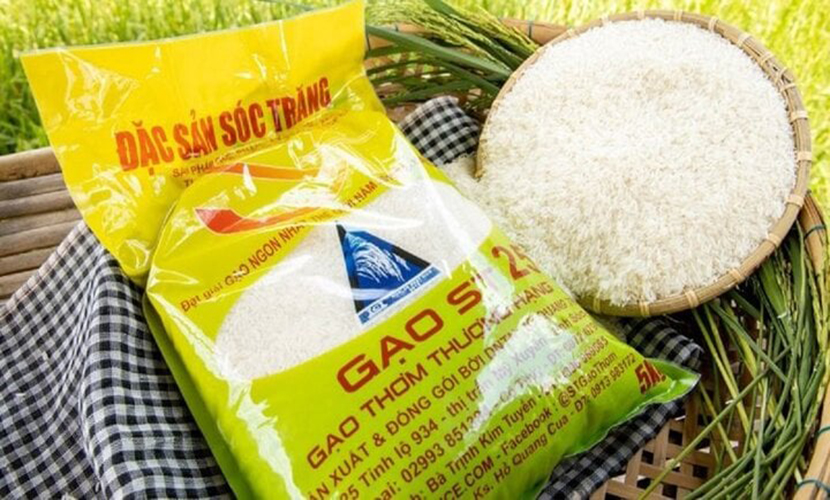
Vietnamese rice ST25
To address increasingly intense competition, the Ministry of Industry and Trade is finalizing a new policy framework to improve the effectiveness of rice export management. A key feature of the comprehensive revision of Decree No. 107/2018/ND-CP is the introduction of a trader credibility assessment mechanism. The revision is being carried out in accordance with the Prime Minister’s directives in Official Dispatch No. 21/CĐ-TTg.
Under the proposed framework, traders will be evaluated based on 10 clearly defined criteria. These include credit ratings, tax compliance, customs compliance, participation in production value chains, brand development, and investment in storage facilities. To ensure objectivity, the assessment will not be conducted solely by the Ministry of Industry and Trade.
Instead, it will involve coordination among relevant ministries, agencies, and provincial authorities. Importantly, the system will not be based on export volume. This ensures that Vietnamese rice businesses of all sizes have an equal opportunity to qualify.
Nguyễn Anh Sơn is the Director General of the Import-Export Department under the Ministry of Industry and Trade. He said that nearly eight years after the implementation of Decree No. 107/2018/ND-CP, Vietnam’s rice export sector has achieved significant progress. However, practical experience has highlighted the need for an objective evaluation mechanism. It should assess traders’ operational capacity and regulatory compliance.
Such a system would support government management and help identify qualified enterprises for key industry assignments. It would also encourage businesses to invest in raw material areas, storage infrastructure, logistics, and the development of the Vietnamese rice brand.
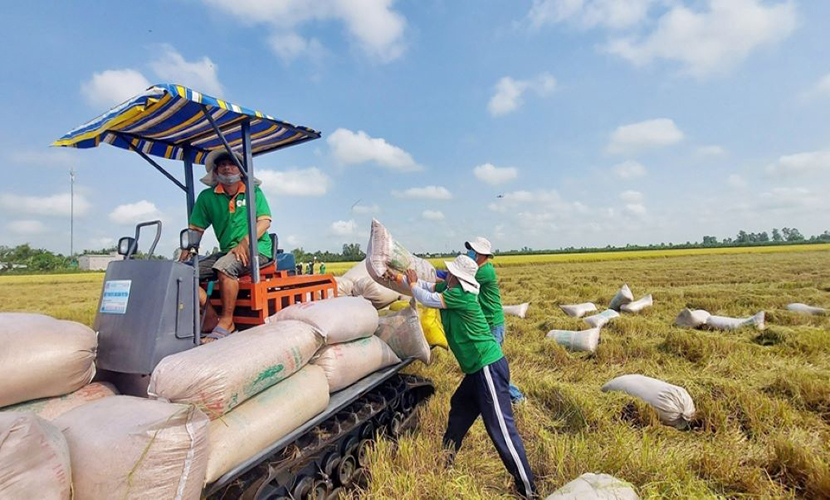
Vietnamese rice harvesting
Looking ahead, Mr. Sơn emphasized that government-to-government and other centralized rice export contracts are typically high-value agreements. They also have a direct impact on Vietnam’s international reputation.
Selecting lead exporters with strong credibility will therefore help maintain and strengthen the global standing of Vietnamese rice. It will also bring the country’s exporter selection process more closely in line with international practices.
The new mechanism is likely to encourage businesses to shift their focus away from competing primarily on price. Instead, they will compete through operational capacity, product quality, and long-term credibility. Over the longer term, Vietnam’s rice industry needs to increase the share of fragrant rice and other premium-quality varieties. It should also make full use of its strength as a reliable supplier of Vietnamese-origin rice exports.
Building a professional and reputable community of Vietnamese rice exporters will provide a solid foundation for sustainable growth. Only by strengthening every link in the value chain can Vietnamese rice maintain its competitiveness in the global market.
Vietnamese source: https://thuonghieusanpham.vn/giu-vung-vi-the-gao-viet-trong-cuoc-dua-xuat-khau
If you are interested in Vietnamese-origin rice, please contact us:
Company: Agrideco Vietnam Co., Ltd.
Address: No 02, Alley 325 Kim Nguu, Vinh Tuy Ward, Hanoi, Vietnam
Tel/Kakao Talk/Whatsapp: +84 989 649 804
Website: https://agridecovietnam.com
Email: agridecovietnam@gmail.com