
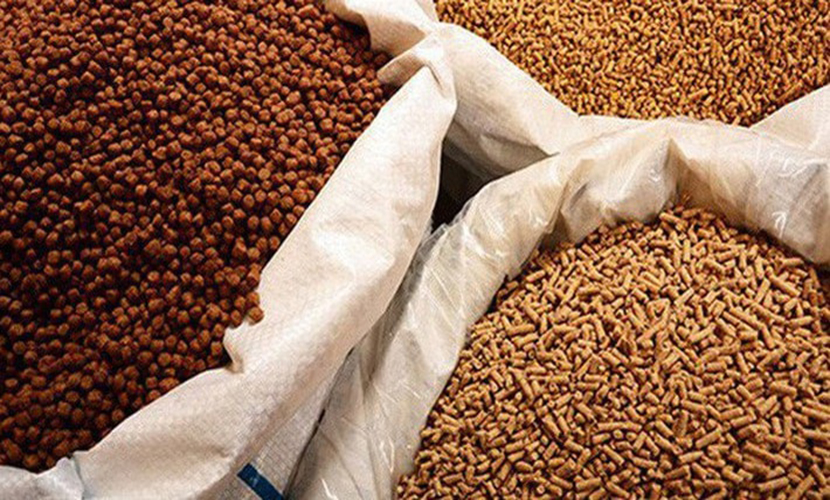
Exports of Vietnam’s animal feed reached nearly 254 million USD in just the first two months of 2026. The demand from China and Southeast Asian markets are the main driver for this growth.
Vietnam’s agricultural export landscape has long dominated by familiar names such as rice, coffee, and durian. However, a group of products once considered “by-products” has unexpectedly emerged as a bright spot in early 2026. This is animal feed and feed ingredients, which is a less noticed sector that is quietly generating significant value.
According to preliminary data from customs authorities, in just the first two months of 2026, exports of Vietnam’s animal feed reached nearly 254 million USD. This figure not only reflects a significant scale but also indicates strong growth compared to the same period last year.
Although there was a decline in February compared to January, this adjustment is commonly clear due to shipment cycles and post-Lunar New Year demand. Overall, the trend for animal feed exports remains positive over the year. This suggests that market demand is genuinely expanding rather than reflecting short-term fluctuations.
In terms of export markets, China continues to play a dominant role. In the first two months of 2026, Vietnam’s animal feed exports to this market reached more than 119 million USD. This accounts for 47% of the industry’s total export value.
Exports of Vietnam’s animal feed
Notably, growth of exports of Vietnam’s animal feed compared to the same period last year reached nearly 100%. This shows that China’s import demand is rising very rapidly. Even in February, despite a month-on-month decline, export value remained significantly higher than in February 2025.
This growth is not coincidental. After a period of disruption due to disease outbreaks and restructuring in the livestock sector, China’s market is entering a recovery cycle. The rebound in pig and poultry populations has driven strong demand for feed. It has also increased demand for stable supply sources from neighboring countries.
In addition to China, other regional markets such as Cambodia and Malaysia also recorded positive growth. Cambodia reached more than 35 million USD in the two-month period, up over 58%, while Malaysia reached nearly 19 million USD.
This reflects a broader trend in Southeast Asia. The livestock industry is recovering after a difficult period, leading to a sharp increase in demand for imported feed ingredients.
One of the most notable aspects of this product group is its nature. Exports of Vietnam’s animal feed are largely produced from agricultural by-products such as rice bran, soybean residue, corn processing by-products, and other food-processing residues.
For many years, this was not a priority export category due to its low added value and dependence on raw material supply. However, the market context is changing rapidly.
The development of industrial livestock farming, especially in China, has caused demand for feed ingredients to surge. When livestock scale becomes large, the key factor is no longer self-production. It becomes ensuring stable supply, reasonable prices, and efficient logistics.
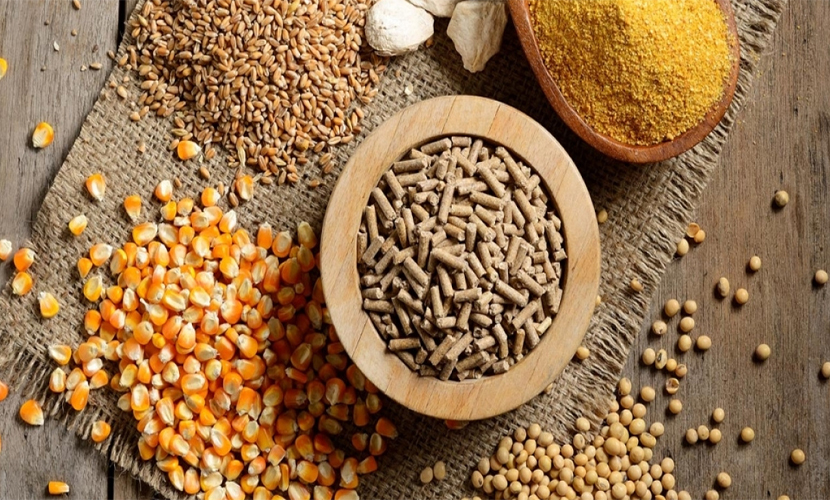
Animal feed ingredients
Vietnam, with its geographic advantage of proximity to China, low transportation costs, and abundant raw materials from its agricultural sector, has quickly taken advantage of this opportunity. In addition to exporting raw materials, many Vietnamese enterprises are also engaging in processing and blending to increase product value.
This trend reflects an important shift. Instead of focusing only on primary agricultural exports, Vietnam is gradually unlocking value from the “by-products” within its production chain. In the long term, experts believe that animal feed exports still have significant growth potential, driven by three main factors.
First, demand for livestock production in China and Southeast Asia is likely to continue rising. This is especially as meat consumption and livestock markets recover after the pandemic.
Second, the trend toward specialization in agricultural production is pushing many countries to import raw materials instead of producing them domestically. This creates opportunities for exporters like Vietnam.
Third, advancements in processing technology are increasing the value of by-products. This turns what was once considered secondary material into high-value commercial goods.
However, the industry still faces several challenges. These include raw material price volatility, stricter quality control requirements, and competition from other countries in the region.
Nevertheless, with the current growth momentum, the animal feed and feed ingredients sector is gradually establishing itself as one of the new pillars of Vietnam’s agricultural exports. It is increasingly seen as a “gold mine” extracted from what was once considered mere by-products.
If you are interested in Vietnamese animal feed, please contact us:
Company: Agrideco Vietnam Co., Ltd.
Address: No 02, Alley 325 Kim Nguu, Vinh Tuy Ward, Hanoi, Vietnam
Tel/Kakao Talk/Whatsapp: +84 989 649 804
Website: https://agridecovietnam.com
Email: agridecovietnam@gmail.com